Fabric tensile strength test method for grab and strip testing
This article explains how fabric tensile strength testing is commonly performed, when to use grab or strip methods, and how to interpret results without overstating them.

This article explains how fabric tensile strength testing is commonly performed, when to use grab or strip methods, and how to interpret results without overstating them.
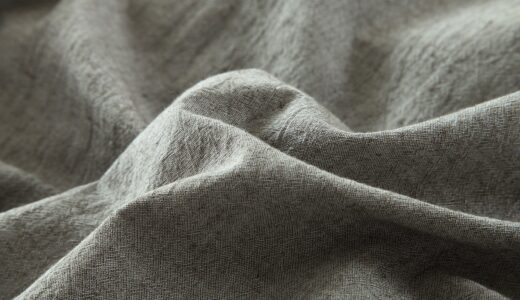
170gsm cotton fabric is a light-to-medium cotton weight, but GSM alone does not define quality, opacity, shrinkage, or comfort. This guide explains how to evaluate it through practical testing and sourcing checks.
Use this cotton GSM chart to compare common cotton fabric weights, end uses, oz/yd² conversion, and practical testing limits. The guide also explains why GSM should be read with weave, yarn, finishing, shrinkage, and…
ISO standards give textile buyers, mills and laboratories a shared way to specify test methods, quality systems and care information. This guide explains which standards are commonly used and how to select the right…

GSM tells buyers, designers, and testers how much one square meter of fabric weighs. This guide explains the meaning, calculation, limits, and sourcing use of fabric GSM.

A practical guide to denim weight gsm, oz-to-gsm conversion, fabric testing, and sourcing specifications for jeans, jackets, shirts, and workwear.

Martindale double rubs is a common search phrase, but it combines two different abrasion-rating systems. This guide explains Martindale cycles, Wyzenbeek double rubs, ACT guideline thresholds, and the limits of using rub counts as…

A hands-on guide to denim weight GSM, oz/yd² conversion, lab testing, and fabric choice for jeans, jackets, workwear, and export sourcing.

A practical guide to choosing and using a pilling tester for fabric quality control, export reports, and buyer-ready textile testing.
A plain guide to textile flammability testing for apparel buyers, fabric mills, and sourcing teams that need safer goods and cleaner export files.