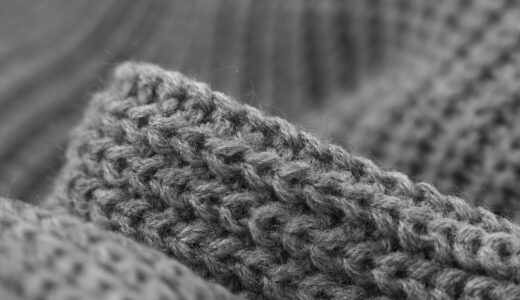
What Is the Real Fabric GSM Meaning for Textile Buyers?

What Does Fabric GSM Mean?
The plain fabric gsm meaning is grams per square meter. It shows how much one square meter of fabric weighs. If you buy T-shirts, hoodies, sheets, curtains, upholstery, or technical cloth, GSM gives you a quick base for comparing samples. It is also one of the early checks in professional fabric testing guidance, because a small weight change may mean a change in yarn, knitting, finishing, or coating.
A Square-Meter Weight, Not a Quality Grade
GSM is mass per unit area. A 180 GSM fabric weighs 180 grams for each square meter. The idea is simple, and buyers should keep it that way. Problems start when GSM is used as a quality score. It is not. A 220 GSM cotton jersey may feel soft and stable, while another 220 GSM jersey may feel stiff or grow after washing. Fiber, yarn count, twist, construction, dyeing, and finishing all affect what sits behind the number.

The Quick Formula Buyers Actually Use
The basic formula is easy: sample weight in grams divided by sample area in square meters. If a swatch is 0.01 square meter and weighs 2.4 grams, the fabric is 240 GSM. For U.S. buyers, fabric weight may also be shown as ounces per square yard. The conversion is close to 1 oz/yd² = 33.906 GSM, so a 6 oz/yd² fabric is about 203 GSM.
Why GSM Appears on Test Reports
GSM is shown on lab reports because it is easy to compare across different widths and rolls. A fabric sold in 150 cm width and the same fabric sold in 180 cm width can still follow one GSM target. This makes buying discussions more direct. It also helps your team find bulk goods that look similar on screen but contain less material than the approved sample.
How Is Fabric GSM Tested in Real Production?
A dependable GSM result needs more than one random square cut from a roll corner. The test sample should stand for the roll, and the lab should state the method, sample area, and whether the result came from a full piece, full-width sample, small swatch, or narrow fabric.
Standard Methods from ASTM and ISO
ASTM International describes D3776/D3776M as a standard test method for fabric mass per unit area. Its public scope says it applies to most fabrics and includes options for a full piece, full-width sample, small swatch, and narrow fabrics. ISO 3801:1977, confirmed in 2023 by ISO, covers woven fabrics and the determination of mass per unit length and mass per unit area. These standards matter because they turn a buyer’s request into a test that a lab can repeat.
Sampling That Matches the Roll
One small swatch can help, but it may not represent the whole lot. Edges, selvages, roll ends, and shaded areas can act differently. If you are approving bulk fabric and the order risk is high, ask for samples from different roll positions. For printed, coated, brushed, or washed goods, test more than one place. This extra step is small, but it can prevent a difficult shipment discussion later.
Conditioning Before the Scale
Textiles can take in or lose moisture before testing, especially cotton, viscose, wool, and blends with absorbent fibers. That is why proper labs condition samples before weighing, based on the test method or lab procedure. If the same fabric is tested right after steaming in one place and after dry storage in another, the results may not match. The difference may come from moisture, not from real fabric weight.
How Does GSM Affect Hand Feel, Thickness, and Drape?
GSM is linked to how heavy a fabric feels in the hand, but it does not explain everything. Use it first to sort fabrics, then check touch, stretch, recovery, shrinkage, pilling, and abrasion before making a buying decision.
Light Fabrics for Airy Products
Light fabrics often sit below 150 GSM, though the range changes by product type. Common examples are voile, lightweight lining, summer shirting, thin sports mesh, and scarf fabric. They pack small, dry fast, and drape with little resistance. The trade-off is that they may be more see-through, need careful sewing, or feel too light when the product needs more body.
Medium Fabrics for Daily Wear
Many everyday apparel fabrics sit in a middle range, roughly 150 to 280 GSM. This is where buyers often see T-shirt jersey, polo pique, casual woven shirting, bedsheet fabric, and lighter sweatshirting. For buying work, this range is useful because it balances cost, opacity, comfort, and shipping weight. A trained hand can often notice a 10 or 15 GSM change in this range.
Heavy Fabrics for Structure
Higher GSM fabrics can give more body, warmth, and shape. Denim, canvas, upholstery fabric, heavy fleece, and winter coating fabrics can all sit in this area. Still, heavy does not always mean better. A dense fabric may be too stiff for a child’s hoodie or too warm for a hotel sheet sold in a tropical market. The product use decides the right number.
Is Higher GSM Always Better?
No. Higher GSM can mean more material, but fabric quality depends on the job the fabric must do. If a buyer only asks for a bigger GSM number, the result may be a bulky and costly fabric that customers do not enjoy wearing.
Fiber Type Changes the Result
A 180 GSM polyester knit may dry faster than a 180 GSM cotton knit. A wool fabric at the same GSM may feel warmer because of fiber crimp and trapped air. Linen can feel crisp at a moderate weight. Rayon can feel fluid and heavy in the hand. The GSM is the same, but the wearing experience is not. This is normal in textile sourcing.
Construction Changes Performance
Woven, knitted, nonwoven, terry, fleece, jacquard, and coated fabrics cannot be judged by GSM alone. A tight plain weave and a loose slub weave may have the same weight, but their tear strength and seam slippage can be very different. A brushed fleece may feel thicker than its GSM suggests because the raised surface holds air. Fabric is a bit like coffee roast: the number helps, but it does not tell the full taste.
End Use Sets the Right Range
A 300 GSM hoodie fabric may sound strong, but it can be too heavy for budget e-commerce shipping. A 120 GSM woven shirt may feel cool in summer, but it may need a darker color or tighter construction to reduce show-through. The right GSM is the one that fits comfort, cost, sewing, performance, and your target retail price. The order brief should come before the number. See also: Applications.
How Should You Set a GSM Requirement for Bulk Orders?
A good specification starts with the approved sample, not with a number copied from another seller’s listing. Once the reference fabric is accepted, the GSM target should be written clearly in the purchase order, tech pack, or testing requirement.
Start from the Reference Sample
Test the approved sample first. If the buyer accepts the hand feel, drape, opacity, and sewing behavior, that fabric becomes the benchmark. Suppose the approved jersey tests at 195 GSM. If the order is later changed to 180 GSM just to cut cost, the garment may change more than expected. It can affect neckline shape, print hand, shrinkage behavior, and how the product hangs on the body.
Add a Clear Tolerance
There is no single public global tolerance that fits every fabric. Many commercial orders use an agreed range instead of one fixed number. For example, a buyer may specify 195 GSM with an agreed tolerance after discussing yarn, construction, and finishing stability. The main point is to write the rule before production starts, not after the fabric arrives.
Check After Finishing and Washing
GSM can change after dyeing, compacting, brushing, coating, washing, or heat setting. Knits can become heavier per square meter after shrinkage because the same yarn mass sits in a smaller area. For garments that will be washed at home, check GSM together with shrinkage and appearance. This gives a more real view of what the customer receives after the first few washes.
How Can GSM Help You Control Cost and Sustainability Claims?
GSM is not just a lab number. It affects fabric consumption, freight, packaging, warehouse weight, and material impact. When production volume grows, even a small GSM change can become a large material change.
Fabric Consumption in Garment Costing
If a garment uses 0.8 square meter of fabric, moving from 180 GSM to 200 GSM adds 16 grams of fabric per piece before cutting loss. For 50,000 pieces, that is about 800 kilograms of extra fabric. The calculation is only a working estimate, because markers and waste rates are different by factory and style. Still, it shows why merchandisers watch GSM closely. More weight often means more fiber, more dyeing load, and higher freight cost.
Global Material Data as Context
Textile Exchange reported in its Materials Market Report 2025, published September 18, 2025, that global fiber production rose from about 125 million tonnes in 2023 to about 132 million tonnes in 2024. The same report said polyester made up 59% of total global fiber output, and less than 1% of the global fiber market came from pre- and post-consumer recycled textiles. For buyers, the message is straightforward: fabric weight is not a tiny detail. Across many orders, it changes how much material the supply chain needs.
A Practical Buyer Checklist
Before you confirm bulk fabric, use GSM together with other checks instead of using it alone. Keep the checking points in writing, because it is much easier to solve a claim when both sides know the agreed standard.
- Confirm the GSM target and tolerance in writing.
- Ask which test method or lab procedure will be used.
- Compare GSM with width, shrinkage, color fastness, pilling, and strength tests.
- Test the approved sample and bulk fabric under similar conditions.
- Keep one sealed reference sample for dispute handling.
FAQ
Q1: What Is GSM in Fabric? A: GSM means grams per square meter. It tells you how much one square meter of fabric weighs, no matter the fabric width.
Q2: Does Higher GSM Mean Better Fabric? A: Not always. Higher GSM usually means heavier fabric, but quality also depends on fiber, yarn, construction, finishing, and the intended product.
Q3: What GSM Is Good for T-Shirts? A: Many T-shirts use medium-weight jersey, often around 150 to 220 GSM, but the best range depends on season, fit, fiber, opacity, and target price.
Q4: How Do You Calculate GSM from a Swatch? A: Divide the swatch weight in grams by the swatch area in square meters. A 2.4 gram swatch with an area of 0.01 square meter equals 240 GSM.
Q5: Can GSM Replace Other Fabric Tests? A: No. GSM is useful, but it should be checked with shrinkage, color fastness, pilling, tensile or tear strength, and appearance after washing.