How to specify white ripstop nylon fabric for bags, apparel and shelters
What white ripstop nylon fabric means
White ripstop nylon fabric is a woven nylon textile reinforced with stronger yarns at regular intervals. Those yarns create the familiar square or diamond grid and help limit tear growth after a small cut or puncture starts. For buyers, the key point is that ripstop is a construction, not a full performance guarantee. A lightweight white ripstop may be soft, breathable and somewhat translucent. A heavier coated version may be stiffer, more opaque and more water resistant. Final performance depends on denier, fabric weight, grid spacing, yarn type, coating, finishing and verified test results.
In a purchasing specification, white ripstop nylon fabric should be defined by the end use first, then by measurable targets such as tear strength, hydrostatic resistance, air permeability, shade control and coating durability.
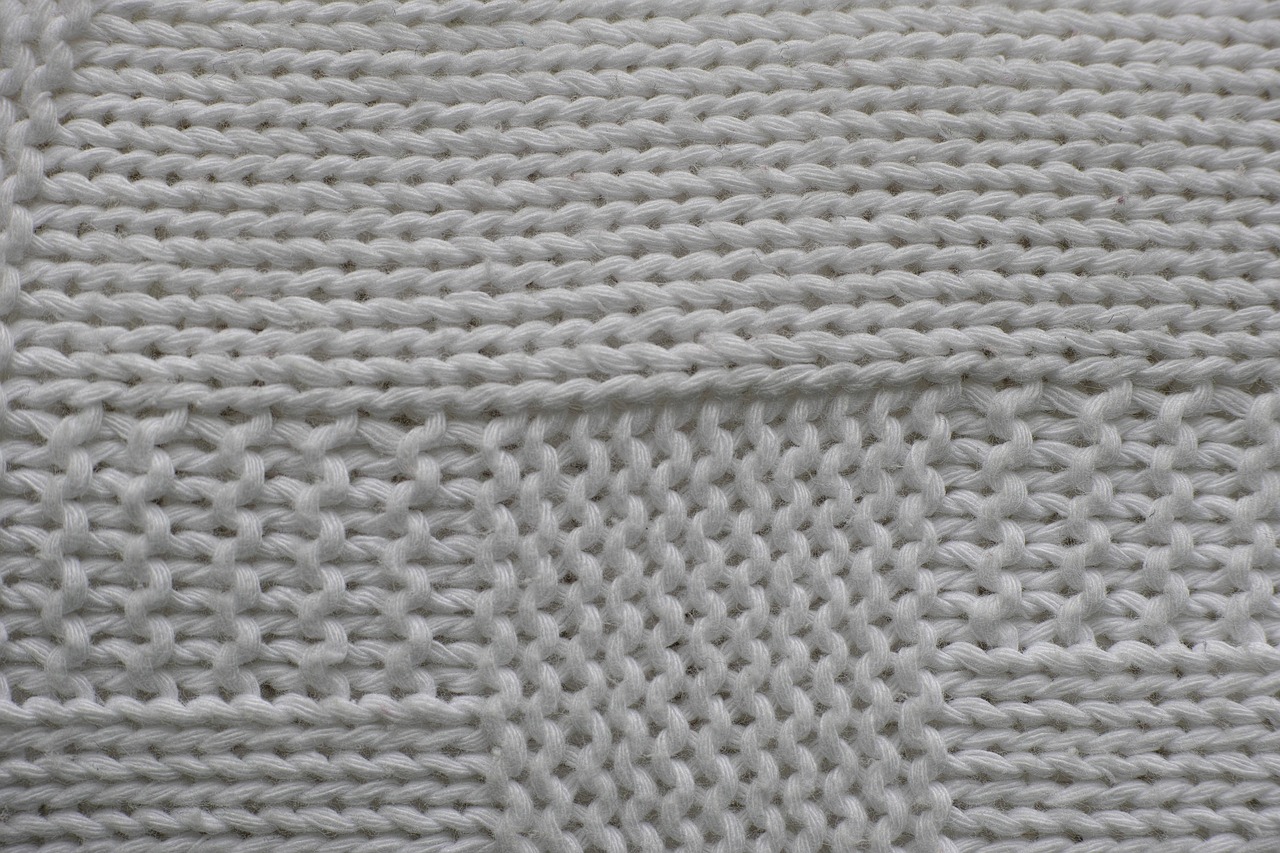
Ripstop sits within the wider family of technical woven constructions. The base cloth is commonly a plain weave, with reinforcement yarns inserted in the warp, weft or both directions. When damage begins, the thicker reinforcement yarns can slow the tear and localize it more effectively than a uniform lightweight weave. For more background on woven structures, see the weaves section.
Nylon is used because it offers a practical balance of strength, abrasion resistance, flexibility and low mass. Textile references commonly describe polyamide nylon as a durable synthetic fiber for activewear, bags and performance garments. Textile Exchange’s 2025 Materials Market Report also shows why nylon remains relevant in industrial supply chains: it estimated global polyamide fiber production at around 7 million tonnes in 2024, representing about 5% of global fiber production. That scale does not make every nylon fabric sustainable or suitable, but it does explain why the market offers many yarn, weight and finish options.
Why the white color matters in technical specification
White looks simple on a swatch, but it affects sourcing, finishing and inspection. First, white ripstop usually shows contamination, oil marks, coating streaks and handling defects more clearly than black or dark navy fabric. Quality inspection should therefore include surface cleanliness, shade consistency and roll-to-roll matching, not only mechanical values.
Second, opacity can become a major issue. A 20D or 30D white ripstop may look crisp in sample form but turn visibly translucent in a finished garment, pouch or shelter panel. If coverage matters, buyers should evaluate the fabric over contrasting backgrounds and under lighting conditions close to the final use. Higher denier yarns, denser construction, pigmented coatings or backing layers can improve opacity, although they may also add weight and reduce softness.
Third, finishing can shift the appearance of white nylon. Calendaring can increase smoothness and sheen. Polyurethane, acrylic or TPU coatings can create a warmer or slightly grey cast. Silicone finishes may change hand feel and surface reflectance. Optical brighteners can improve initial whiteness, but buyers should confirm whether they are acceptable for the application and whether shade stability after heat, storage or washing is required.
Key specifications buyers should compare
A reliable fabric brief should turn visual preference into measurable requirements. The table below summarizes common specification fields and why each one matters.
| Specification | Why it matters | What to request |
|---|---|---|
| Fiber and yarn | Nylon 6, nylon 6,6 and recycled nylon options can differ in strength, dyeing behavior, availability and claim verification. | Fiber type, filament type, recycled claim documents if applicable and any restricted substance statement. |
| Denier | Denier gives a quick indication of yarn size, but it does not predict full fabric performance by itself. | Base yarn denier and reinforcement yarn denier in warp and weft. |
| Fabric weight | Weight affects packability, drape, durability, cost and shipping efficiency. | GSM or oz per square yard, plus allowed tolerance. |
| Ripstop grid | Grid size affects appearance, tear behavior and product aesthetics. | Grid spacing, grid shape and whether reinforcement yarns run in one or both directions. |
| Coating or finish | DWR, PU, TPU, acrylic, silicone and calendaring create different balances of water resistance, feel, breathability and seam behavior. | Finish type, coating side, coating weight if available and target performance after aging or laundering. |
| Tear and tensile values | Ripstop is selected to resist tear propagation, so the claim should be supported by test data. | Warp and weft test results with the test method named. |
| Water performance | Water repellency and waterproofness are different properties. | Spray rating, hydrostatic pressure result or both, depending on use. |
| Air permeability | Wind shells, kites, filters and shelters may require very different airflow levels. | Air permeability result and test pressure used by the lab. |
| Color and appearance | White fabrics need closer control of shade, stains, yellowing and coating streaks. | Approved lab dip, roll shade tolerance and inspection criteria. |
Coating and finishing choices
Many misunderstandings about white ripstop nylon fabric come from treating the base fabric and the finish as the same thing. An uncoated ripstop nylon may shed a light mist for a short time if the weave is tight or if a repellent finish is present, but it should not be described as waterproof without hydrostatic pressure data. A water-repellent finish encourages droplets to bead on the surface. A coating or membrane is generally needed when the fabric must resist sustained water pressure.
DWR finishes are often used on apparel shells, pack fabrics and outer layers. AATCC TM22 is a common spray test for judging resistance to surface wetting, but a spray rating is not the same as a hydrostatic pressure result. This distinction matters for rainwear, tent flies, tarps and covers, where water can press against seams and fabric for longer periods.
PU and TPU coatings can improve water resistance and provide a surface that is easier to seam tape or seal in many constructions. They may also add body, reduce air permeability and change the whiteness of the fabric. Silicone coatings are common in lightweight outdoor textiles because they can offer a supple hand and strong water-shedding behavior, but they require compatible bonding and seam-sealing methods. Acrylic and other specialty finishes may be selected for hand feel, stability, printability or cost reasons.
Calendaring is different from coating. It uses heat and pressure to flatten the fabric surface, reduce porosity and increase sheen. On white fabric, calendaring can make the surface look cleaner and smoother, but it may also make creasing or pressure marks more visible. If a buyer needs a matte white appearance, that requirement should be stated clearly.
Common applications and suitable fabric profiles
White ripstop nylon is used in both visible outer layers and hidden structural components. In apparel, lighter ripstop constructions are often considered for wind shells, lightweight jackets, sun-protective overshirts, linings and pocketing. These products usually need low mass, soft hand, acceptable opacity and controlled air permeability. If rain protection is expected, the specification must include water-resistance testing rather than relying on the word ripstop.
For bags and accessories, medium weights are common because abrasion, seam strength and puncture resistance become more important. White ripstop can be used for organizer pouches, travel cubes, pack liners, logo panels and technical trims. The challenge is keeping a clean white appearance while maintaining durability through handling, folding and repeated contact with hardware.
For shelters, covers and outdoor equipment, coating becomes more central. A tent fly, tarp or lightweight cover may require hydrostatic pressure data, dimensional stability, UV exposure considerations and seam compatibility. White or near-white panels can help reflect light and improve interior brightness, but they can also show dirt and may transmit more light than darker fabrics. See also: Applications.
For industrial or promotional uses, white ripstop may be chosen as a printable ground. In that case, coating chemistry, surface energy, ink compatibility and heat exposure become part of the specification. A fabric that performs well in sewing may not be suitable for printing, bonding or lamination.
Testing and quality checks that reduce sourcing risk
Testing should be selected according to product risk. ASTM D2261 is widely used to measure tearing strength of fabrics by the tongue, or single-rip, procedure using a constant-rate-of-extension tensile testing machine. For coated fabrics, ASTM D751 groups several relevant methods, including breaking strength, bursting, puncture, tearing, hydrostatic resistance, coating adhesion and seam strength. These standards help buyers compare results when the same method and conditions are used.
For water performance, AATCC TM22 is a practical screening method for water repellency by spray. AATCC TM127 and ISO 811 address resistance to water penetration under hydrostatic pressure. ASTM D737 is used for air permeability and is especially relevant when breathability, wind resistance or coating consistency affects the final product. Method names matter because two suppliers may use the same marketing term while testing different properties.
Quality control should also include straightforward visual and handling checks. Inspect grid alignment, reinforcement yarn visibility, coating uniformity, stains, pinholes, creases, skew, bow and edge condition. Compare the first bulk roll against the approved strike-off or lab dip. For white goods, use a neutral grey or black backing during inspection so opacity and coating streaks are easier to see.
Buyers should be cautious with incomplete claims such as waterproof ripstop, heavy-duty ripstop or recycled nylon ripstop unless the supplier provides supporting details. Waterproof should be tied to a hydrostatic value. Heavy-duty should be supported by fabric weight, tear, tensile and abrasion or puncture data. Recycled content should identify the certification or traceability system used, because Textile Exchange data shows that recycled polyamide remains a small part of the broader nylon market.
How to choose the right version for a project
The simplest approach is to work backward from the product. A travel pouch needs a different white ripstop than a wind shirt, and a wind shirt needs a different fabric than a shelter fly. Start by defining the most important failure mode. Is the main risk tearing, abrasion, water leakage, see-through appearance, yellowing, coating peel, seam leakage or excessive stiffness?
- For lightweight apparel, prioritize hand feel, low weight, opacity, air permeability and tear strength in both directions.
- For bags and pouches, prioritize tear strength, abrasion behavior, seam strength, coating durability and surface cleanability.
- For shelters and covers, prioritize hydrostatic pressure, coating uniformity, seam sealing compatibility, dimensional stability and tear strength after aging.
- For printable or laminated uses, prioritize surface finish, coating chemistry, heat tolerance and adhesion compatibility.
Do not rely on denier alone. A 70D fabric with a dense weave and effective reinforcement can outperform a heavier but loosely constructed material in some tear scenarios, while a heavier fabric may still be more appropriate where abrasion or puncture is the main risk. A sound specification combines yarn size, construction, finish and verified test data.
Frequently asked questions
Is white ripstop nylon fabric waterproof?
Not automatically. Ripstop describes the reinforced woven structure. Waterproofness depends on coating, membrane, seam construction and hydrostatic pressure performance. If water protection is required, ask for hydrostatic testing such as AATCC TM127 or ISO 811 and confirm how seams will be sealed.
Does the ripstop grid make nylon impossible to tear?
No. The grid helps slow or localize tear growth, but any fabric can fail if the force is high enough or if the fabric is cut, abraded, aged or poorly sewn. Tear strength should be verified in both warp and weft directions.
Why does white ripstop look transparent in some products?
Low-denier nylon yarns and lightweight constructions can transmit light, especially in white. Opacity can be improved by increasing yarn size, weave density or coating coverage, but those changes may add weight or stiffness.
Is recycled nylon available for white ripstop fabric?
Yes, recycled nylon options exist, but availability depends on yarn type, denier, finish and certification needs. Because recycled polyamide remains a relatively small share of the nylon market, buyers should confirm lead time, shade consistency and claim documentation before committing to bulk production.
What is the most important test for ripstop nylon?
There is no single test for every application. Tear strength is central for ripstop claims, but coated outdoor uses may also need hydrostatic pressure, coating adhesion, seam strength and air permeability. The right test package should match the final product risk.