Is Plain Weave Carbon Fiber the Best Choice for Stable Composite Parts?
Why Does Plain Weave Carbon Fiber Still Matter for Composite Buyers?
When you buy plain weave carbon fiber, you are looking for a fabric that keeps its shape, cuts without much trouble, and gives stable 0 and 90 degree reinforcement. If you are checking carbon fiber weave options for panels, tubes, covers, or repair work, plain weave is a common starting point because it is easy to control on the table and in the mold.
The Simple Over Under Architecture
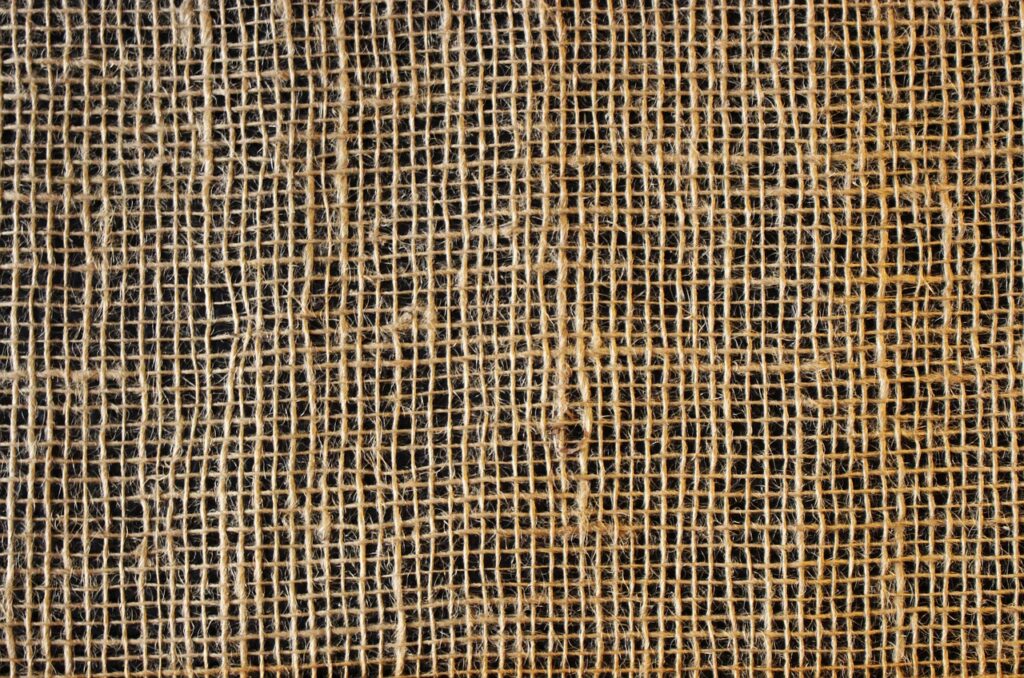
Plain weave uses a basic over one, under one interlacing pattern. This creates many contact points between warp and weft yarns, so the fabric is less likely to slide or skew during handling. In daily production, that helps a technician move a dry ply from the cutting table to the mold with fewer problems. It sounds like a small point, but it matters when one roll is 100 meters long.
Balanced 0 and 90 Degree Support
Most plain weave carbon fabrics are balanced, so the warp and weft directions carry load in a more even way than a fabric made mainly for one direction. This is one reason buyers use it for parts where the load path is not in one single direction. NASA composite literature notes that woven composite properties depend on weave architecture, tow size, and the distribution of geometric flaws, so the weave is more than a surface pattern. It changes how the laminate behaves after cure. (ntrs.nasa.gov)
A Clean Choice for Repeat Orders
For export buyers, repeatability is as important as one good sample. Plain weave makes yarn alignment, roll appearance, width, and areal weight easier to check during incoming inspection. If you need stable quality across several batches, this weave keeps the technical discussion clear. It also helps both buyer and supplier spot problems before cutting starts.
How Does Plain Weave Carbon Fiber Perform Compared with Twill or Satin?
Plain weave, twill, and satin can all be made from high quality carbon fiber. The main difference is how the tow runs through the fabric. Buyers should not choose only by the look of the surface. Part shape, layup method, resin system, and inspection rules all affect the final choice.
Higher Fabric Stability
Plain weave usually gives better dimensional stability because the yarns interlace more often. This helps when you cut narrow strips, stack plies, or place fabric into a flat mold. It also reduces edge movement during hand layup, vacuum bagging, and prepreg kitting. For flat parts, that can save time on trimming and correction work.
Lower Drape on Deep Curves
The same tight interlacing that gives stability also makes the fabric less easy to drape. A 2×2 twill or satin fabric normally fits better over compound curves, vents, corners, and styling parts. An MDPI study on carbon fiber architectures reported that plain, twill, satin, and non crimp fabrics show different drapability behavior, with fabric symmetry and locking angle affecting defects such as fiber misalignment and gaps. (mdpi.com)
Clear Trade Offs in Crimp
Plain weave has more crimp because each tow rises and dips more often. More crimp can make fiber strength transfer less direct inside the laminate. That does not mean plain weave is a weak fabric. It means a flat structural beam, a cosmetic cover, and a sharp corner fairing may need different weave choices.
Which Specifications Should You Check Before Buying Plain Weave Carbon Fiber?
A useful inquiry should say more than “3K plain carbon.” That wording is common, but it leaves too many details open. You need fabric weight, tow count, fiber grade, width, roll length, resin compatibility, and inspection standard if the part has real performance requirements.
Areal Weight and Tow Size
Areal weight, often written as gsm, tells you how much fiber is in one square meter of fabric. Hexcel lists woven carbon reinforcements in a broad range from 98 to 670 gsm and notes that smaller tow sizes such as 3K or 6K may be used for weaving. This range explains why two “plain weave carbon” rolls can feel quite different in hand. It also affects thickness build, resin demand, and cutting behavior. (help.hexcel.com)
Fiber Grade and Real Material Data
The carbon fiber grade sets the base material performance before the laminate is made. For example, Toray Composite Materials America’s TORAYCA T300 data sheet lists tensile strength of 3,530 MPa, tensile modulus of 230 GPa, density of 1.76 g/cm³, and 7 μm filament diameter. These are fiber values, not final laminate values. Resin, cure, void content, and fiber volume will change the part result. (toraycma.com)
Width, Roll Length, and Finish
Width affects cutting yield, and roll length affects batch planning. Surface finish also matters because some buyers need dry fabric for wet layup, while others need compatibility with epoxy, vinyl ester, or a prepreg route. Ask whether the fabric has a sizing that suits your resin. If the supplier cannot confirm it, run a small trial before approving the order.
Where Does Plain Weave Carbon Fiber Work Best in Real Production?
Plain weave is not the right answer for every part. It works well when a part needs steady handling, balanced fiber direction, and a clean surface. If the mold has sharp curves, twill may reduce labor. If the part is mostly flat, plain weave is easier to control.
Flat Panels and Sandwich Skins
Flat carbon sheets, honeycomb skins, foam sandwich panels, and machine covers often match plain weave well. The fabric stays square, so the laminate looks neat and trims cleanly. For a panel shop making repeated sizes, this can reduce scrap and rework. It also makes ply alignment easier for the operator to check during layup.
Tubes, Covers, and Small Structural Parts
Plain weave is also used in tubes, guards, drone plates, instrument covers, brackets, and reinforcement patches. On simple curves, it can wrap well enough without the pattern moving too much. The visual grid also makes fiber angle easier to check by eye. This is helpful when the part has both appearance and basic strength requirements.
Tooling, Repair, and Visual Layers
Repair teams often prefer stable fabrics because small patches must stay aligned while resin is applied. Plain weave can also work as a visible outer ply when the buyer wants a tighter checkerboard appearance instead of the diagonal look of twill. One shop-floor note is worth keeping: good lighting can show skew faster than a ruler in many cases. That is why inspection should start before resin touches the fabric. See also: Applications.
How Should You Process Plain Weave Carbon Fiber for Better Results?
Good material can still give poor results if handling is careless. Carbon fabric is strong along the fiber direction, but dry woven cloth can fray, move, or trap air when the work is rushed. A steady process keeps the plain weave benefit in place.
Careful Cutting and Kitting
Use sharp tools, clean tables, and clear marks for fiber direction. For repeat kits, label 0 and 90 degree directions in a way the operator can see during layup. Keep the fabric supported when moving it from one station to another. Even stable plain weave can stretch on the bias if someone pulls it from one corner.
Resin Wet Out and Vacuum Control
Plain weave has many interlacing points, so resin needs time to pass around the tow crossover areas. Too much resin adds weight, while too little resin leaves dry spots. For vacuum bagging, watch bridging at corners and use suitable release film and breather placement. Vacuum pressure cannot fix a ply that was placed badly at the start.
Testing, Inspection, and Buyer Notes
If mechanical properties matter, ask for test data based on recognized methods. ASTM D3039/D3039M covers tensile properties of polymer matrix composites, ASTM D3776 covers fabric mass per unit area, and ASTM D3171 covers constituent content such as fiber content in resin matrix composites. These standards help turn a sales claim into a measurable requirement. They also give both sides a common reference when a batch needs review. (store.astm.org)
What Should You Ask a Supplier Before Placing an Order?
A good supplier should answer working questions with clear documents and samples. The right buying decision is not always the highest modulus fiber or the lowest price. It is the fabric that fits your process and keeps quality steady through the full order.
Verified Data Sheets
Ask for a current data sheet with fiber type, tow size, gsm, thickness if available, width tolerance, roll length, weave style, and compatible resin systems. If a number cannot be checked through a supplier document or test report, treat it as a guide only, not a design value. This protects the buyer during design work and incoming inspection. It also reduces disputes after the fabric arrives.
Sample Trials before Bulk Buying
Before a full container order, test a sample in your real process. Check wet out, cutting, fray, drape, surface look, and cured laminate thickness. A 300 mm square coupon can show problems that a clean product photo will not show. If the part is critical, test more than one ply schedule before locking the order.
Packaging and Long Distance Shipping
Carbon fabric should be packed to prevent crushing, moisture, dust, and edge damage. For export shipments, ask about roll core strength, outer wrapping, labels, and pallet protection. This paperwork is not exciting, but it prevents trouble when the roll arrives after weeks at sea. A damaged roll can waste more money than the freight saving ever covered.
- Confirm fabric construction, not only the surface pattern.
- Match gsm and tow size to your mold shape and part thickness.
- Request test methods when strength, stiffness, or weight is specified.
- Run a sample trial before approving bulk production.
FAQ
Q1: Is Plain Weave Carbon Fiber Stronger than Twill? A: Not always. Plain weave is usually more stable, while twill often drapes better. Strength depends on fiber grade, resin, fiber volume, cure quality, ply schedule, and test direction.
Q2: Is 3K Plain Weave Carbon Fiber Good for Cosmetic Parts? A: Yes, 3K plain weave is widely used when you want a tight, clean checkerboard look. For deep curves, test the fabric first because twill may fit with less distortion.
Q3: What GSM Should You Choose for Plain Weave Carbon Fiber? A: Light fabrics suit thin skins and tight details. Heavier fabrics build thickness faster and may suit panels or structural layers. The right gsm depends on part thickness, resin flow, and layup plan.
Q4: Can Plain Weave Carbon Fiber Be Used with Epoxy Resin? A: Yes, many plain weave carbon fabrics work with epoxy systems, but the fiber sizing should be compatible. Always confirm this on the supplier data sheet or through a small resin trial.
Q5: What Is the Biggest Buying Mistake with Plain Weave Carbon Fiber? A: The biggest mistake is choosing only by appearance. Check gsm, tow size, fiber grade, width tolerance, resin fit, test data, and packaging before you approve a bulk order.