Is Ripstop Nylon the Best Choice for Outdoor Gear and Workwear?
If you buy ripstop nylon for bags, tents, workwear, or travel goods, you are usually dealing with three points at the same time: weight, tear resistance, and a price that still works for bulk production. Since this fabric sits inside the wider group of woven fabric structures, small details in construction can change how it feels, runs on the sewing line, packs, and holds up in daily use.
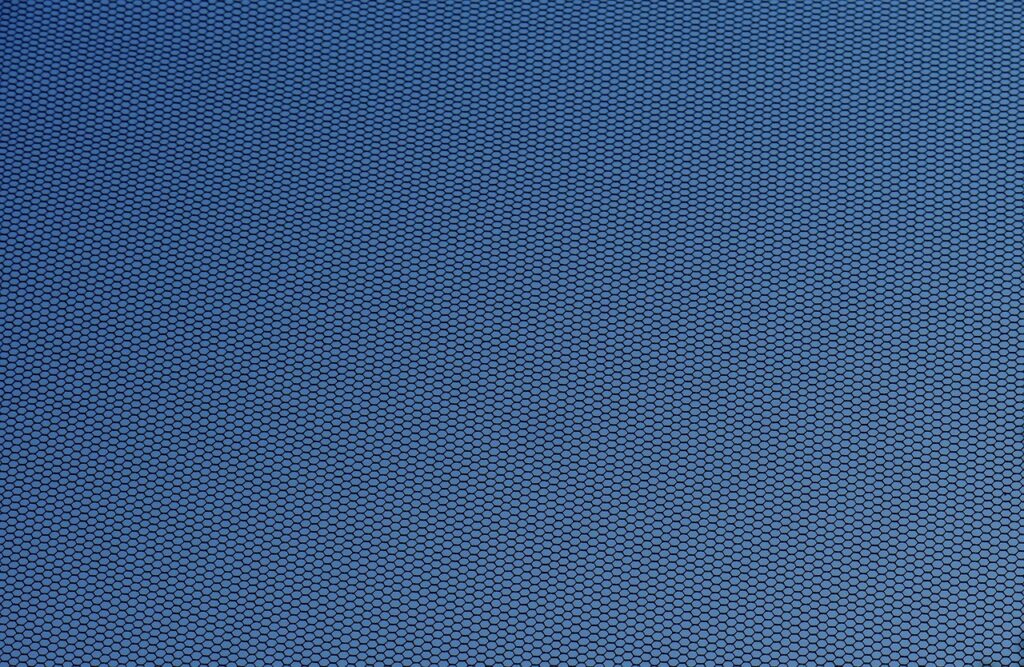
Ripstop is easy to recognize because of the small square grid in the cloth. The grid may look simple, but it has a clear job. It helps stop a small puncture from becoming a long tear. For buyers, designers, and product teams, the useful question is not only whether ripstop nylon is good. The real question is which ripstop nylon matches your product and your risk.
What Makes Ripstop Nylon Different From Plain Nylon?
Plain nylon fabric can be strong, but once a tear starts, the yarns may not slow it down enough. Ripstop changes the fabric structure. Stronger yarns are woven into the cloth at fixed intervals, so the visible grid supports the base fabric.
A Reinforced Grid That Slows Tear Growth
In ripstop construction, heavier or stronger yarns are placed in both warp and weft. When a thorn, zipper edge, tool, or metal corner cuts the surface, the grid spreads the stress into the nearby yarns.
The fabric can still tear if the force is too high, so it should not be treated as damage-proof. It simply gives the material a better chance to keep the damage in a smaller area, which is often what outdoor and utility products need.
Nylon Fiber Strength with a Practical Hand Feel
Nylon is used in technical textiles because it has good tensile strength, abrasion resistance, and flexibility. ScienceDirect’s nylon textile overview notes that nylon 6 and nylon 66 are used across apparel, ropes, carpets, tire cords, and technical textile applications.
In normal sourcing work, this means ripstop nylon can be tough without feeling like stiff industrial cloth. That balance is one reason brands use it in products that need strength but still need to fold, sew, or wear comfortably.
Weight Choices That Fit Real Products
You can find ripstop nylon in light jacket shells, midweight bag linings, luggage panels, and coated shelter fabrics. A 20D fabric may fit a packable windbreaker, while a 210D or 420D version may be better for bags or reinforced pockets.
The grid is only one part of the fabric. Denier, yarn type, weave density, and finishing decide whether the final material feels crisp, soft, slippery, or rough enough for hard use.
Which Specifications Should You Check Before Ordering Ripstop Nylon?
A spec sheet should do more than show a nice color and a fabric name. For ripstop nylon, ask for figures that connect with real product risk: tearing, seam stress, abrasion, water contact, and hand feel.
Denier, GSM, and Yarn Count
Denier tells you yarn thickness. GSM tells you fabric weight. Yarn count and density tell you how tight the cloth is. These numbers need to be read together, not one by one.
A low-GSM ripstop can work well in a down jacket but feel too weak in a tool pouch. A heavier denier can add strength, but it can also add bulk and make the fabric less easy to drape or pack.
- Use 20D to 40D for ultralight shells, linings, and packable gear.
- Use 70D to 210D for daypacks, covers, casual outdoor goods, and uniforms.
- Use 420D and above when abrasion, load, or rough handling matter more than pack size.
Tear Strength and Tensile Strength
ASTM D2261-13(2024) covers the tongue tear method for textile fabrics and states that the test is widely used for acceptance testing in commercial shipments. ISO 13934-1:2013 covers maximum force and elongation using the strip method.
These two tests answer different questions. Tear strength shows how a tear grows after it has started, while tensile strength shows how the fabric holds under pulling force. A good purchase order should name them clearly and not mix the two.
Coating, Calendering, and Surface Finish
Coating can change how the whole fabric works. PU coating may add water resistance and body. Silicone coating can improve tear performance in many outdoor fabrics, but it may make seam sealing and printing harder.
Calendering can make nylon more downproof by flattening the surface. AATCC TM22:2024 is a common spray test for water repellency and applies to textile fabrics with or without water-repellent finishes. If water behavior matters, ask for test data instead of judging from a waterproof-style product photo.
Where Does Ripstop Nylon Work Best?
Ripstop nylon works best where damage often starts small but can spread quickly. This includes products that rub against rocks, brush, vehicle trunks, warehouse shelves, belt clips, and rough hands. That is where the grid structure earns its place.
Outdoor Bags and Travel Accessories
Backpacks, packing cubes, duffel linings, shoe bags, rain covers, and stuff sacks often use ripstop nylon because it keeps weight down and adds useful tear control. These products are handled a lot, so small snags are common.
A sharp edge on a camping pot or rough contact around an airport conveyor area can start damage in the fabric. The ripstop grid helps limit that kind of daily wear before it turns into a bigger failure.
Tents, Tarps, and Camping Gear
For shelters, weight and tear resistance often pull in different directions. Lighter fabrics pack smaller, but they need the right yarn choice and finish to avoid weak performance in the field.
Coated ripstop nylon is common in tarps, tent floors, flysheets, and hammock gear. Even so, the word ripstop is not enough for approval. Hydrostatic pressure, seam strength, coating type, and UV exposure all need to be checked.
Uniforms, Workwear, and Protective Layers
Ripstop nylon is also used in tactical-style uniforms, overpants, wind layers, and reinforcement panels. The grid gives the fabric a technical look, and some brands want that appearance.
The more important point is performance in use. It helps garments handle kneeling, bending, snagging, and repeated washing. The FAA Parachute Rigger Handbook Change 1 lists ripstop nylon under parachute cloth specifications for ram-air canopies, including a 1.12 oz PIA-C-44378 fabric with 5 lb tear strength and 45 lb breaking strength. That does not make every ripstop nylon parachute grade, but it shows why this structure is trusted in demanding uses. See also: Applications.
Could Ripstop Nylon Beat Polyester or Plain Nylon?
There is no single best fabric for every order. Nylon, polyester, and plain weaves all have their place. The better choice depends on product use, expected wear, climate, price target, and how long the item needs to keep a good look.
Tear Control Versus Basic Strength
Compared with plain nylon of similar weight, ripstop nylon usually gives better tear control because of the reinforced grid. Compared with polyester, nylon often has a softer hand and good abrasion performance.
Still, construction matters a lot. A dense polyester can beat a weak nylon in some tests. This is why lab reports are more useful than catalog claims when you are approving fabric for production.
Moisture, UV, and Shape Stability
Nylon can absorb more moisture than polyester, so it may stretch or feel different in wet conditions. Polyester often performs better in UV stability and has lower water uptake, which helps in long sun exposure.
For a backpack panel used both indoors and outdoors, nylon can be a good choice. For a permanent sunshade or long-term marine cover, polyester may need a closer review before final selection.
Cost, MOQ, and Color Reality
Ripstop nylon can cost more than basic plain-weave fabric because reinforcing yarns, process control, and coatings add extra steps. MOQ can also be higher when the mill has to set up a special grid, coating, or color.
Color matching can be tricky, especially on coated or calendered goods where shade change is easier to see. If your brand needs ten seasonal colors, test lab dips early. It is a small step, but a late shade issue can hold back a full shipment.
How Should You Source Ripstop Nylon for a Stable Supply Chain?
Good sourcing is both technical and practical. The sample has to look right, the test numbers must fit the end use, and the mill must repeat the same hand feel after bulk dyeing and finishing.
Ask for Test Reports by Lot
Ask suppliers for tear strength, tensile strength, fabric weight, width, colorfastness, and coating data by lot when the product depends on performance. A salesperson’s average number from last year is not enough for a large order.
If the application is safety related, use the official standard named by your buyer. Do not rely on a modified in-house method unless the setup is clear and accepted by all sides.
Match the Finish to the End Use
A smooth calendered finish may work for down jackets and sleeping bags. A PU-coated back can suit covers, pouches, and rain goods. A softer uncoated ripstop may fit casual apparel and liners.
The best fabric on paper can still cause problems if the finish does not suit the sewing line, creates needle holes, or peels after folding. Test sewing, heat, packing, and washing before bulk approval.
Plan Fiber Claims and Sustainability Notes
Textile Exchange’s Materials Market Report 2024 reported that global fiber production reached 124 million tonnes in 2023. The same report listed polyamide, including nylon, at about 7 million tonnes, roughly 5% of global fiber production, and recycled polyamide at only 2% of the polyamide market.
That small share matters when you make recycled material claims. If you sell recycled ripstop nylon, collect traceability documents and avoid loose wording. In the United States, the FTC Textile Products Identification Act also requires accurate textile fiber identification, so fiber labels and marketing claims should match the actual material.
FAQ
Q1: Is ripstop nylon waterproof? A: Not by itself. The weave helps with tear control, not waterproofing. Water resistance usually comes from PU, silicone, DWR, or another finish.
Q2: Is ripstop nylon stronger than regular nylon? A: It often controls tears better than plain nylon at a similar weight, but the result depends on denier, yarn, density, coating, and test method.
Q3: What denier ripstop nylon should you choose? A: Use lighter deniers for packable apparel and liners, mid deniers for bags and covers, and heavier deniers for high-wear panels or workwear.
Q4: Can ripstop nylon be used for workwear? A: Yes, especially for wind layers, tactical-style uniforms, reinforcement zones, and overpants. For heavy abrasion, choose a stronger denier and check abrasion and seam data.
Q5: What should you ask a supplier before buying? A: Ask for fabric weight, width, denier, tear strength, tensile strength, colorfastness, coating details, shrinkage, finish type, and lot-based test reports.