Parachute ripstop nylon material and how its weave affects performance

What parachute ripstop nylon material means
Parachute ripstop nylon material is different from general-purpose ripstop used for bags, tarps, linings, or apparel. In parachute applications, it is a high-tenacity woven nylon cloth in which the reinforcing grid, fabric weight, yarn construction, finishing, and measured air permeability all affect performance. The grid helps limit tear growth. Permeability influences inflation, descent behavior, and drag. Finishing processes such as calendering can change how much air passes through the cloth.
For buyers and specifiers, the key point is that “parachute” describes a performance context, not one universal fabric grade. A cloth may look like parachute fabric but still need specification support and test evidence before it can be considered for any safety-critical canopy.
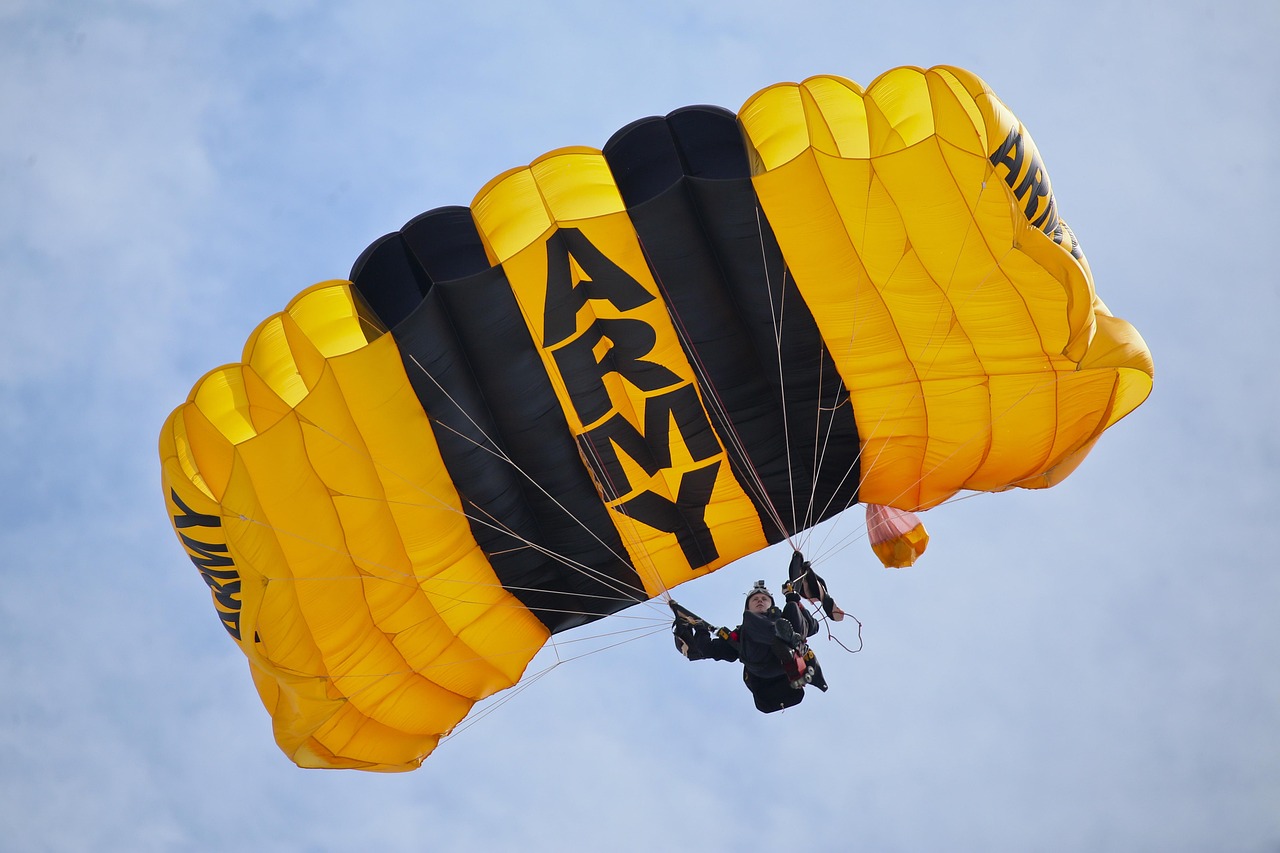
The FAA Parachute Rigger Handbook describes nylon as the predominant fabric used in parachute manufacture and identifies canopy fabrics as primarily ripstop nylon. That does not mean every nylon ripstop is suitable for parachutes. The practical question is whether the cloth has the required yarn, weave, finish, weight, permeability, strength, and documentation for the intended parachute system. For broader background on woven structures, see Huashi Digital’s weaves section.
Why ripstop weave is used in parachute cloth
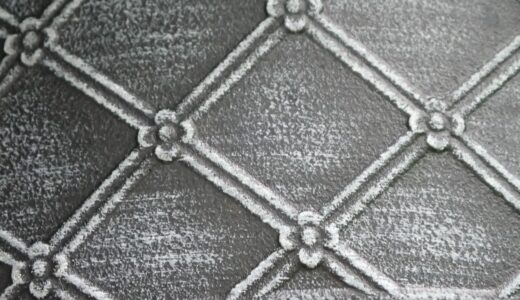
Ripstop is a woven reinforcement method. Stronger or doubled yarns are inserted at regular intervals in the warp and weft, forming a visible or semi-visible grid. When a small puncture or cut occurs, the grid helps distribute stress and slow the path of the tear. This matters in a parachute canopy because localized damage should not spread easily across a large panel.
The weave also has to support several competing requirements. Parachute fabric must be light enough to pack compactly, flexible enough to deploy, strong enough to withstand opening loads, stable enough to hold shape, and controlled enough in airflow to match the aerodynamic design. A heavier grid can improve tear resistance, but it can also increase pack volume or change hand feel and permeability. A very tight construction can reduce airflow, but it may be harder to finish consistently or pack smoothly. Good parachute cloth is therefore a system-level compromise, not simply the “strongest” possible weave.
The grid slows tears, but it does not make the fabric tearproof
A common misunderstanding is that ripstop fabric cannot rip. In practice, ripstop reduces tear propagation under certain conditions. It does not eliminate damage from abrasion, UV exposure, chemical contamination, heat, poor sewing, overloaded seams, or cuts that cross several reinforcement yarns. This distinction is important when comparing parachute ripstop nylon with lighter outdoor ripstop fabrics.
High-tenacity nylon supports strength-to-weight performance
Parachute canopy cloth commonly uses high-tenacity nylon yarns because nylon offers a strong strength-to-weight ratio, flexibility, and useful resistance to repeated folding. Many parachute fabrics are based on polyamide, often nylon 6,6 in technical references. Polyester parachute fabrics also appear in research and some engineered uses, but nylon remains widely referenced in parachute standards and rigger manuals.
Air permeability is the performance variable buyers should not overlook
In general fabric sourcing, weight and denier often get the most attention. For parachute ripstop nylon material, air permeability is just as important. ASTM D737-18(2023), the standard test method for air permeability of textile fabrics, treats air permeability as relevant to products including parachutes, sails, tents, air bags, and coated fabrics. The same ASTM source notes that construction factors and finishing techniques can affect air permeability, and that hot calendering can reduce airflow by flattening fabric components.
Permeability is commonly expressed in cubic feet per minute, often abbreviated as cfm, under specified test conditions. In parachute specifications, this is not just a comfort or breathability value. It is part of how the canopy fills, vents, stabilizes, and produces drag. NASA parachute permeability studies have evaluated how fabric permeability affects parachute drag and aerodynamic behavior, including tests on nylon fabrics measured by ASTM D737 methods. For textile sourcing, the lesson is direct: two fabrics with the same denier and weight can perform differently if their permeability and finish are different.
Lower permeability is not automatically better for every design. Some canopies require very low airflow to hold pressure and shape. Other systems may rely on controlled porosity, vents, panel geometry, or different inflation behavior. Fabric should therefore be selected against a parachute design requirement, not only against a generic description such as “1.1 oz ripstop nylon.”
Specifications and references commonly used for parachute nylon cloth
Public standards listings show that parachute cloth is often discussed through PIA specifications, military legacy specifications, FAA rigger guidance, and ASTM textile test methods. These documents do different jobs. Some describe fabric types, some provide rigger context, and others define how a property is measured. A product name should not be treated as a substitute for a specification.
| Reference | What it helps clarify | Why it matters in material selection |
|---|---|---|
| FAA Parachute Rigger Handbook | General parachute materials, rigger context, and the role of ripstop nylon in canopies | Useful for understanding why correct material identification matters in parachute repair and manufacture |
| PIA-C-7020 | Nylon parachute cloth in rip-stop and twill weave categories | Shows that parachute nylon is a specification-driven technical textile, not just a retail fabric style |
| PIA-C-44378 | Low-permeability nylon parachute cloth types, including ripstop constructions with stated weight and permeability ranges | Helps compare fabric types by weight and air permeability rather than by marketing name alone |
| ASTM D737-18(2023) | Standard test method for measuring air permeability of textile fabrics | Provides a common measurement framework for comparing fabric airflow data |
| NASA parachute permeability studies | Research on how fabric permeability influences parachute drag and modeling | Reinforces that permeability is an aerodynamic variable, not only a textile quality-control number |
One public listing for PIA-C-44378, published May 17, 2017, describes six nylon cloth types for parachute fabrication. The listed types include ripstop fabrics around 1.12 to 1.5 oz/sq yd and air permeability ranges such as 0.5–3.0 cfm, 0.5–5.0 cfm, and 30–50 cfm, depending on type. These figures should not be copied directly into procurement requirements, but they show the level of detail normally needed when specifying parachute fabric.
Another public listing from the U.S. defense standardization system identifies PIA-C-7020 as active and reaffirmed on August 1, 2024. Its title covers cloth, parachute, nylon, rip-stop and twill weave. For textile editors and buyers, that is a useful reminder that parachute fabric terminology has a standards history and should be checked by document number, revision, and intended application.
How weave, finish, and coating change the final fabric
The base weave gives parachute ripstop nylon material its reinforcement pattern, but finishing often determines the final fabric behavior. Calendering uses pressure and heat to compress the fabric surface, which can reduce air permeability. Coatings or resin treatments may further reduce porosity or improve certain handling properties, depending on the fabric system. These steps can also influence hand feel, slipperiness, pack volume, and sewing behavior.
This is why two fabrics both described as nylon ripstop can feel and perform quite differently. A soft, more porous cloth may pack and handle differently from a crisp, low-permeability fabric. A coated low-porosity canopy fabric may require different sewing, cutting, and inspection practices than an uncoated ripstop used in non-critical textile products. The weave is the foundation, but the finishing route turns the woven base into a parachute-grade technical cloth. See also: Applications.
For non-life-safety uses such as demonstration textiles, lightweight covers, bags, kites, or decorative applications, a buyer may prioritize color, hand feel, abrasion resistance, and water resistance. For parachute systems carrying people or valuable payloads, those consumer priorities are secondary to validated performance, certification route, test reports, and system-level approval.
Selection checklist for textile buyers and designers
When evaluating parachute ripstop nylon material, avoid relying on a single descriptor. A complete technical conversation should cover the following points:
- Fiber and yarn: Confirm nylon type, yarn denier, filament construction, and whether high-tenacity yarn is specified.
- Weave structure: Identify ripstop grid spacing, base weave, yarn density, and whether the cloth is balanced in warp and weft.
- Fabric weight: Ask for weight in oz/sq yd or g/m² and confirm the test method used.
- Air permeability: Request measured values, test conditions, and whether ASTM D737 or another method was used.
- Finish: Clarify calendering, coating, resin treatment, heat setting, or other finishing processes.
- Mechanical performance: Review tear strength, breaking strength, seam compatibility, elongation, and lot-to-lot consistency.
- Documentation: Ask for specification number, revision, certificate of conformity, test report, and traceability.
- Application limits: Separate fabric for certified parachute systems from fabric intended for bags, apparel, covers, or hobby projects.
A practical rule is to compare materials by function. If the fabric is meant to slow a descending object, permeability and strength both matter. If it is meant to imitate a parachute look in a fashion or luggage product, grid appearance and durability may matter more than certified aerodynamic performance. Confusing these two use cases can lead to overspecification in ordinary products or dangerous underspecification in technical ones.
Common misunderstandings about parachute ripstop nylon
“Parachute nylon” is not one standard fabric
The term can refer to several weights, finishes, permeability ranges, and specification families. A fabric sold under the same broad label may be unsuitable for a different parachute design or regulatory context. Always identify the required specification and performance values.
Denier alone does not define parachute performance
Denier helps describe yarn size, but it does not tell the whole story. Weave density, filament quality, finishing, coating, permeability, and tear performance can change the behavior of fabrics with similar denier values.
Low permeability does not replace system testing
A low-permeability fabric can be important for many canopy designs, but parachute performance also depends on canopy geometry, seams, suspension lines, vents, packing, deployment sequence, and operating conditions. Fabric data is necessary, but it is not sufficient on its own.
Retail ripstop should not be assumed safe for parachutes
Many attractive ripstop nylons are designed for outdoor gear, linings, flags, tarps, or bags. They may be strong enough for those uses but lack the specification control, permeability data, and certification evidence expected in parachute systems.
Frequently asked questions
Is parachute ripstop nylon material the same as 1.1 oz ripstop nylon?
Not necessarily. Some parachute cloth references include fabrics near that weight range, but weight alone is not enough. Parachute suitability depends on yarn, weave, permeability, finishing, strength, specification, and system approval.
What is the most important test for parachute fabric?
No single test covers everything, but air permeability is one of the most important properties for canopy behavior. Tear strength, breaking strength, dimensional stability, coating quality, and seam performance are also important.
Why is calendering used on parachute nylon?
Calendering can flatten the fabric structure and reduce air permeability. It may also affect surface feel and packing behavior. The effect depends on the fabric construction and finishing conditions.
Can polyester replace nylon in parachute fabrics?
Polyester parachute fabrics have been studied and may be used in certain engineered designs, but nylon remains the dominant material in many parachute references. Any substitution requires design validation and should not be treated as a simple fabric swap.
What should buyers request before ordering parachute ripstop nylon?
Request the specification number and revision, fiber content, denier, fabric weight, air permeability data, finish details, mechanical test results, certificate of conformity, and lot traceability. For life-safety use, consult qualified parachute professionals and applicable regulatory requirements.