Plain weave fabric explained for textile design and sourcing
What plain weave fabric means
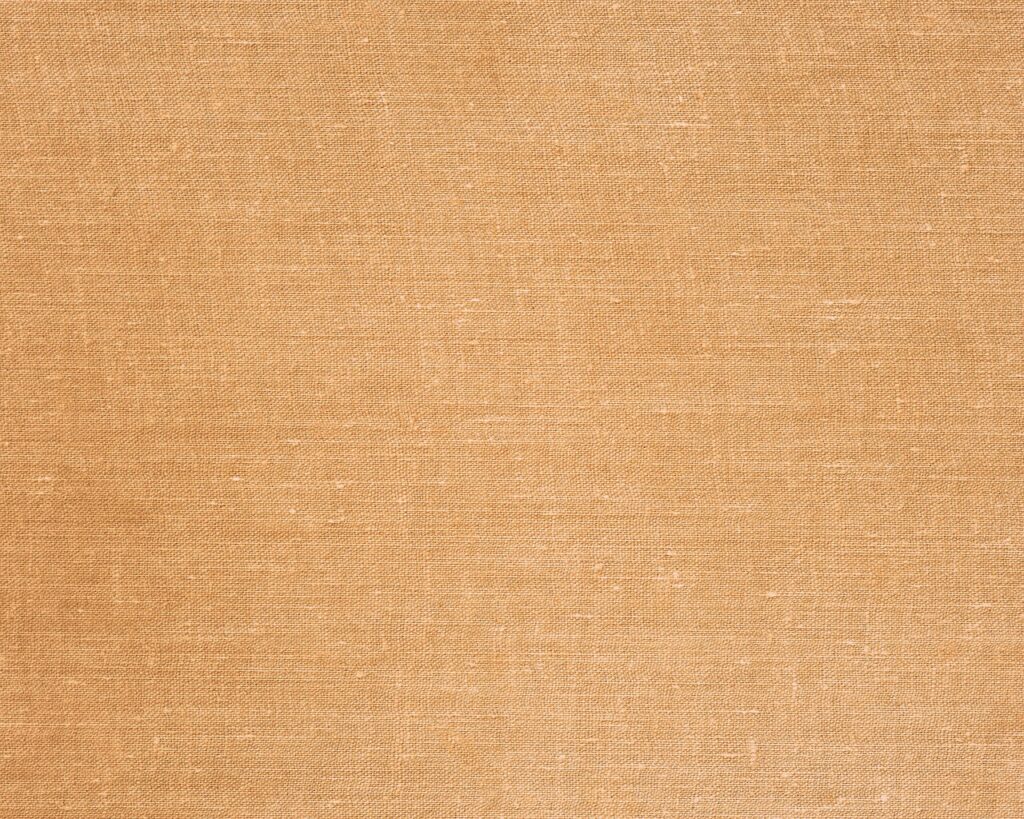
Plain weave fabric is a woven textile structure in which each weft yarn passes alternately over one warp yarn and under the next, with the sequence reversing on the following pick. In technical shorthand, it is often described as a 1/1 weave. This basic interlacing makes plain weave one of the three fundamental weave families, alongside twill and satin.
Its value is not that every plain weave cloth looks or feels the same. Rather, the structure gives designers and buyers a predictable base for stability, printing, finishing and everyday performance. For readers comparing weave structures, plain weave is usually the first construction to understand because many familiar fabrics, including muslin, voile, poplin, canvas and taffeta, are built from it or from close variations.

How the 1/1 structure works
In woven fabric, warp yarns run lengthwise and are held under tension on the loom, while weft yarns travel across the fabric width. Plain weave uses the most frequent possible interlacing pattern: over one, under one, then under one, over one on the next row. Standards and textile references such as ISO 3572 describe basic weaves by the way warp and weft interlace, and plain weave has the smallest repeat among the basic structures.
This high number of crossover points has practical consequences. Compared with twill or satin made from similar yarns at similar density, plain weave normally creates a flatter, more locked-in surface. The yarns have less freedom to slide, which supports dimensional stability and a crisp hand. The same feature can also reduce fluid drape, especially when the yarns are coarse, tightly packed or heavily finished.
For buyers, the important point is that “plain” describes the structure, not the appearance. A plain weave fabric may be solid dyed, yarn dyed, printed, coated, calendered, brushed or embroidered. It can be transparent or opaque, soft or firm, lightweight or heavy. Fiber type, yarn size, thread density and finishing often influence the final hand as much as the weave itself.
Core properties buyers should expect
Plain weave is often selected because it offers a practical balance of stability, cost efficiency and surface clarity. It is not automatically the strongest, softest or most premium woven option, but it is one of the most adaptable constructions.
- Good fabric stability: Frequent interlacing helps keep warp and weft in position, which can reduce distortion during cutting, sewing and use.
- Clear surface for color and print: The relatively even face works well for many prints, coatings and simple visual textures.
- Efficient construction: The repeat is simple, so it can be produced across many loom types and fiber categories.
- Balanced appearance: In balanced plain weave, the face and back can look very similar because warp and weft share the surface more evenly.
- Limited drape in dense versions: More interlacing points can make the fabric feel crisp or firm compared with some twills and satins.
- Possible lower tear mobility: In some tightly woven plain fabrics, yarns cannot bunch together easily to resist a tear, so tear strength must be tested rather than assumed.
The best way to evaluate a plain weave fabric is therefore not by structure alone. A fine cotton voile and a heavy cotton canvas can both be plain weave, yet they serve very different markets. Designers should treat the weave as the framework, then examine yarn, weight, density and finish before making a selection.
Plain weave compared with twill and satin
A common sourcing question is when to choose plain weave instead of twill or satin. The answer depends on performance priorities. Plain weave generally emphasizes stability and surface simplicity. Twill emphasizes diagonal texture, flexibility and often better drape. Satin emphasizes long floats, smoothness and luster, but it may be more snag-prone because fewer interlacements hold the yarns down.
| Feature | Plain weave | Twill weave | Satin weave |
|---|---|---|---|
| Basic interlacing | 1/1 over-under repeat | Staggered floats forming diagonal lines | Longer floats distributed to create a smooth face |
| Typical surface | Flat, simple and even | Diagonal rib or wale | Smooth, lustrous and less visibly interlaced |
| Stability | Often high because of many crossover points | Moderate to high, depending on density | Often lower than plain weave at similar density |
| Drape | Can be crisp, especially in dense fabrics | Often more flexible | Often fluid and smooth |
| Common uses | Shirting, linings, canvas, voile, muslin, quilting cotton | Denim, chino, drill, gabardine | Satin apparel, linings, evening fabrics, luxury surfaces |
This comparison should be used as a design guide, not a fixed rule. Fiber chemistry, yarn twist, finishing and fabric weight can change the result. A soft washed plain weave may drape better than a stiff resin-finished twill, while a very dense satin may feel less fluid than expected. For sourcing decisions, the weave tells only part of the story.
Common types and variations of plain weave fabric
Balanced plain weave
Balanced plain weave uses warp and weft yarns that are similar in size and spacing. This gives the cloth a grid-like structure and a face that often looks nearly the same on both sides. It is common in craft fabrics, embroidery grounds, lightweight apparel fabrics and many general-purpose woven textiles.
Unbalanced plain weave
In unbalanced plain weave, the warp and weft differ in size, density or prominence. This creates subtle ribs or directionality while preserving the basic over-under interlacing. Poplin is a familiar example: it is typically a plain weave with a fine rib effect caused by yarn and density differences.
Basket weave and oxford-related structures
Basket weave extends the plain principle by grouping two or more yarns together, such as two warp yarns crossing two weft yarns. Oxford and panama-style fabrics are often discussed near plain weave because they share the same visual logic of simple crossing, but grouped yarns can change softness, porosity, abrasion behavior and texture.
Rib weaves
Rib variations emphasize either the warp or weft direction by using different yarn sizes or grouped interlacings. These fabrics can add texture without moving into a diagonal twill structure. They are useful when a designer wants a plain-weave base but needs more surface interest.
Where plain weave fabric is used
Plain weave appears across apparel, home textiles, accessories, technical textiles and craft materials. Its widespread use comes from the structure’s versatility rather than from one universal performance profile. See also: Applications.
- Apparel: Shirting, blouses, dresses, pocketing, interlinings, lightweight jackets and linings can use plain weave when a clean surface and stable handling are important.
- Home textiles: Sheets, curtains, table linens, quilting cotton, cushion covers and decorative fabrics may use balanced or unbalanced plain structures.
- Heavy-duty fabrics: Canvas, duck and some utility cloths use plain weave to create firm, durable grounds, often with heavier yarns and higher fabric mass.
- Sheer and lightweight fabrics: Voile, organdy and some gauze-like fabrics rely on fine yarns and open settings to create transparency and breathability.
- Printing and finishing bases: The flat surface makes many plain weave fabrics suitable for pigment printing, reactive printing, coating, lamination or digital print preparation, depending on fiber content and pre-treatment.
The same construction can also show clear limitations. A tightly woven plain fabric may resist distortion but feel less supple. An open plain weave may breathe well but snag more easily or shift at seams. A very firm canvas may be durable in one application but too stiff for another. Matching the construction to the end use is more important than treating plain weave as a single fabric category.
How to specify plain weave fabric for sourcing
When a buyer requests “plain weave fabric” without further detail, the supplier still lacks essential information. A useful specification should define measurable properties, visual requirements and the intended application. This reduces sampling cycles and helps prevent confusion between similar fabric names.
| Specification item | Why it matters | Typical way to express it |
|---|---|---|
| Fiber content | Controls comfort, dyeing route, care and cost | 100% cotton, polyester-cotton blend, nylon, linen, silk or recycled fiber blend |
| Yarn count or yarn size | Influences hand, opacity, strength and fineness | Metric, English cotton count, denier or tex, depending on fiber system |
| End and pick count | Defines warp and weft density | Ends and picks per inch or per centimeter |
| Fabric weight | Affects drape, durability and shipping cost | Grams per square meter or ounces per square yard |
| Width | Determines cutting efficiency and roll planning | Finished usable width, including tolerance |
| Finish | Changes feel, shrinkage, appearance and performance | Bleached, dyed, printed, mercerized, brushed, coated, water-repellent or soft finished |
| Performance tests | Confirms suitability for the end use | Shrinkage, tensile strength, tear strength, colorfastness, abrasion or air permeability as needed |
Recognized textile test methods can support these specifications. For example, ASTM D3775 is used for end and pick count of woven fabrics, ASTM D3776 covers fabric mass per unit area, and ISO 13934-1 covers maximum force and elongation of textile fabrics using the strip method. The exact method should be agreed between buyer and seller because markets, product categories and regulatory expectations differ.
How to choose the right plain weave for a project
Start with the end use, not the fabric name. If the product is a shirt, the fabric may need softness, breathability, seam strength and stable laundering. If it is a tote bag or upholstery accessory, abrasion, tear strength and fabric weight become more important. If it is a print base, surface smoothness, absorbency, pretreatment and colorfastness may matter more than drape.
A practical selection process is to compare three sample groups: a lighter construction for comfort, a medium construction for balance and a heavier construction for durability. Review them after finishing and laundering, not only in greige or first-sample condition. Plain weave fabrics can change noticeably after shrinking, softening, calendering or coating.
Designers should also check directionality. Even when the structure is simple, warp and weft may behave differently because of yarn twist, tension and density. Cutting layouts, seam placement and print orientation can be affected. For products that require dimensional consistency, test both warp and weft directions rather than relying on touch alone.
Frequently asked questions
Is plain weave fabric always cotton?
No. Plain weave is a structure, not a fiber. It can be made from cotton, linen, wool, silk, polyester, nylon, rayon, blends and many specialty yarns. Fiber content determines comfort, dyeing, care and cost, while the weave determines the interlacing pattern.
Is plain weave stronger than twill?
Not always. Plain weave has many interlacing points, which can improve stability, but strength depends on fiber, yarn size, twist, density and finishing. Twill fabrics may outperform plain fabrics in certain abrasion or tear applications. Testing is the safest way to compare.
Why does plain weave sometimes feel stiff?
The frequent over-under interlacing restricts yarn movement, especially in dense fabrics. Stiffness can also come from heavy yarns, high fabric weight, resin finishes, coatings or insufficient softening. A lighter yarn, looser setting or softer finish can change the hand significantly.
What is the difference between plain weave and basket weave?
Plain weave usually means individual warp and weft yarns interlace one over and one under. Basket weave groups two or more yarns so they act together. This can make the fabric look more open, textured or soft, but it may also change snagging and stability.
What should be checked before ordering plain weave fabric?
Check fiber content, yarn size, end and pick count, fabric weight, width, finish, shrinkage, colorfastness and strength requirements. The intended use should decide which tests are essential. A plain weave label alone is not enough to predict final performance.