
Which Fabric Weaving Types Actually Matter Most for Global Buyers?
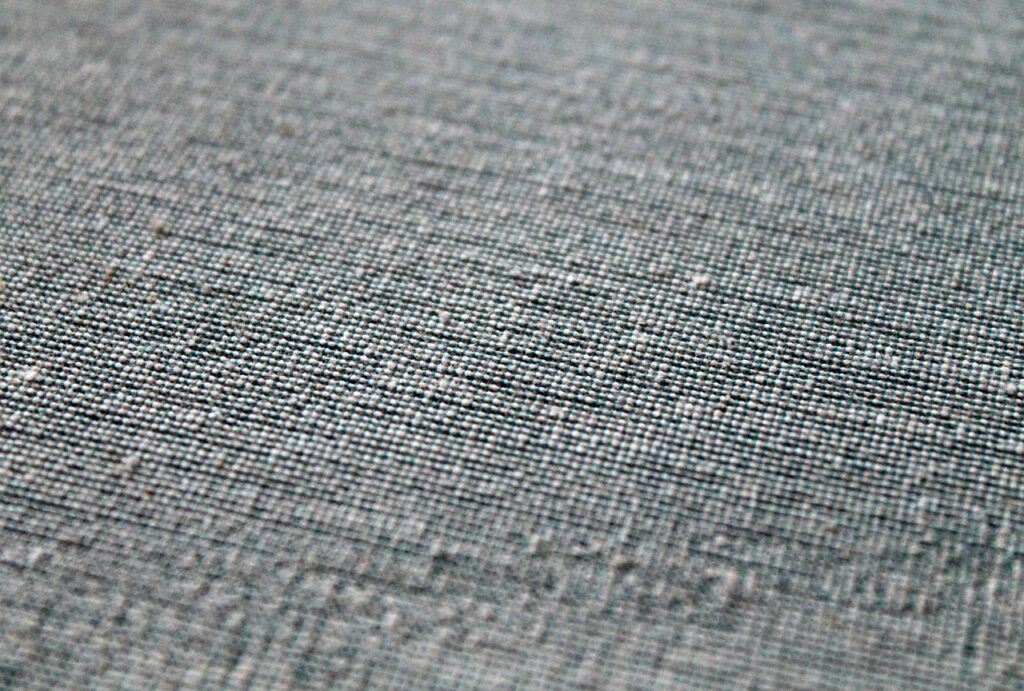
If you buy woven fabrics, fabric weaving types should not just mean a surface pattern. The weave has a direct effect on hand feel, strength, drape, print result, snagging risk, shrinkage, and sometimes even the customs description. For more background on woven constructions, you can also visit the Weaves section.
The National Park Service describes weaving as the planned crossing of warp and weft yarns. It also points out that plain weave, twill, and satin are the three base structures behind many fabric names. This is still useful in day-to-day sourcing, because most commercial woven fabrics start from these three structures. Mills then adjust the result through yarn, density, color, finish, or loom control. (home.nps.gov)
Plain Weave for Stable Everyday Goods
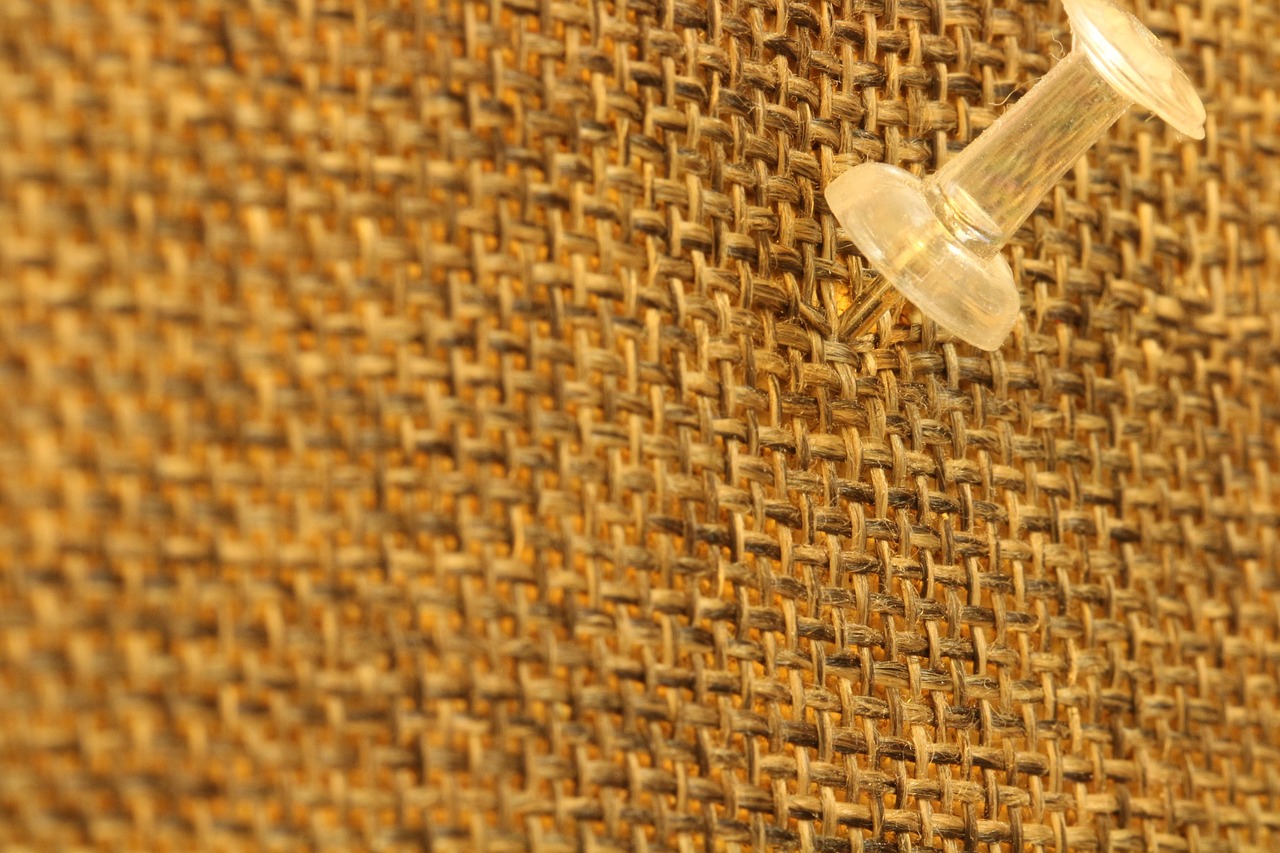
Plain weave is the simple one over, one under structure. When yarn count and density are set well, it gives a firm and balanced cloth. You see it in poplin, voile, canvas, many printed cottons, pocketing, linings, and basic sheeting. It may not look special, but it is reliable. For a buyer, plain weave is often the safe starting point when the order needs clean printing, lower risk of skew, and a tidy face.
Twill Weave for Wear and Structure
Twill creates diagonal ribs by moving the interlacing point across the fabric. That diagonal line is easy to notice in denim, chino, drill, gabardine, herringbone, and some uniform fabrics. Twill often feels denser and more pliable than a similar plain weave. If the product needs abrasion resistance, a firmer body, or a workwear look, twill is worth checking early.
Satin Weave for Smooth Visual Appeal
Satin uses longer floats, so fewer yarn crossings appear on the face. This gives the fabric a smooth surface and more shine. In cotton, this structure is often called sateen. In polyester filament or silk, it may be sold as satin. It can give a higher-end look, but those floats can snag more easily. For that reason, satin weave is not the first choice for every product with rough daily use.
How Do Basic Weaves Change Fabric Performance?
A weave is not only a drawing on a spec sheet. It is a repeated construction choice across the whole roll. Change the interlacing, and the same fiber can look and perform like another material. A 100% cotton plain fabric, cotton twill, and cotton sateen may carry the same fiber label, but they can feel very different in fitting, sewing, and washing.
Interlacing Frequency and Fabric Hand
Plain weave has many interlacings, so the yarns lock together often. This can make the cloth stable and crisp. Twill has fewer crossings than plain weave, so it usually drapes better and bends more softly. Satin has longer floats, which is why it can feel smooth and fluid. The trade-off is easy to understand: fewer crossings can improve drape, but the surface may be easier to damage.
Floats, Drape, and Shine
A float is the part of yarn that passes over several yarns before it goes under again. Longer floats reflect light in a smoother way, so satin looks brighter. They also let the fabric move with less stiffness. But long floats can catch on a zipper tooth, rough table edge, ring setting, or warehouse carton. A hotel bedding sateen can be right for touch, while a satin pocket lining in low-cost trousers may fail too soon if the yarn and density are weak.
Yarn Count, Density, and Finish
Do not judge a fabric by weave name only. A low-density twill can be weaker than a tight plain weave. A high-twist yarn can make plain weave feel dry and firm. Brushing, sanding, calendaring, mercerizing, coating, peach finish, and enzyme wash can all change the final hand. Ask for the construction, not just the trade name: yarn count, ends per inch, picks per inch, GSM, width, finishing route, and shrinkage range.
When Should You Choose Plain Weave?
Plain weave is a good choice when you need a clean structure, easy printing, and steady cutting behavior. It also works for many price-sensitive programs because the structure is common and easy to source. Simple does not mean cheap or poor quality. Fine poplin for shirts and heavy canvas for bags both belong to the plain weave family.
Shirts, Linings, and Printed Fabrics
For shirts, plain weave poplin can give a smooth face and a clean office look. For linings, plain weave helps keep bulk down. For printed fabrics, the flatter and more regular surface can hold small motifs and sharp outlines well. If you are buying for children’s wear, craft fabric, tote bags, or promotional items, plain weave is also easier to explain to end customers.
Oxford and Basket Weave Variations
Oxford and basket weave are related to plain weave. Instead of one yarn crossing one yarn, two or more yarns may move together. This gives more surface texture and a softer, more casual look. Oxford shirting is a common example. It can hide small wrinkles better than flat poplin, which helps when shirts stay in export cartons for weeks.
Quality Checks for Plain Cloth
For plain weave, pay close attention to evenness. Check reed marks, thick and thin yarns, broken ends, bow, skew, and color variation from center to selvedge. If the cloth is for printing, test strike-off clarity before bulk. If it is for bags or aprons, test seam slippage and tear strength. A plain weave roll can look clean at first, then show issues when it is pulled, sewn, or washed.
When Does Twill Beat Plain Weave?
Twill is often the better option when the fabric needs body, movement, and wear performance at the same time. The diagonal structure helps the cloth bend and recover in a way plain weave often cannot. For global buyers, twill is also easy to sell because the market already knows it. People recognize denim, chino, drill, cavalry twill, and herringbone, even if they do not know the weave draft.
Denim, Workwear, and Uniforms
Denim is the best-known cotton twill. It often uses an indigo warp and lighter weft, which creates the classic jeans face. Drill and chino are also common in uniforms, trousers, caps, and aprons. The National Park Service notes that twill is often denser and sturdier than plain weave, and gives denim as a familiar example of cotton twill. This fits what many buyers see in real use: twill handles stress well when the yarn and finish match the job. (home.nps.gov)
Herringbone and Drill Options
Herringbone is a broken twill that changes direction and creates a zigzag. It looks more decorative than standard twill, but it still feels practical. Drill usually has a clear diagonal and a firm hand. For uniforms, drill can be easier to manage than satin because it looks solid, hides small marks better, and gives a plain, durable image.
Color, Direction, and Shrinkage Control
Twill direction matters in cutting and sewing. The diagonal can run one way or reverse, and the face and back may not look the same. For garment cutting, keep direction consistent across panels, especially with brushed twill or pigment-dyed cloth. Also check shrinkage after washing. Twill can twist if yarn balance, finishing, or garment washing is not controlled well. A leg seam that turns after laundry will quickly become a retail complaint. See also: Applications.
Why Pick Satin or Sateen for a Product?
Satin and sateen fit products where touch, shine, and drape add value. Bedding, dresses, scarves, linings, sleepwear, evening wear, decorative home textiles, and some premium packaging fabrics all use this type of surface. It is not only about making the fabric look shiny. The main point is to give the hand a smoother path across the fabric face.
Bright Surface and Soft Touch
The long floats in satin reflect light with fewer breaks. That is why the fabric can look glossy, even before finishing. Sateen, usually made with spun cotton or cotton blends, gives a smoother and warmer version of this effect. For bedding, a cotton sateen can feel fuller than a plain weave percale at a similar GSM, though percale may feel cooler and crisper.
Fiber Choice and End Use
Fiber choice matters a lot here. Textile Exchange’s 2025 Materials Market Report says global fiber production reached about 132 million tonnes in 2024, with polyester at 59% of total fiber output and cotton at 19%. For a buyer, this matters because satin in polyester filament, cotton sateen, viscose satin, and silk satin all sit in different price, care, and performance ranges. The weave name may sound similar, but the end use and aftercare can be very different. (textileexchange.org)
Snagging and Care Risks
Satin is not the best answer when the goods will face rough handling. Longer floats can snag, abrade, or pill if the yarn and finish are not suitable. Test rubbing, pilling, seam strength, and washing before bulk. For dark satin, also test colorfastness to rubbing. A shiny black satin that stains a light sofa or a pale lining will cause problems after delivery.
How Can Buyers Compare Weave Types Before Ordering?
Good sourcing is not about learning every weave name by heart. It is about asking the right questions before the purchase order is signed. The World Customs Organization’s HS 2022 listing for cotton woven fabrics includes separate wording for plain weave and 3-thread or 4-thread twill under HS 5208. That shows weave terms can matter not only for design and hand feel, but also for trade descriptions. (wcotradetools.org)
Ask for Construction Details
Before comparing prices, ask each supplier for the same technical sheet. If one quote only says “cotton twill 220 GSM” and another gives full yarn count, density, width, finish, and test results, the second quote is easier to check. For export buying, a clear spec saves time when several factories quote similar fabric names.
- Weave type and commercial fabric name
- Fiber content and yarn count
- Ends and picks per inch or centimeter
- GSM, usable width, and selvedge type
- Shrinkage, colorfastness, pilling, and tear strength
Test Samples Under Real Use
Do not judge swatches only under office lights. Wash them, rub them, fold them, stitch them, and leave them hanging for a day. For apparel, make a fit sample. For upholstery or bags, test abrasion and seam load. For bedding, wash at the temperature the customer is likely to use. A fabric can feel fine in the morning and fail after one laundry test.
Match Weave to Price and Market
International Trade Centre Trade Map data for HS 5208 shows reported 2024 imports of woven cotton fabrics containing at least 85% cotton and weighing no more than 200 g/m² at about US$6.57 billion. That gives useful market context: woven cotton fabrics are still a real traded category, not just a sample-room item. The buying decision should stay practical. Choose the weave your buyer’s market can understand, wear, wash, and reorder. (trademap.org)
FAQ
Q1: What Are the Main Fabric Weaving Types? A: The three basic fabric weaving types are plain weave, twill weave, and satin weave. Many named fabrics, such as poplin, denim, herringbone, sateen, Oxford, and drill, come from these base structures or their variations.
Q2: Which Weave Is Best for Shirts? A: Plain weave poplin works well for crisp shirts, Oxford gives a softer casual look, and fine twill offers better drape with a subtle diagonal texture. The best choice depends on price, hand feel, season, and care needs.
Q3: Is Twill Always Stronger Than Plain Weave? A: Not always. Twill is often chosen for durable products, but strength also depends on yarn quality, density, fiber, finishing, and test results. Always compare tear strength, abrasion, seam slippage, and shrinkage before bulk orders.
Q4: What Is the Difference Between Satin and Sateen? A: Satin usually refers to a smooth, shiny weave often made with filament yarns such as polyester or silk. Sateen usually refers to a satin weave made with spun yarns, often cotton, giving a soft and smooth cotton surface.
Q5: How Should You Choose a Weave for Export Fabric Orders? A: Start with the end use, then compare construction details, sample performance, wash behavior, price, and market expectations. A good weave choice should match the product’s look, hand feel, durability, care label, and target customer.