
Why Is Twill Woven Fabric the Best Choice for Durable Apparel?
Why Does Twill Woven Fabric Matter for Your Next Order?
When buyers compare uniform shirts, chino pants, jackets, caps, or tote bags, twill woven fabric often comes up early. It has a visible surface, enough strength for daily wear, and it runs well in cutting and sewing. For a quick look at related weave structures, Huashi Digital lists twill with other constructions that buyers usually check before sample development. The point to keep in mind is simple: twill is not one fiber. It is a weave, and it can be made with cotton, polyester, nylon, viscose, or blended yarn.
The market background is worth checking as well. Textile Exchange reported in its Materials Market Report 2024 that global fiber production reached 124 million tonnes in 2023, and cotton volume was 24.4 million tonnes. USDA Economic Research Service, updated June 16, 2026, forecast 2026/27 world cotton production at 116.0 million bales and mill use at about 121.8 million bales. Public data for global twill-only fabric output is not reliable, so no twill volume is listed here.
A Diagonal Surface Buyers Can See
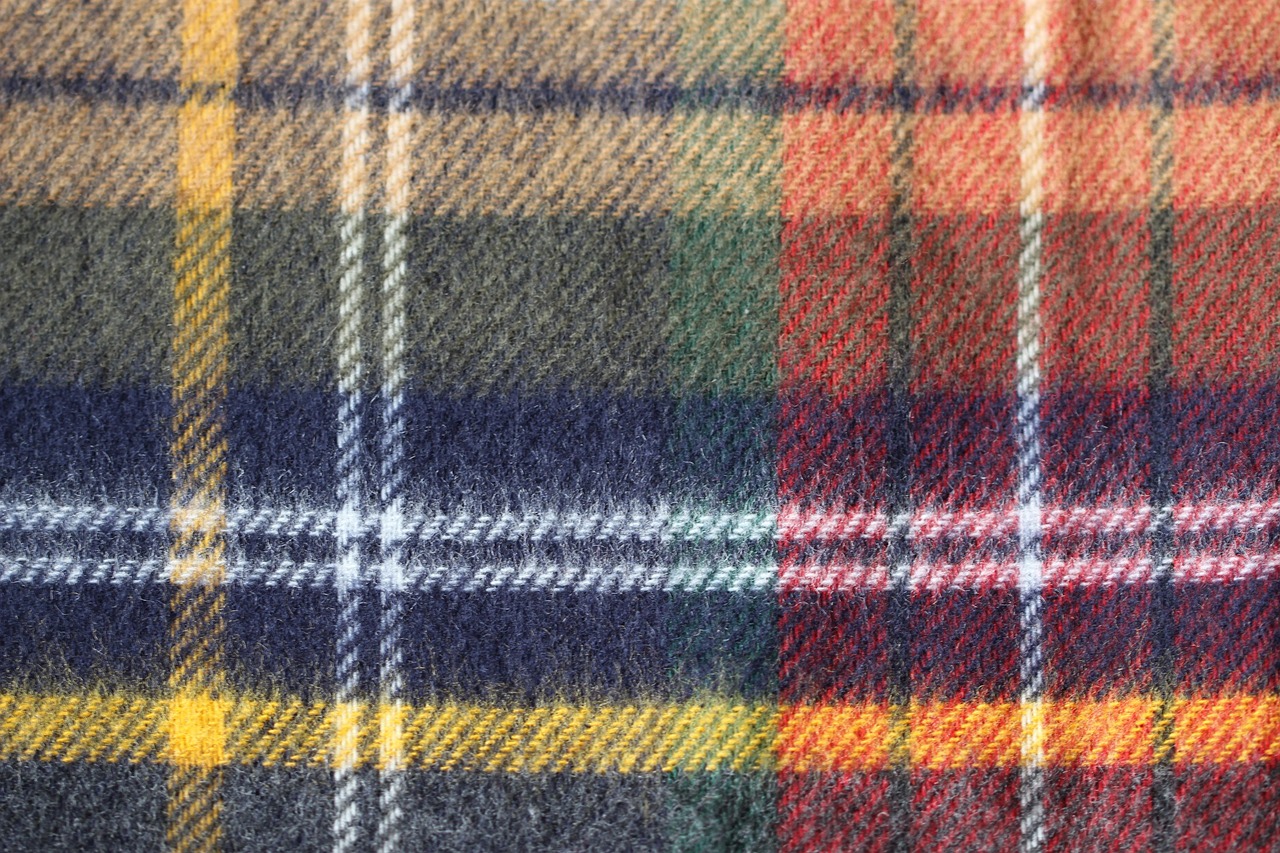
Twill is easy to recognize because the fabric face has fine diagonal ribs. That small slant gives trousers, uniforms, work jackets, and casual shirts a surface that looks less plain than plain weave. It also hides small wrinkles and light dirt better in daily use, so garment buyers often pick it for products that get worn often. It is not a special trick; it is just one useful feature of the weave.
A Stable Base for Repeat Styles
For a style that repeats every season, the fabric has to behave well in cutting, sewing, washing, and packing. Twill often gives that kind of stable base. A 240 gsm cotton twill, for example, may fit chino pants, while a lighter 150 gsm twill may be used for shirts. The final call still depends on yarn count, density, finish, and shrinkage control, so those details should be checked before approval.
A Smart Fit for B2B Use
In B2B orders, buyers usually care more about fewer after-sales problems than a nice fabric name. Twill works in many practical cases: warehouse uniforms need abrasion resistance, school pants need wash durability, and branded tote bags need a clean printing surface. If you sell to distributors, clubs, or workwear brands, twill gives a workable balance between price, hand feel, and service life. That is why it stays common in repeat programs.
How Is Twill Woven Fabric Built on the Loom?
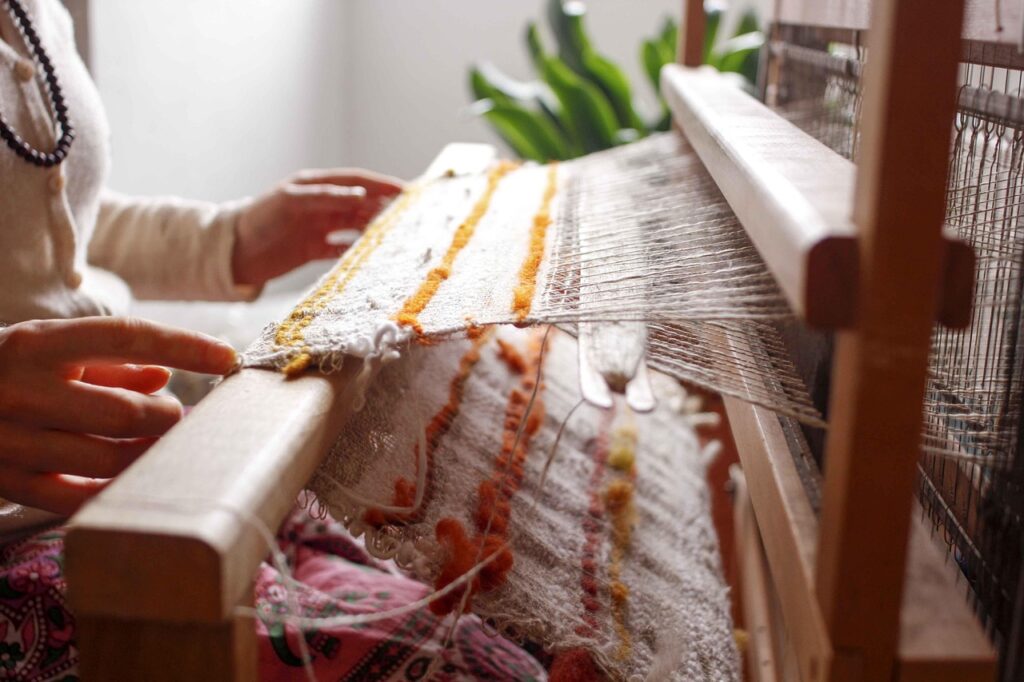
Twill starts from the same basic weaving rule as other woven fabrics: warp yarns run lengthwise, and weft yarns cross them. The difference is in the interlacing order. National Cotton Council explains that weaving forms fabric by interlacing yarns, and twill creates diagonal ridges across the cloth. CottonWorks by Cotton Incorporated also describes a 2/1 twill as a repeat across three warp ends and three filling picks.
The Warp and Weft Create a Twill Line
In a plain weave, each weft yarn usually goes over one warp and under the next. Twill changes that order, so the yarn may float over two and under one, or over three and under one. As each row shifts, the floats line up and form a diagonal line. That line is the main sign of twill woven fabric, and buyers can usually see it without a lab test.
2/1 and 3/1 Structures Change the Face
A 2/1 twill often feels balanced and is used in shirts, pocketing, and medium-weight items. A 3/1 twill has longer floats on the face, so the surface can look smoother and feel a bit stronger. Denim is a known example of a warp-faced twill, although denim also has its own dyeing and yarn practices. These structure details matter when you compare samples from different mills.
S and Z Directions Affect Appearance
The diagonal line can lean in either direction. Mills often call these S direction and Z direction. It sounds like a small point, but it can change how garment panels look after cutting. If left and right garment parts are not planned properly, the surface may look uneven under store lighting. A careful sample review catches this before bulk fabric is cut.
Why Does Twill Woven Fabric Often Outwear Plain Weave?
Twill is not stronger than every other fabric by default. Bad yarn, loose density, or poor finishing can still cause failure. With similar yarn quality and weight, though, twill often performs well because the structure spreads stress in a different way. National Cotton Council lists twill as a weave used for sturdy fabrics such as denim, gabardine, herringbone, and ticking, which is close to what many apparel buyers see in regular sourcing work.
Fewer Sharp Yarn Bends
Because twill uses floats, the yarns do not bend sharply at every crossing point. That can make the cloth feel more flexible and less stiff at the same weight. This is one reason twill pants can feel comfortable while still keeping shape. Buyers should still test abrasion, seam strength, and tear strength, because the fabric data gives the real answer.
Better Cover at Medium Weights
Twill can give good cover without making the fabric too heavy. This matters for uniforms used in warm shops, delivery routes, hotels, restaurants, and other busy workplaces. If a garment looks solid but feels too hot, the buyer will hear complaints quickly. Medium-weight twill often has enough body for neat sewing and still stays wearable for long shifts.
Common Uses Prove the Point
Look at where twill appears again and again: chinos, denim, chef coats, aprons, caps, jackets, and upholstery shells. These are not fragile products used once a year. They get washed, rubbed, folded, packed, and worn again. That use pattern is not the same as a lab result, but it is useful market evidence when choosing fabric for repeat orders.
Which Fibers and Finishes Work Best for Twill Woven Fabric?
Fiber choice changes the final feel and use of twill more than many new buyers expect. Cotton twill, polyester cotton twill, nylon twill, and rayon blend twill can all have the same diagonal line, but they do not sell into the same programs. Textile Exchange data shows that the fiber market is large and mixed, so the fabric choice should follow the buyer’s price level, comfort need, and care label. A nice-looking sample is not enough if the end use does not match.
Cotton for Breathable Everyday Styles
Cotton twill is used often for chinos, casual jackets, work shirts, aprons, and bags because it feels natural and takes dye well. It can also be garment washed when the buyer wants a softer hand. The main issue is shrinkage, so preshrinking, sanforizing, or careful finishing should be discussed before bulk production. USDA cotton outlook data in 2026 also reminds buyers that cotton prices can move with crop and mill-use changes. See also: Applications.
Polyester Blends for Shape and Drying
Polyester cotton twill is a practical option for uniforms and promotional apparel. It dries faster than pure cotton and usually keeps its shape better after repeated laundry. A 65/35 polyester cotton twill is common in workwear because it balances cost, strength, and comfort. If the garment needs heat transfer printing, ask for a test first, since temperature may change the hand feel.
Brushing Dyeing and Coating for Different Markets
The same base twill can move into different markets after finishing. Brushing gives a softer surface for casual shirts, while reactive dyeing can support strong cotton colors. Pigment dyeing gives a worn-in look, and water-repellent coating may suit outerwear, bags, or outdoor covers. Do not choose a finish only by looking at a photo; a hand sample gives a clearer answer than a catalog page.
How Should You Check Quality Before Bulk Production?
Quality checking should start before the purchase order becomes too large. EURATEX Facts and Key Figures 2026 reported that the EU textile and clothing sector has €166 billion in annual turnover, 1.2 million jobs, and nearly 200,000 companies, with strong pressure on standards and responsible production. For export buyers, the message is clear enough: documents, testing, and steady communication are part of the order, not side work.
Start With Fabric Weight and Yarn Count
Ask for fabric weight in gsm, width, yarn count, density, composition, and finish. If the supplier only says cotton twill, that is not enough information for bulk buying. A 120 gsm shirt twill and a 280 gsm pants twill are both twill, but they go to different markets. Keep one approved cutting from the sample roll, then compare it with bulk fabric under the same light.
Check Skew Shrinkage and Color Fastness
Twill can skew because the diagonal structure may twist under processing tension. Good mills control this issue, but buyers still need a test report. For apparel, check washing shrinkage, spirality or skew, rubbing fastness, washing fastness, and seam slippage. For bags or upholstery, add abrasion and coating tests if the product needs them. A short checklist saves trouble later:
- Confirm test method, not only the result.
- Wash the sample the same way your buyer will wash it.
- Check dark colors for dry and wet rubbing.
- Measure width and weight after finishing, not only in greige fabric.
Match MOQ Lead Time and Packing to Reality
A technically good twill can still cause problems if delivery planning is weak. Ask about greige fabric stock, dyeing capacity, lab dip timing, roll length, shade lot control, and packing marks. For repeat programs, leave a small buffer for shade approval and testing. This work is not exciting, but it is often the difference between a calm shipment and an urgent order going wrong.
FAQ
Q1: What is twill woven fabric? A: Twill woven fabric is a woven cloth made with a stepped interlacing pattern that forms diagonal ribs on the surface. It can be made from cotton, polyester, nylon, viscose, or blended yarns.
Q2: Is twill woven fabric good for workwear? A: Yes. Twill is widely used for work pants, uniforms, aprons, jackets, and caps because it can offer good strength, cover, and sewing stability at practical weights.
Q3: Is twill better than plain weave? A: It depends on the product. Twill often feels softer and hides wrinkles better, while plain weave can be lighter and simpler. Compare weight, yarn, density, and test results before choosing.
Q4: Does twill woven fabric shrink? A: It can shrink, especially cotton twill. Ask for preshrunk finishing and check washing shrinkage before bulk production. A finished fabric test report is more useful than a verbal promise.
Q5: What should you ask a twill fabric supplier first? A: Ask for composition, gsm, width, yarn count, density, finish, color fastness, shrinkage data, MOQ, lead time, and a physical hand sample. Those details make sourcing much safer.