Navy ripstop fabric guide for workwear, bags, and outdoor gear
What navy ripstop fabric means
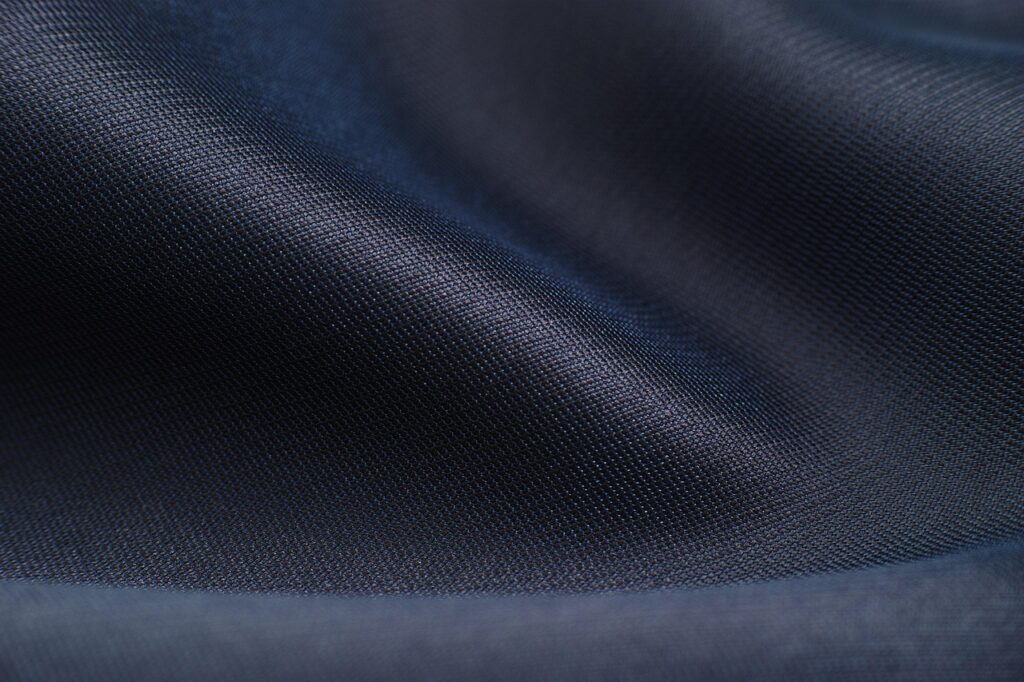
Navy ripstop fabric is not one fixed material. It is a specification built from several choices: color, weave structure, fiber, fabric weight, and finishing. The ripstop element refers to a woven reinforcement pattern, where stronger or thicker yarns are inserted at regular intervals to form a grid. The navy element refers to a dark blue shade commonly used in workwear, uniforms, bags, outdoor accessories, and technical casual apparel.
The practical value of ripstop is tear control. If a puncture or small cut starts between the grid lines, the reinforcement yarns can help slow the tear before it runs across the fabric. That does not make the fabric damage-proof. Sharp objects, heavy abrasion, poor yarn quality, weak coating, or unsuitable sewing can still cause failure. For that reason, buyers should look beyond the visible grid and review the fiber, yarn count, weave density, finish, colorfastness, and test data.
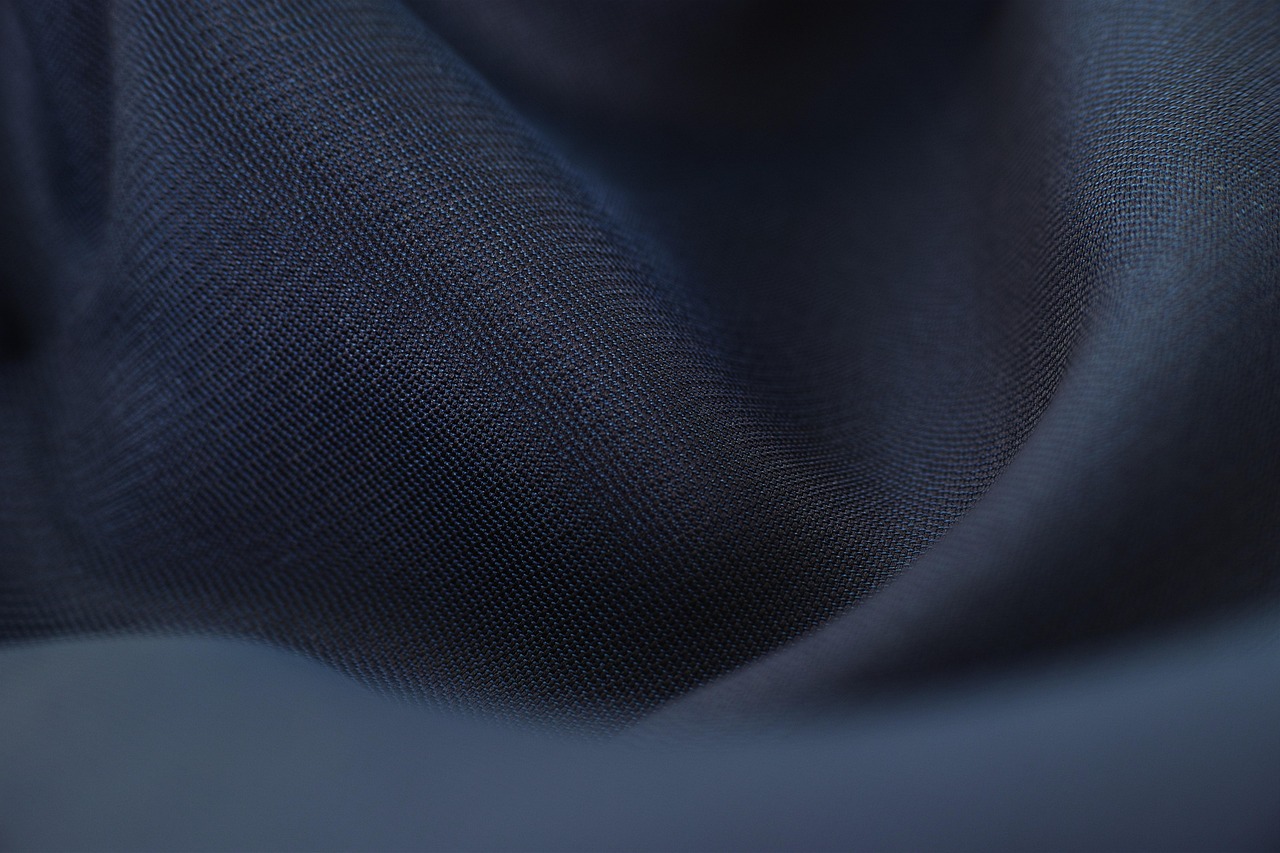
For readers comparing constructions, ripstop sits within the wider family of woven structures used in performance textiles. Related explanations can be found in the Weaves section.
How the ripstop grid changes fabric performance
Ripstop fabric usually starts with a base weave, often a plain weave, and adds reinforcement yarns in the warp, weft, or both directions. These yarns create the familiar square or rectangular grid. In lightweight fabrics, the grid may be clearly visible and easy to feel. In modern apparel or uniform fabrics, it may be much more subtle because mills can use finer yarns, closer spacing, or finishing processes that reduce surface contrast.
Tear propagation is the key performance idea
The main technical benefit is not that the fabric cannot be cut. The reinforcement grid is intended to reduce tear propagation after damage has started. Standard textile tear tests help separate this performance point from visual claims. ASTM D2261 describes a tongue tear procedure for measuring tearing strength in textile fabrics, while ISO 13937 includes methods for determining tear properties of fabrics, mainly woven fabrics. These standards are useful because they focus on measured tear force rather than appearance.
This distinction matters in sourcing. A fabric can look rugged because the ripstop grid is bold, but still perform poorly if the base yarns are weak, the weave is loose, or finishing has reduced fiber strength. Another fabric can have a low-contrast grid and still perform well because the yarn system and construction are balanced.
Grid size alone is not a quality grade
Buyers often compare ripstop by grid size, such as fine-grid versus large-grid constructions. Grid size is visible, so it is easy to overvalue it as a specification point. In practice, it should be considered together with fiber type, yarn linear density, base weave density, fabric weight, finishing, and test results. A larger grid does not automatically mean a stronger fabric, and a smaller grid does not automatically mean a lighter or weaker one.
For navy ripstop fabric, the grid also affects the look of the final product. A high-contrast reinforcement line creates a more technical or military-inspired surface. A low-contrast grid looks cleaner and may be preferred for work shirts, utility trousers, and casual garments where a subtle texture is more suitable.
Fiber choices and what they change
Ripstop is a construction method, not a fiber name. Navy ripstop fabric may be made from cotton, polyester, nylon, cotton-polyester blends, nylon-cotton blends, or stretch blends. Each option changes the balance of comfort, durability, drying speed, dye behavior, and cost.
| Fiber or blend | Typical strengths | Common limitations | Suitable uses |
|---|---|---|---|
| Cotton ripstop | Natural hand feel, breathability, matte appearance | Can absorb moisture, may dry slowly, shade can fade with repeated laundering | Casual shirts, utility apparel, light uniforms |
| Polyester-cotton ripstop | Balanced durability, easier care, improved dimensional stability compared with all-cotton fabrics | Hand feel depends strongly on blend ratio and finishing | Workwear, trousers, jackets, service uniforms |
| Nylon ripstop | High strength-to-weight potential, packability, good use in lightweight gear | Can feel synthetic; heat sensitivity and coating compatibility must be checked | Bags, outdoor shells, linings, travel accessories |
| Polyester ripstop | Good shape retention, broad dyeing and finishing options, often used in coated fabrics | Comfort depends on weave density, yarn type, and finish | Bags, covers, outerwear, promotional gear |
| Stretch ripstop | Improved mobility for active garments | Stretch yarns and finishes may affect recovery, tear behavior, and long-term stability | Outdoor pants, tactical-style apparel, flexible workwear |
The right choice depends on the end use. A navy ripstop work shirt may prioritize comfort, laundering stability, and color retention. A navy ripstop bag fabric may need stronger emphasis on tear strength, abrasion resistance, coating adhesion, and seam strength. A lightweight outdoor shell may prioritize low weight, packability, water repellency, and wind resistance.
Why navy is more than a color choice
Navy is widely used because it looks professional, hides some soil better than light colors, and fits uniform, workwear, travel, and outdoor categories. Dark shades, however, put more pressure on color management. A deep navy shade can show fading, streaking, crocking, lint, and edge wear more clearly than many mid-tone colors.
Colorfastness should be specified according to the expected use. ISO 105-C06 covers color fastness to domestic and commercial laundering. AATCC TM61 is commonly referenced for accelerated laundering. AATCC TM8 addresses color transfer by rubbing, often called crocking. ISO 105-B02 is widely used for color fastness to artificial light using a xenon arc fading lamp. The relevant method depends on market, buyer requirements, and the finished product.
For navy ripstop fabric used in uniforms or workwear, wash fastness and rubbing fastness are especially important. If crocking performance is weak, dark dye can transfer to pale trims, linings, labels, or adjacent garments. For outdoor bags or covers, light fastness and coating stability may matter more, especially when the product will be exposed to sunlight. For apparel worn next to the body, perspiration fastness can also be important.
Shade matching should be handled with clear standards rather than informal color names. Navy can mean a blue-black shade, a brighter marine blue, or a slightly purple deep blue, depending on the buyer, region, and product category. A physical lab dip, approved standard, illuminant condition, and tolerance method are more reliable than a verbal shade description.
Common applications and fit issues
Navy ripstop fabric appears in several textile categories because the color is versatile and the weave has a clear technical purpose. In workwear, it is often used for trousers, overshirts, jackets, and uniforms where the fabric needs more tear control than a flat plain weave. In bags and accessories, it is used for backpacks, organizers, pouches, travel cases, and reinforcement panels. In outdoor gear, lighter versions can appear in shells, linings, stuff sacks, and covers, often with water-repellent or coated finishes. See also: Applications.
The same fabric will not suit every application. Apparel needs drape, comfort, breathability, and stable seam behavior. Bags need dimensional stability, abrasion resistance, coating adhesion, and edge durability. Outdoor covers may need weather resistance and light fastness. A navy ripstop fabric that performs well in a pouch could feel too stiff for a shirt. A comfortable shirt fabric could be too light for a heavy-use bag.
Fit and sewing also need attention. Ripstop grids can affect how the fabric folds, puckers, or shows tension near seams. In garment panels, the grid direction should be consistent unless the design intentionally changes orientation. In bags, seam allowances, bartacks, binding, and reinforcement patches can matter as much as the base fabric. A strong fabric can still fail at a weak seam.
Specification checklist for buyers and designers
A useful navy ripstop specification should describe the fabric as a system, not as a single adjective. The checklist below helps turn a general request into a textile brief that a mill or supplier can verify.
| Specification point | Why it matters |
|---|---|
| Fiber content and blend ratio | Controls comfort, strength, drying behavior, dyeing route, and care performance |
| Fabric weight | Helps compare hand feel, coverage, durability expectations, and product suitability |
| Ripstop grid spacing and yarn type | Influences tear control, texture, appearance, and technical identity |
| Base weave density | Affects strength, breathability, opacity, and coating performance |
| Tear and tensile test results | Provide measurable performance evidence beyond visual grid appearance |
| Abrasion resistance | Important for knees, elbows, pockets, backpack panels, and high-contact areas |
| Colorfastness requirements | Critical for navy shades used in workwear, uniforms, bags, and outdoor products |
| Coating or water-repellent finish | Determines water resistance; ripstop weave alone does not make fabric waterproof |
| Shrinkage and dimensional stability | Important for garment fit, panel alignment, and repeat laundering |
| Care conditions | Industrial laundering, home washing, tumble drying, and ironing can lead to different outcomes |
Supplier test data should be matched to the intended product and care route. A tear value alone may not show whether the fabric will resist abrasion on a tool pocket. A water-repellent rating alone may not show whether the coating will survive laundering. A colorfastness result from one standard may not satisfy a buyer using another regional method.
Common misconceptions about navy ripstop fabric
Ripstop is not automatically waterproof
The reinforced grid is part of the weave. Water resistance usually comes from fiber selection, fabric density, durable water repellent treatment, coating, membrane, or laminate. A navy ripstop nylon shell with a coating may resist water well, while an untreated navy cotton ripstop shirt may absorb water quickly.
A visible grid does not prove high durability
A bold grid can communicate strength visually, but performance still has to be confirmed through construction details and testing. Yarn quality, weave density, finishing, and sewing all contribute to durability. The useful comparison is not visible versus invisible grid, but whether the fabric meets the product’s tear, abrasion, colorfastness, and care requirements.
Navy is not a universal shade
One mill’s navy may look blue-black, while another may look brighter or greener under a different light source. For consistent production, color approval should use a physical standard, controlled lighting, and agreed tolerance. This is especially important when fabric is combined with webbing, zippers, plastic trims, embroidery, or printed labels.
Frequently asked questions
Is navy ripstop fabric stronger than regular woven fabric?
It can be more resistant to tear growth than a similar fabric without reinforcement, but it is not automatically stronger in every way. Strength depends on fiber, yarn size, weave density, fabric weight, finishing, and sewing. Tear, tensile, and abrasion tests provide a better answer than appearance alone.
Is nylon or polyester better for navy ripstop fabric?
Neither is always better. Nylon is often chosen for lightweight strength and packable gear, while polyester is often chosen for shape retention, coating options, and broad use in bags and apparel. The decision should be based on the final product, care conditions, color requirements, and required test performance.
Can navy ripstop fabric be used for workwear?
Yes, navy ripstop is suitable for many workwear-style garments when the specification matches the job. A workwear fabric should be assessed for tear strength, abrasion resistance, comfort, shrinkage, laundering durability, and colorfastness. Pocket placement, seam construction, and reinforcement design also affect garment life.
Does ripstop fabric fray less when cut?
Ripstop reinforcement can help control tear spread, but cut edges can still fray depending on the fiber and weave. Edge finishing, seam type, binding, heat cutting for suitable synthetics, or overlocking may still be needed. Cutting and sewing trials are recommended before bulk production.
What should be checked before approving a navy ripstop fabric sample?
Check fiber content, weight, grid size, hand feel, shade under approved lighting, tear strength, abrasion resistance, shrinkage, colorfastness to washing and rubbing, coating performance if relevant, and sewing behavior. The sample should be evaluated under the conditions expected for the final product, not by visual inspection alone.