1000D PVC tarpaulin explained for industrial covers and coated fabrics
What 1000D PVC tarpaulin means
1000D PVC tarpaulin is a PVC-coated polyester fabric made with 1000-denier yarn in the base cloth. It is specified where a cover has to withstand repeated folding, outdoor exposure, tension and abrasion. The 1000D label, however, is not a complete specification. Two fabrics with the same denier can perform very differently because of weave density, finished weight, PVC coating thickness, coating adhesion, additives, surface finish, seam design and test method.
For procurement, the practical question is not simply whether a fabric is 1000D. It is whether the full coated fabric specification matches the load, weather exposure, welding process and compliance requirements of the final application.
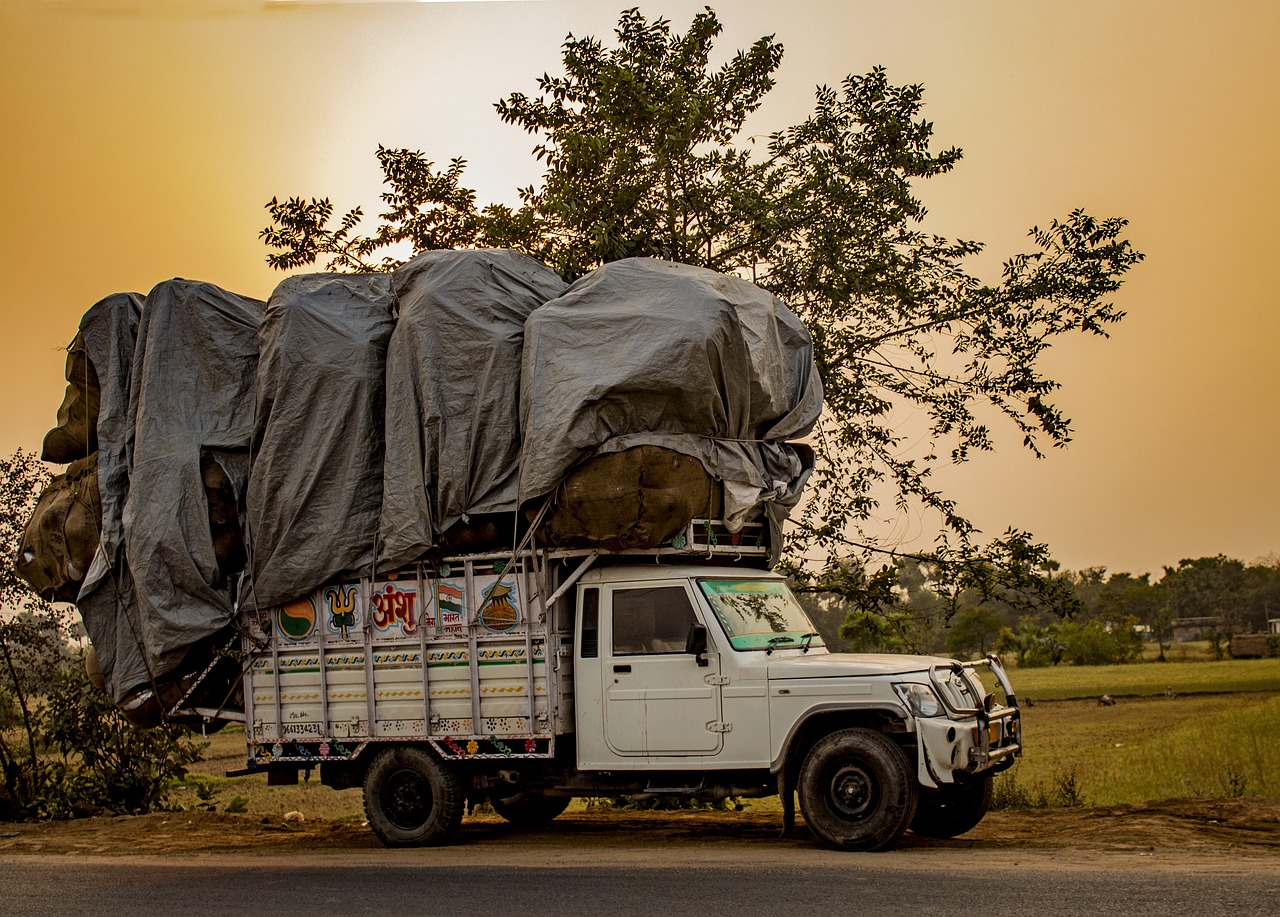
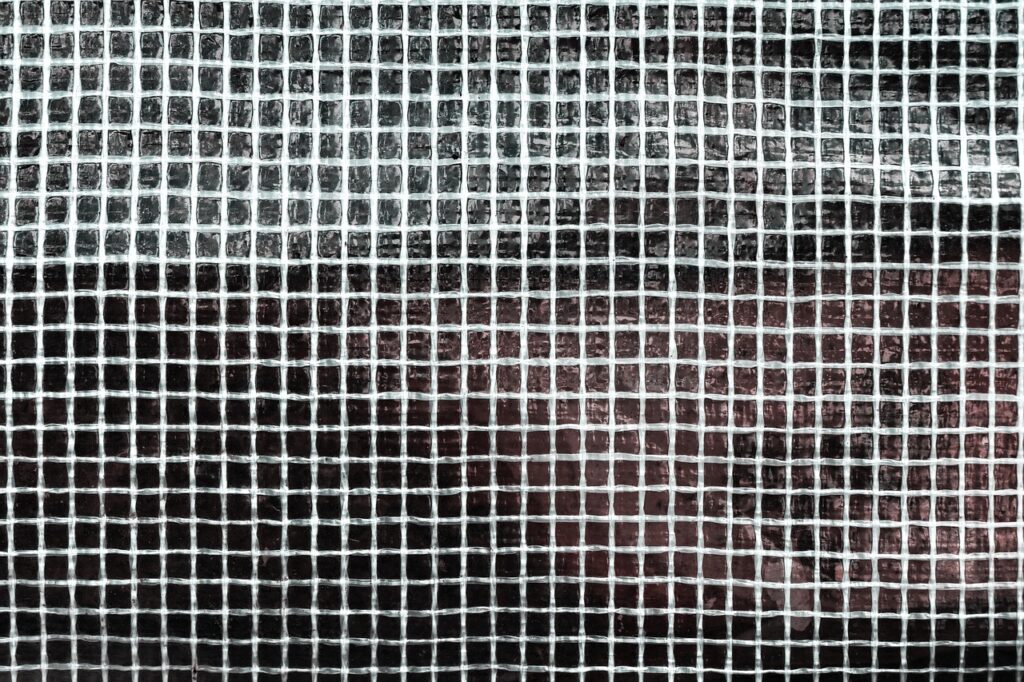
In coated textile terminology, denier describes yarn fineness. A 1000D yarn is heavier than lower-denier yarns commonly used in lighter covers, which can support higher strength when the fabric construction and coating are designed correctly. A tarpaulin structure normally combines a woven polyester scrim with PVC coating on one or both sides. The polyester base contributes tensile strength, tear resistance and dimensional stability, while the PVC coating provides waterproofing, surface protection, weldability, color and resistance to dirt or weathering.
This distinction matters because the market often uses short labels such as 1000D tarp, 1000D coated polyester or 1000D PVC fabric. These labels are useful for quick classification, but they do not replace a data sheet. Buyers comparing rolls, fabricated covers or finished shelters should treat 1000D as the starting point of the specification, not the complete answer.
Why denier alone does not define performance
A 1000D PVC tarpaulin can be engineered as a flexible cover fabric, a heavy truck-cover material, a tent fabric or a reinforced industrial membrane. Its final behavior depends on several variables working together. That is why fabrics described as 1000D can still differ in hand feel, bending stiffness, roll weight, welding behavior and long-term durability.
Finished weight and coating add-on
Finished weight, usually expressed in grams per square meter, includes both the base fabric and the PVC coating. A heavier coating may improve waterproofing, abrasion resistance and visual coverage, but it can also increase roll weight and stiffness. A lighter construction may be easier to handle and fold, but may not provide enough surface protection for rough use.
There is no single universal GSM for 1000D PVC tarpaulin. Supplier data sheets commonly place 1000D coated polyester in mid-to-heavy industrial ranges, but the exact weight should be checked against the intended use and the stated performance values.
Weave density and yarn construction
The same 1000D yarn can be woven at different warp and weft densities. A tighter construction can improve dimensional stability and resistance to tearing, while a looser construction may reduce cost and weight. Yarn tenacity, twist and weaving quality also affect the result. For demanding covers, the weave specification is as important as the denier number because it shows how much reinforcing yarn is actually present in the fabric.
Tensile strength, tear strength and adhesion
Tensile strength measures resistance to being pulled apart. Tear strength measures resistance to a cut or puncture growing under load. Coating adhesion measures how well the PVC layer bonds to the polyester base. These properties are not interchangeable. A fabric can have good tensile strength but still perform poorly if the coating peels, if tears propagate quickly or if welded seams fail before the fabric body reaches its rated strength.
Recognized test methods make comparisons more reliable. ASTM D751 is used for coated fabrics and includes test methods relevant to products such as tarpaulins. ISO 1421 is commonly referenced for tensile testing of rubber- or plastics-coated fabrics, and ISO 4674 is commonly referenced for tear testing. For flame propagation, NFPA 701 is a frequently cited standard for textiles and films in applications where fire performance is required. These standards should be listed with the exact edition, test condition and result, not used only as marketing claims.
Where 1000D PVC tarpaulin is commonly used
Because it belongs to the heavy-duty coated fabric category, 1000D PVC tarpaulin is often selected for applications that need more strength than light economy covers but do not always require the stiffest high-denier membrane. Typical uses include truck side curtains, trailer covers, machinery covers, outdoor storage covers, temporary shelters, industrial partitions, agricultural covers, inflatable structures and protective fabric systems.
For vehicle and logistics covers, key requirements include tear resistance, abrasion resistance, welding quality, edge reinforcement and stability under wind movement. For tents and temporary structures, waterproofing, flame performance, seam strength and repeated handling become more important. For industrial covers, chemical exposure, oil contact, UV exposure, temperature range and cleaning method may be decisive. For inflatables or air-supported structures, air retention and weld consistency are critical in addition to base fabric strength.
The selection logic should therefore start with the application. A roll described as 1000D may be suitable for one cover and unsuitable for another if the surface finish, flame-retardant package, cold flexibility or seam performance does not match the use environment. Readers comparing coated fabrics can also browse related material discussions in the Coatings section.
Specification checklist for buyers and fabricators
A useful 1000D PVC tarpaulin specification should make the fabric measurable. The following checklist helps purchasing teams, fabricators and technical editors compare options without relying on vague grade names.
| Specification item | Why it matters | What to request |
|---|---|---|
| Base fabric | Confirms the yarn size and reinforcing structure behind the coating. | 1000D polyester, warp and weft yarn details, weave density. |
| Finished weight | Affects strength, handling, roll logistics and cost. | GSM value with tolerance, not only light, heavy or premium wording. |
| Coating type | Controls waterproofing, weldability, color and surface durability. | PVC coating method, one-side or two-side coating, lacquer or surface treatment if used. |
| Tensile strength | Indicates resistance to pulling force during use and fabrication. | Warp and weft values with test method, such as ASTM D751 or ISO 1421. |
| Tear strength | Shows how the fabric resists puncture growth and edge damage. | Warp and weft values with test method, such as ISO 4674 or an equivalent stated method. |
| Coating adhesion | Helps predict peeling, delamination and welding reliability. | Adhesion value, test method and whether the result is before or after aging. |
| Flame performance | Required in many public, tent, event or regulated applications. | Applicable flame test, edition, classification and certificate scope. |
| Weathering and UV resistance | Important for covers exposed to sunlight and outdoor aging. | UV additive package, exposure test method, colorfastness or aging data where available. |
| Temperature range | Cold cracking and heat softening can affect field performance. | Service temperature claim and test basis, especially for cold climates. |
| Fabrication guidance | Finished-cover strength depends heavily on seams and reinforcements. | Recommended welding method, seam width, overlap, edge reinforcement and hardware guidance. |
This table also shows why price comparisons can be misleading. A low quote may be based on lighter finished weight, lower coating add-on, weaker adhesion, no flame treatment or limited quality documentation. A higher price is justified only when the supplier can provide measurable performance data that matters to the application.
1000D PVC tarpaulin compared with lighter and heavier options
Compared with light PE tarps or lower-denier coated fabrics, 1000D PVC tarpaulin usually offers better tensile strength, tear resistance, weldability and reusability. It is also more suitable for fabricated covers that need welded seams, reinforced edges and repeated installation. PE tarpaulins remain useful for short-term, low-cost protection, but they are generally not the same category as a PVC-coated polyester industrial fabric.
Compared with 1300D or 1680D PVC-coated polyester, 1000D can be easier to handle and may offer a better balance between strength, flexibility and cost. Heavier denier options may be selected for higher loads, harsher abrasion or larger membrane spans, but yarn mass does not automatically translate into the same percentage increase in finished-fabric strength. Coating adhesion, weave density, surface treatment and seam design still control real performance. See also: Applications.
For many industrial covers, 1000D is a practical middle ground. It can be strong enough for repeated outdoor use while remaining manageable for cutting, welding, rolling and field installation. The best choice depends on whether the main failure risk is tensile overload, puncture growth, UV aging, seam failure, coating cracking or poor attachment design. Identifying the likely failure mode is more useful than choosing by denier alone.
Fabrication, maintenance and service limitations
Finished cover performance is not determined only by the roll fabric. Cutting layout, heat welding, high-frequency welding, sewing, eyelets, webbing, corner patches and edge reinforcement can preserve or reduce the fabric’s rated strength. A strong 1000D PVC tarpaulin may fail early if grommets are placed too close to the edge, if sharp hardware contacts the surface or if the cover is tensioned unevenly.
Welded seams are common because PVC coating can be fused under controlled heat or radio-frequency energy. The process must match the coating formulation and fabric thickness. Too little heat can produce weak seams; too much heat can damage the coating or distort the base cloth. When a cover will be exposed to high wind, repeated folding or mechanical pulling, seam testing and reinforcement details should be part of the specification.
Maintenance also affects service life. Dirt, oils, trapped moisture and sharp debris can accelerate wear. Covers should be cleaned with methods compatible with the coating, dried before long storage where possible and folded or rolled in a way that avoids repeated sharp creases. If flame-retardant performance is required, aggressive cleaning, repainting or aftermarket coating should be avoided unless the compliance effect is confirmed by testing. Standards such as NFPA 701 evaluate flame propagation under defined material and test conditions, so assumptions after modification can be risky.
There are also service limitations. PVC-coated fabrics can stiffen in cold conditions, soften under heat, discolor under long UV exposure or be damaged by incompatible solvents. They are water-resistant or waterproof as materials, but a finished cover can still leak at seams, punctures, poorly sealed edges or attachment points. These limitations do not make 1000D PVC tarpaulin unsuitable; they mean the finished system must be designed, fabricated and maintained as a system.
How to write a practical purchase specification
A practical purchase specification should combine material identity, performance values and intended use. Instead of asking only for 1000D PVC tarpaulin, a clearer request would include base fabric, finished weight, coating construction, tensile strength, tear strength, adhesion, color, flame requirement, UV requirement, roll width, surface finish and fabrication method. If the material will be used for public tents, transport covers or regulated sites, the relevant certificates should be requested before purchase.
It is also useful to separate required properties from optional preferences. Flame performance may be mandatory for an event structure, while color may be flexible. UV resistance may be mandatory for long-term outdoor covers, while high gloss may be cosmetic. This prevents the buying process from focusing on easy-to-see features while missing properties that affect safety and service life.
The editorial conclusion is straightforward: 1000D is a useful shorthand, but it is not a quality grade on its own. The strongest specification connects the denier label to measurable coated-fabric performance and to the real environment where the finished cover will be used.
Frequently asked questions
Is 1000D PVC tarpaulin waterproof?
The coated fabric itself is typically designed to resist water penetration because the polyester base is covered with PVC. However, a finished cover can still leak at seams, punctures, cut edges or poorly sealed attachment points. Waterproof performance should therefore be checked at both material and fabrication level.
Is higher GSM always better?
No. Higher GSM can mean more coating and potentially better abrasion resistance, but it can also increase stiffness, handling difficulty and cost. The right GSM depends on the application, expected load, folding frequency, welding method and service environment.
Can 1000D PVC tarpaulin be flame retardant?
Yes, it can be produced with flame-retardant properties, but this must be verified by a relevant test report. For public venues, tents or event structures, buyers should request the exact test standard, edition, classification and material description covered by the certificate.
What is the difference between 1000D and 1680D PVC fabric?
1680D uses heavier yarn than 1000D, but finished performance does not increase only by yarn size. Weave density, coating weight, adhesion, additives and seam design also affect strength and durability. 1000D may be sufficient where flexibility and handling are important, while heavier deniers may suit more severe mechanical loads.
What should be checked before ordering 1000D PVC tarpaulin?
Check base fabric details, finished weight, tensile and tear values, coating adhesion, flame or UV requirements, roll width, color tolerance, welding suitability and certificate scope. If the material will become a fabricated cover, also confirm seam method, edge reinforcement and hardware design.