How to choose coated canvas fabric by the yard for industrial and outdoor projects
What buyers need to know first
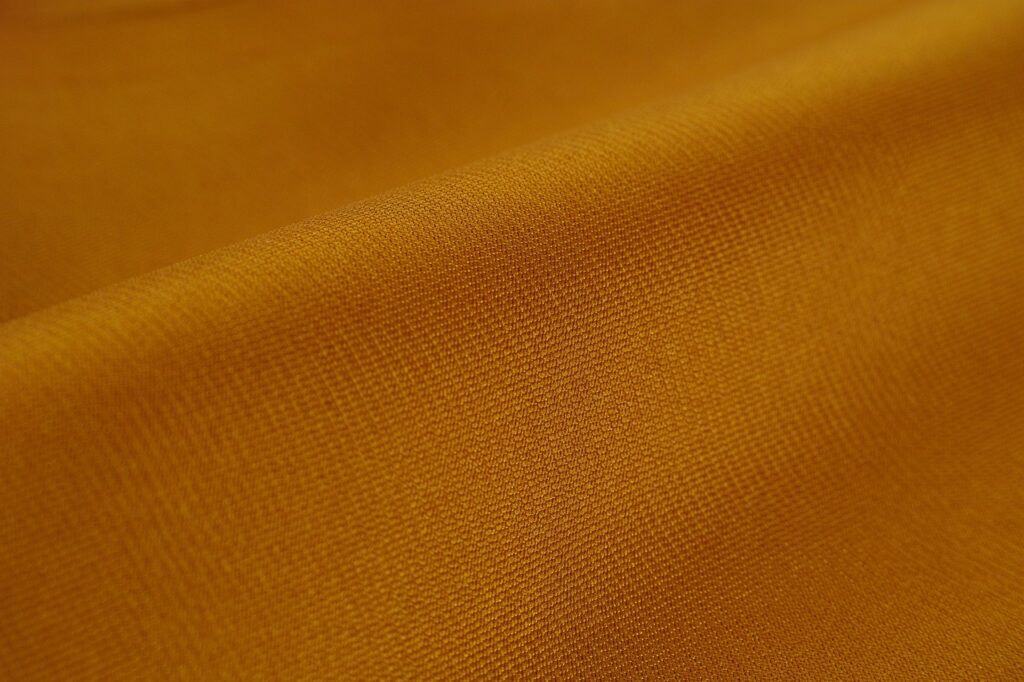
Coated canvas fabric by the yard is not one fixed material. It is a category of woven base fabrics, usually cotton, polyester, nylon or blends, combined with a coating or finish that changes surface performance. Depending on the construction, the coating may improve water resistance, abrasion resistance, cleanability, dimensional stability, flame behavior, UV durability or appearance.
For buyers, the key question is not simply whether a canvas is coated. The important points are the base fabric, coating type, finished weight, surface finish, roll width and test requirements that fit the end use. Two coated canvases can look similar on the roll but perform very differently after cutting, sewing, folding, welding, outdoor exposure or repeated cleaning.

A tote bag, truck cover, awning, protective apron and outdoor equipment cover do not need the same specification. A practical buying process starts with the application, then checks substrate, coating chemistry, performance data, roll width, yardage planning and fabrication limits.
What coated canvas fabric by the yard means
Canvas traditionally refers to a durable woven fabric with a firm construction. In commercial sourcing, the term can include cotton duck, polyester canvas, nylon canvas and blended fabrics in different weights and weave densities. When canvas is coated, a polymer layer or finish is applied to one or both sides to change the fabric’s surface and performance.
The phrase “by the yard” means the material is sold in cut lengths rather than only as finished products. This format is common for designers, workshops, fabricators, upholstery teams, small manufacturers and repair businesses that need flexible quantities. However, yardage is only a length measurement. It does not confirm width, usable width, coating thickness, roll consistency, shade control, edge quality or compliance with a test standard.
In textile sourcing, coated canvas sits between soft woven fabrics and engineered coated technical textiles. It may still be cut and sewn like a fabric, but the coating can make it stiffer, less breathable, harder to needle cleanly or more sensitive to heat and folding. For related industry coverage on coating methods and coated textile categories, readers can also explore the Coatings section.
Common coating types and how they change performance
Coating chemistry has a direct effect on hand feel, weather behavior, durability, price level and fabrication method. Product names vary by supplier, so buyers should ask for the coating type and technical data instead of relying only on broad marketing descriptions.
Acrylic coated canvas
Acrylic coatings are often used when color, textile-like hand and weather resistance matter. They can help improve water repellency and surface appearance while keeping the fabric less plastic-like than heavy rubberized or PVC-coated constructions. Acrylic-coated canvas may be used for awnings, casual outdoor covers, bags and decorative applications. Final performance still depends on coating add-on, fabric construction and the finishing process.
PVC coated canvas
PVC-coated canvas is commonly specified when a tougher, more waterproof surface is required. It can provide strong resistance to water penetration, dirt and abrasion, and it is widely used in tarpaulins, protective covers, industrial curtains and transport-related fabrics. PVC can be formulated with plasticizers, stabilizers, pigments and other additives, so performance can vary substantially. Buyers should confirm flexibility at expected temperatures, odor requirements, flame-retardant requirements and whether the fabric will be sewn, heat sealed or welded.
PU coated canvas
Polyurethane, often shortened to PU, is valued in many textile applications for flexibility, softer hand and abrasion-related performance. PU-coated canvas may be selected when a buyer wants a lighter or more flexible alternative to heavier PVC constructions. It can be relevant for bags, apparel accessories, protective coverings and specialty sewn goods. The right choice depends on hydrolysis resistance, coating thickness, cleaning exposure and whether the finished article will be folded frequently.
Waxed and oil-finished canvas
Waxed canvas is a familiar option for heritage-style bags, aprons, outdoor gear and fashion accessories. Instead of forming a smooth plastic-like coating, wax impregnation changes the surface, hand and water-shedding behavior of the fabric. It can develop marks and patina with use, which some buyers want for appearance. The trade-off is that waxed canvas may require maintenance, can transfer residue under certain conditions and should not be treated as the same type of material as a fully waterproof technical coated fabric.
Silicone and specialty coated canvas
Specialty coatings, including silicone-based and hybrid systems, may be used for heat resistance, release properties, flexibility, chemical exposure or other technical end uses. These materials are usually specification-driven and should not be selected by appearance alone. When specialty coatings are involved, buyers should request performance data, processing guidance and confirmation that the coating suits the intended fabrication method.
Specifications to check before buying yardage
A coated canvas listing can contain many numbers, but not every number carries the same importance for every project. A useful specification sheet connects the material properties to the actual risk: tearing, leaking, fading, cracking, staining, shrinking, burning, delaminating or failing at seams.
| Specification | Why it matters | What to ask |
|---|---|---|
| Base fiber | Influences strength, shrinkage, moisture behavior and price | Is it cotton, polyester, nylon or a blend? |
| Fabric weight | Affects durability, drape, shipping weight and sewing difficulty | Is weight stated before or after coating? |
| Roll width | Controls pattern layout, seam count and yield | What is the nominal and usable width? |
| Coating side | Changes appearance, friction, waterproofing and fabrication | Is it coated on one side or both sides? |
| Water resistance | Critical for covers, outdoor use and wet cleaning | Which test method and performance value are provided? |
| Tear and tensile strength | Important for covers under wind, load or repeated handling | Are values reported in warp and weft directions? |
| Flame behavior | May be required for public spaces, tents, awnings or industrial use | Which standard is specified and is the current edition confirmed? |
| Colorfastness and UV resistance | Important for outdoor and visible products | What exposure or colorfastness test supports the claim? |
Industry specifications often refer to test methods from organizations such as ASTM International, ISO, AATCC, NFPA or European standards bodies. Because standards are updated and regional requirements differ, buyers should confirm the current edition, the exact test method and whether the reported result applies to the same fabric construction and finish being purchased.
How to match coated canvas to common applications
The most reliable way to choose coated canvas fabric by the yard is to start with the use case. A lighter, flexible coated canvas may work well for a bag panel but fail on a cover pulled over sharp corners. A heavy waterproof coated fabric may be durable outdoors but too stiff for the available sewing equipment or unsuitable for a product that needs a soft hand.
Bags, aprons and small sewn goods
For bags, aprons, organizers and accessories, buyers usually balance durability with sewability and appearance. Important factors include fabric hand, crease behavior, needle marking, coating recovery after folding and whether the coating will scuff during use. Waxed canvas, PU-coated canvas and lighter acrylic-coated constructions may all be relevant, depending on the desired finish. For bags that touch clothing, color transfer and odor should also be considered.
Outdoor covers and tarps
Outdoor covers require closer attention to water resistance, UV exposure, dimensional stability, tear strength and seam design. The fabric surface may resist water, but needle holes, seams, hems, grommets and fabric tension can still become failure points. PVC-coated canvas and other heavier coated constructions are often considered for these applications. Buyers should not assume that “water resistant” means suitable for long-term pooling water or severe weather exposure.
Awnings, canopies and shade products
Awnings and shade structures need a combination of weathering performance, color stability, mildew resistance, flame behavior and dimensional stability. Because these products may be installed in public or commercial areas, compliance requirements can be more demanding than for personal craft use. The fabric choice should be checked against local building, fire and installation requirements before purchase. See also: Applications.
Industrial curtains, partitions and protective barriers
Industrial uses may require abrasion resistance, chemical compatibility, flame-retardant behavior, cleanability or welding performance. In these cases, the coating surface can be more important than the traditional canvas feel. Buyers should tell the supplier where the material will be used, which cleaning chemicals may be applied, the expected temperature range and the likely mechanical stress, so the specification can be reviewed realistically.
Yardage planning, roll width and fabrication issues
Buying by the yard looks straightforward, but coated fabrics need more planning than ordinary apparel fabric. Roll width is the first variable. A fabric listed as 60 inches wide may have a narrower usable width if the edges are distorted, heavily coated, curled or affected by selvage marks. Large covers, awnings and panels should be planned by usable width, not nominal width alone.
Pattern layout also matters. Coated canvas may have a face side, grain direction, shade direction or surface texture that makes random cutting risky. If panels are cut in different directions, the finished product may show visible shade or gloss variation. When color matching matters, fabric from the same lot should be used where possible, and replacement yardage should be checked before it is mixed with old stock.
Seam design deserves special attention. Some coated canvas can be sewn with industrial machines, while heavier coated fabrics may require specialized needles, thread, walking-foot equipment, seam sealing or heat welding. Sewing creates holes that can reduce water resistance unless the seam is designed and sealed properly. Weldable coated fabrics may create stronger water-resistant joins, but only when the coating chemistry and equipment are compatible.
Buyers should also allow for testing, cutting waste, defects, shrinkage, pattern matching, hems and rework. A small sample can confirm color and hand feel, but a production roll may reveal other issues such as roll memory, coating streaks or thickness variation. For critical applications, sample approval should include cutting, sewing, folding, cleaning and exposure checks that resemble real use.
Quality questions to ask before placing an order
Before buying coated canvas fabric by the yard, buyers should ask practical questions that connect the material to the finished product. These checks reduce the risk of ordering a fabric that looks acceptable but fails during fabrication or service.
- What is the base fabric, and what is the coating chemistry?
- Is the weight reported as base fabric weight or finished coated weight?
- Is the fabric coated on one side, both sides or impregnated through the structure?
- What is the nominal roll width and the guaranteed usable width?
- Which performance tests are available for water resistance, tear strength, tensile strength, abrasion, flame behavior, colorfastness or UV exposure?
- Is the material intended for sewing, welding, adhesive bonding or a combination of methods?
- Does the coating remain flexible in the expected temperature range?
- Are there cleaning restrictions, solvent restrictions or storage limitations?
- Are color, gloss and texture controlled by lot?
- Can a sample be tested with the same equipment and seam construction planned for production?
These questions are especially important when a project involves safety, outdoor exposure or public-use requirements. If a supplier cannot provide the needed information, the safer approach is to treat the material as decorative or light-duty until performance is verified.
Frequently asked questions
Is coated canvas waterproof?
Some coated canvas fabrics can be highly water resistant or effectively waterproof at the fabric surface, but this depends on the coating, thickness, test method and finished construction. Seams, needle holes, edges and prolonged water pooling can reduce real-world protection. Buyers should ask for a water resistance test result and evaluate the finished item, not only the uncut fabric.
Is coated canvas better than uncoated canvas?
Coated canvas is better only when the project needs properties created by the coating, such as water resistance, easier cleaning, added abrasion resistance or a specific surface appearance. Uncoated canvas may be more breathable, easier to sew, easier to dye or more suitable for soft goods. The better choice depends on the application, not the material name.
Can coated canvas fabric by the yard be sewn on a home machine?
Light to medium coated canvas may be sewn on some strong home machines, but heavy PVC-coated or industrial coated canvas often requires industrial equipment. Thickness at seams, needle penetration, feed marks and thread selection can create problems. Testing a sample with the intended machine is the most practical way to confirm sewability.
How should coated canvas be stored?
Coated canvas should usually be stored clean, dry and away from excessive heat, direct sunlight and sharp folding. Rolling is often safer than tight creasing, especially for heavier coatings that may develop permanent marks. Storage guidance can vary by coating type, so supplier instructions should be followed when available.
What is the difference between waxed canvas and PVC-coated canvas?
Waxed canvas uses wax treatment to create a water-shedding surface with a distinctive feel and patina. PVC-coated canvas uses a polymer coating that can create a more continuous, durable and water-resistant surface for covers and industrial uses. Waxed canvas is often chosen for appearance and traditional styling, while PVC-coated canvas is often selected for heavier-duty protection.
Final buying guidance
For most buyers, the strongest approach is to write a short performance brief before comparing yardage options. The brief should list the final product, indoor or outdoor use, expected service life, exposure to water and sunlight, cleaning method, seam construction, flame or compliance requirements, preferred hand feel and minimum roll width. Once those details are clear, coated canvas fabric by the yard becomes easier to compare on performance rather than vague labels.
The main point is to treat the coating as an engineering choice, not just a finish. Base fabric, coating chemistry, weight, width, test data and fabrication method all affect the final result. A well-selected coated canvas can make a product more durable, easier to clean, more weather resistant and more visually consistent. A poorly matched one can crack, leak, stain, stretch, delaminate or become too difficult to fabricate. Careful specification before purchase is the simplest way to avoid those problems.