Silicone impregnated ripstop nylon for lightweight waterproof textiles
What the fabric is and why it matters
Silicone impregnated ripstop nylon is a lightweight technical textile used when water resistance, tear control, flexibility and packability matter more than breathability. It starts with a nylon ripstop base fabric, then silicone is applied so it penetrates and coats the yarn structure. In the outdoor and industrial textile market, this construction is commonly known as silnylon.
Typical applications include tent flies, tarps, bivy covers, rain covers, stuff sacks, kites and other lightweight weather-protection products. The name, however, does not define performance by itself. Denier, weave density, finished weight, coating chemistry, hydrostatic pressure, tear strength, seam design and flame-resistance requirements all need to be checked before a fabric is approved.
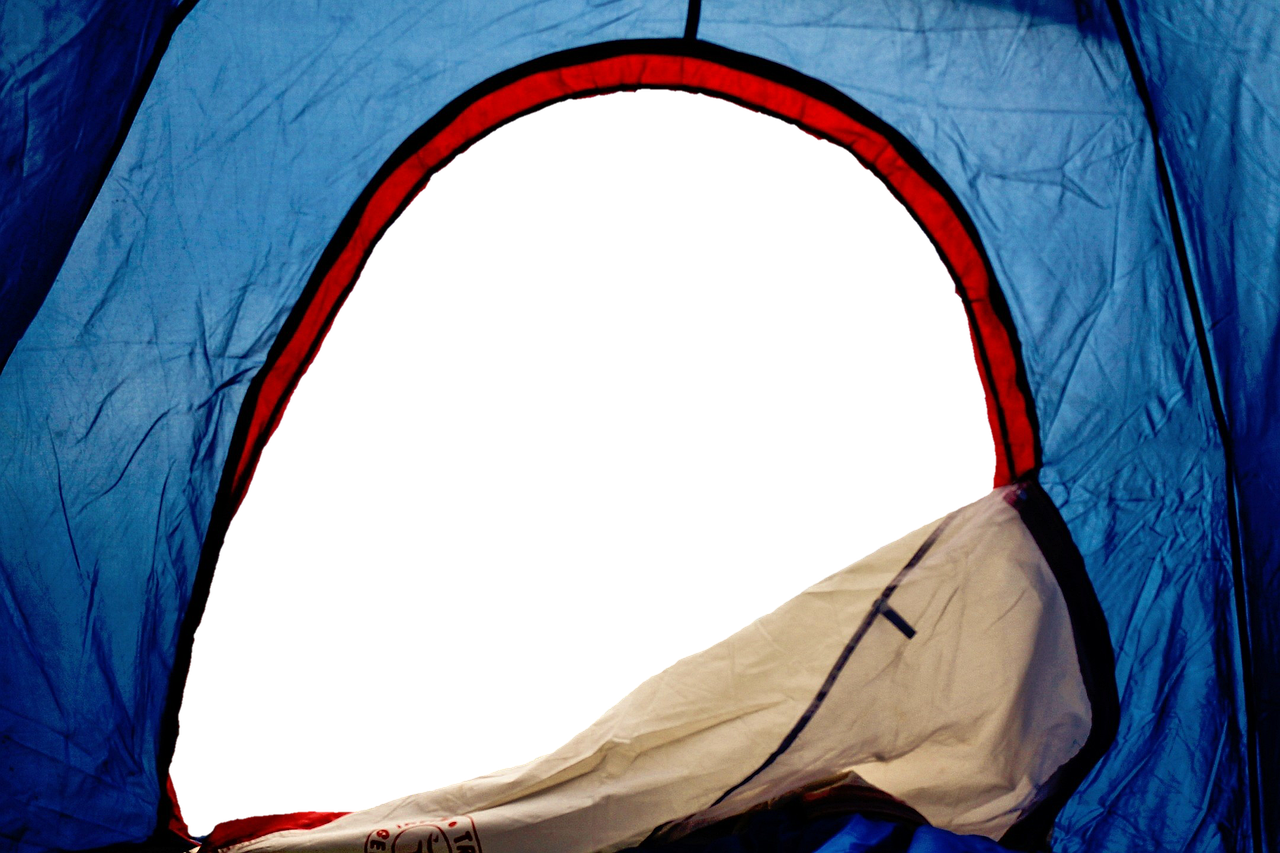
The main attraction is the performance-to-weight balance. Silicone impregnated ripstop nylon can provide useful water resistance and tear performance at a low fabric weight, which is difficult to achieve with an uncoated nylon. It can also behave differently from polyurethane-coated nylon, even when the two fabrics use a similar ripstop base. For sourcing and product development, the practical question is not whether silnylon is good or bad. It is whether a specific construction fits the pressure, exposure, seam method, compliance requirements and durability target of the finished product.
How silicone changes a ripstop nylon fabric
The ripstop base controls tear propagation
Ripstop nylon is woven with stronger reinforcement yarns at regular intervals, creating the familiar grid pattern. The grid does not make the fabric puncture-proof or cut-proof, but it helps interrupt a tear path and limit tear growth compared with a plain lightweight weave. In a coated fabric, the base still matters. Yarn denier, filament quality, grid spacing, weave balance and fabric density influence tensile strength, tear strength, hand feel, dimensional stability and coating pickup.
Very light constructions, including low-denier ripstop nylons, can work well for packable tarps and covers. They are less tolerant of abrasion, sharp edges and repeated high-load use. Heavier deniers usually improve robustness, but they also add packed volume and weight. A useful specification should therefore state target fabric weight and strength values rather than relying only on labels such as ultralight or heavy duty.
The silicone finish adds a flexible barrier
Silicone impregnation is different from applying a stiff film to one side of the fabric. In many silnylon constructions, silicone penetrates around the yarns and is also present on the fabric faces. This creates a flexible, hydrophobic barrier while keeping the textile soft and packable. Double-sided silicone fabrics are often called sil/sil constructions. Hybrid fabrics may use silicone on one face and polyurethane or polyether urethane on the other, especially when seam taping or specific manufacturing steps are required.
Fully silicone-treated surfaces are slippery and difficult for ordinary adhesives and tapes to bond to. This is one of the most important practical trade-offs. A sil/sil tarp or tent fly may need a liquid silicone-compatible seam sealant after sewing, while a hybrid sil/PU fabric may allow seam tape on the polyurethane side. The right choice depends on whether the manufacturer prioritizes tear performance, factory seam taping, repair simplicity, production speed or cost control.
Performance strengths and limits to evaluate
Silicone impregnated ripstop nylon is often selected for a strong performance-to-weight profile, but the advantages are not automatic. Public fabric specifications show that hydrostatic head values, finished weights and tear values can vary widely between suppliers and coating systems. Buyers should treat every claim as construction-specific and request test data for the actual lot or agreed production standard.
| Performance area | What silicone impregnated ripstop nylon can offer | What to verify |
|---|---|---|
| Water resistance | Silicone can create a durable water barrier suitable for many shelters, tarps and covers. | Hydrostatic pressure test method, minimum value, aging condition and whether seams are included. |
| Tear behavior | The ripstop grid and flexible silicone treatment can help resist tear propagation at low weight. | Warp and weft tear strength, test method and performance after UV, heat or flex exposure. |
| Packability | The fabric can remain soft, compressible and suitable for lightweight gear. | Finished weight, coating add-on, hand feel and coating uniformity. |
| Dimensional stability | Useful for tensioned panels when patterning is designed correctly. | Nylon stretch under humidity and load, especially for tents and tarps that must stay taut. |
| Seam construction | Sewn seams can be strong when stitch type and reinforcement are appropriate. | Needle-hole leakage, seam sealant compatibility and whether seam tape is possible. |
| Breathability | Low air permeability can help block wind and rain. | Condensation risk, because coated silnylon is generally not a breathable apparel membrane. |
| Fire performance | Flame-resistant versions may be developed for tent markets. | Applicable CPAI-84, ASTM D6413 or market-specific documentation when required. |
Standards help turn marketing language into comparable data. ISO 811 is commonly used for resistance to water penetration by hydrostatic pressure. ASTM D751 covers a range of coated-fabric evaluations, including dimensions, mass, breaking strength, tearing strength, hydrostatic resistance, coating adhesion, seam strength and aging-related checks. For camping tentage, the U.S. Consumer Product Safety Commission identifies CPAI-84 as a voluntary flammability testing protocol for general-use camping tents. These references do not make one fabric universally suitable; they define what should be measured and how results can be compared.
Where the material fits best
Silicone impregnated ripstop nylon is a natural fit for products that need a light, waterproof or highly water-resistant shell but do not require moisture vapor transmission. Common examples include tent flies, shaped tarps, groundsheet accessories, bivy covers, pack covers, dry-bag style liners, lightweight protective covers, kites, windsocks and certain inflatable or air-retention components where the coating system is suitable.
- Outdoor shelters: Low weight and packability make silnylon attractive for backpacking tents and tarps, but designers must account for fabric stretch, panel tension and seam sealing.
- Protective covers: The fabric can be useful for covers that need water shedding and compact storage, provided abrasion exposure is moderate.
- Bags and sacks: Lightweight stuff sacks and rain covers benefit from the low bulk, although high-wear corners may need reinforcement.
- Kites and air structures: A light ripstop base with a flexible coating can support applications where tear control and low mass are important.
It is less suitable when a textile must breathe like a performance garment membrane, accept standard seam tape without a compatible inner face, resist heavy abrasion without reinforcement, or meet flame-resistance rules without verified treatment. For wider reading on coating technologies and textile finishing topics, see the Coatings section.
Silicone, polyurethane and hybrid coatings compared
Silicone and polyurethane are both used to make nylon ripstop fabrics water resistant, but they behave differently in production and end use. A fully silicone-treated nylon often feels supple and can maintain strong tear performance at low weight. It is also difficult to bond with conventional seam tapes and may require silicone-based sealants. A polyurethane-coated nylon is often easier to seam tape and can be more straightforward in mass production, but the coating film may change the fabric hand and load distribution. Long-term durability also depends on the chemistry, storage conditions and exposure to heat, humidity and ultraviolet light. See also: Applications.
Hybrid sil/PU constructions are a practical compromise. A silicone face can improve water shedding and fabric feel, while a polyurethane or related inner coating can support seam tape or simplify manufacturing. The compromise is that the fabric should not be assumed to perform exactly like a pure sil/sil construction. Tear values, hydrostatic head, coating adhesion and aging resistance must be measured for the actual construction.
| Coating type | Typical advantage | Typical limitation | Best fit |
|---|---|---|---|
| Silicone on both sides | Flexible hand, low weight and strong tear-performance potential. | Difficult to seam tape; needs compatible sealant or bonding method. | Ultralight tarps, tent flies and applications where weight and tear resistance lead. |
| Polyurethane on one side | Can support seam tape and easier waterproof seam finishing. | May be less supple and should be checked for aging resistance. | Mass-produced rain covers, floors or tent parts where taped seams are required. |
| Silicone and PU hybrid | Balances water shedding, hand feel and seam-taping options. | Performance depends heavily on coating balance and quality control. | Outdoor gear requiring both lightweight fabric and production-friendly seams. |
How to specify and source the fabric
A clear specification is the best protection against inconsistent performance. The same phrase can describe a 10D ultralight shelter fabric, a 40D tarp fabric or a heavier industrial cover fabric. Buyers and product developers should define measurable requirements before discussing price.
| Specification item | What to request | Why it matters |
|---|---|---|
| Base yarn and denier | Nylon type, denier, filament description and ripstop grid spacing. | Controls strength, weight, tear behavior and fabric hand. |
| Finished weight | Weight per square meter or ounce per square yard after coating. | Allows comparison between similar-looking fabrics. |
| Coating construction | Sil/sil, sil/PU, coating side, coating add-on and color system. | Determines seam method, hand feel, water resistance and bonding compatibility. |
| Hydrostatic pressure | Initial value and aged value using a stated test method. | Confirms water-barrier performance under pressure. |
| Tear and tensile strength | Warp and weft values with test method and sample direction. | Prevents overreliance on denier or fabric weight alone. |
| Seam performance | Recommended stitch, reinforcement, seam strength and leakage test. | Finished products often fail at seams rather than in open fabric panels. |
| Aging resistance | Heat aging, cold flex, UV exposure or hydrolysis-related data where relevant. | Outdoor textiles must maintain performance after storage and use. |
| Compliance documents | Flammability, restricted-substance and market-specific reports when required. | Regulatory needs depend on application and destination market. |
Inspection should combine laboratory data with practical fabric checks. Look for coating streaks, pinholes, uneven gloss, blocking, tackiness, color variation, odor, edge curling and inconsistent width. For sewn goods, prototype panels should be tested after seam sealing or seam taping, not only as flat fabric. A fabric that performs well in a swatch can still fail if the stitch density is wrong, reinforcement patches are undersized or the seam finish is incompatible with the coating.
Frequently asked questions
Is silicone impregnated ripstop nylon waterproof?
It can be waterproof or highly water resistant, but the label alone is not proof. Hydrostatic pressure values vary by fabric weight, coating amount, coating uniformity and aging condition. For product decisions, request test data using a recognized method such as ISO 811 or ASTM D751 and confirm whether the figure applies to fresh fabric, aged fabric or finished seams.
Can silicone impregnated ripstop nylon be breathable?
In most coated shelter and cover applications, it should be treated as low-breathability or non-breathable. That is useful for blocking wind and rain, but it can create condensation in enclosed shelters or discomfort in garments. If vapor transmission is required, a different coating, membrane or laminated construction may be more appropriate.
Can silnylon seams be taped?
Fully silicone-coated surfaces are difficult for standard seam tape to bond to. Many sil/sil products use silicone-compatible liquid seam sealant instead. If factory seam taping is required, a hybrid construction with a polyurethane-compatible inner face may be a better option, but the supplier should confirm tape adhesion and seam leakage results.
Is silicone-treated ripstop nylon stronger than PU-coated nylon?
It can show stronger tear-performance potential at comparable weights, especially when the silicone treatment allows yarns to move and share load. However, this is not a universal rule. The only reliable comparison is side-by-side data for the specific fabric weight, base weave, coating system and test method.
What denier should be selected?
There is no single correct denier. Very light deniers are suitable for ultralight shelters and compact covers when abrasion is limited. Mid-range deniers can improve durability for tarps, rain covers and general outdoor accessories. Heavier constructions may be needed for repeated handling, rough surfaces or higher loads. The better question is what finished weight, tear strength, hydrostatic pressure and abrasion tolerance the final product requires.