What Are the Types of Basic Weaves and Which One Should You Choose
What Are the Types of Basic Weaves?
When buyers talk about types of basic weaves, they are really talking about how warp yarns and weft yarns cross each other. The three basic weaves are plain, twill, and satin. CottonWorks by Cotton Incorporated and the U.S. National Park Service both describe these three as the base structures used to build many named fabrics. In normal sourcing work, Oxford, basket weave, herringbone, chino, denim, sateen, and many dress fabrics are not just loose market names. Most of them come from one of these basic weave plans.
Fiber still has a big effect on the final fabric. Textile Exchange reported in its Materials Market Report 2025 that global fiber production reached about 132 million tonnes in 2024, with polyester at roughly 78 million tonnes and 59% of the market. This matters for buyers because the same weave will not feel the same in cotton, polyester, viscose, lyocell, or a blend. Weave gives the fabric its structure, while fiber and finishing decide much of the final hand feel.
Plain Weave as the Clean Starting Point
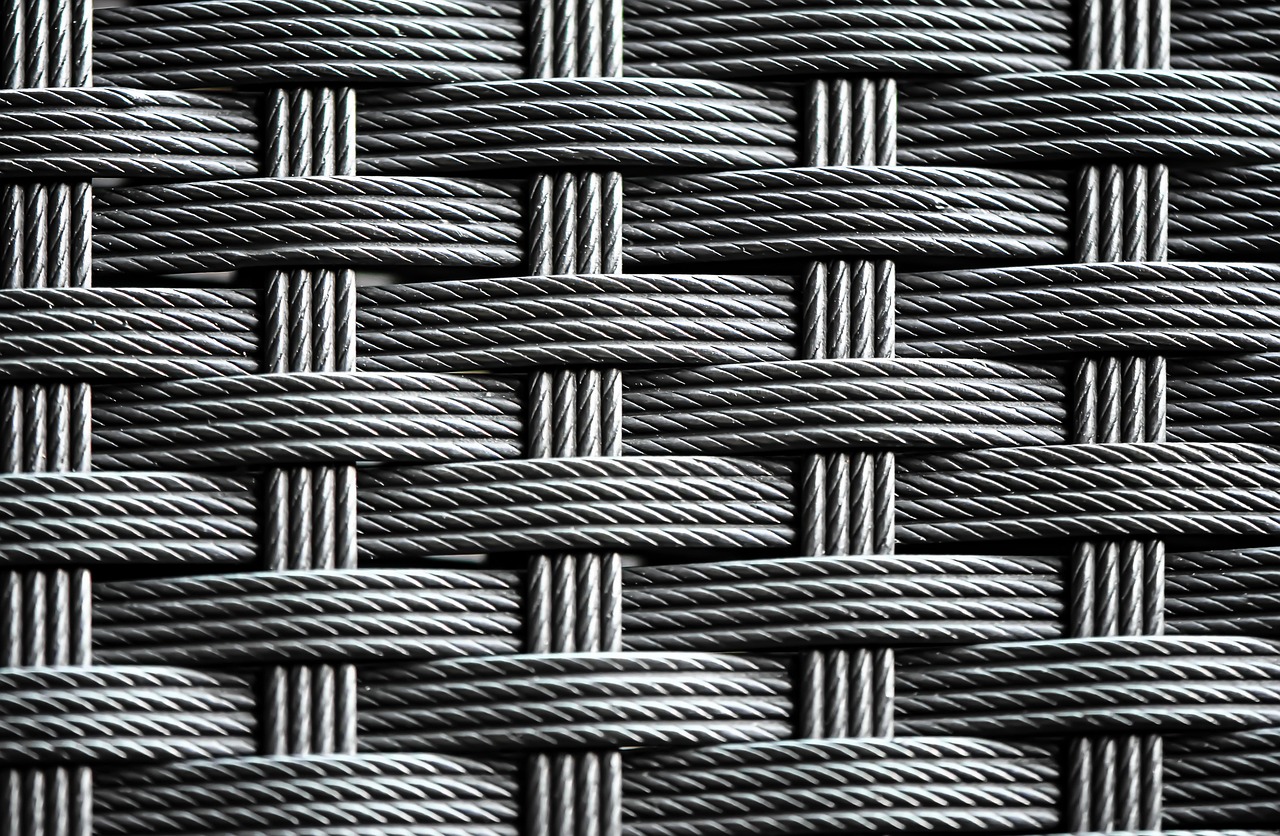
Plain weave is the most direct structure. One weft yarn goes over one warp yarn, then under the next, and the next pick follows the opposite path. CottonWorks notes that plain weave repeats on two ends and two picks, needing two harnesses. Under a magnifier, it looks even, simple, and easy to check.
Twill Weave as the Diagonal Workhorse
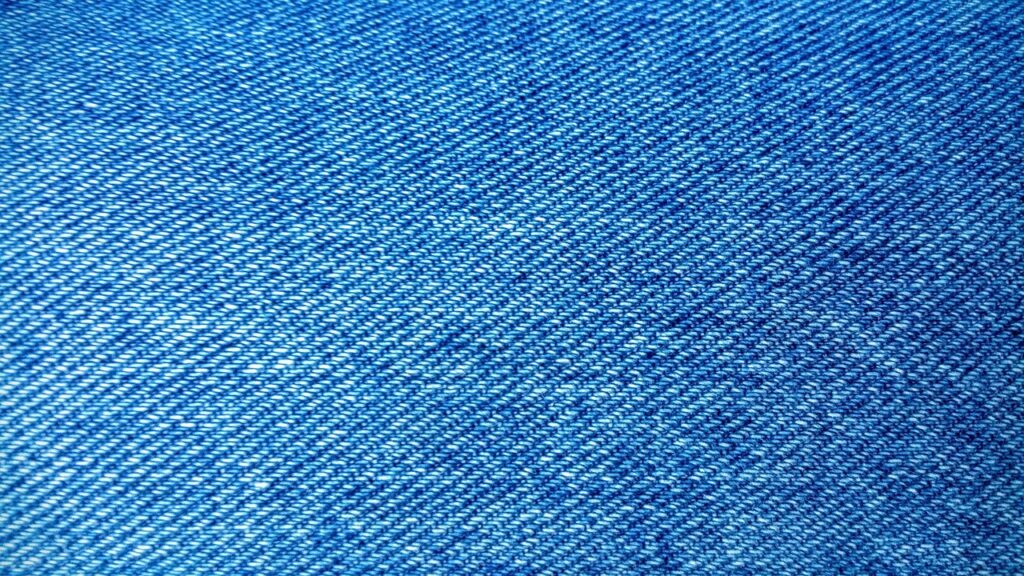
Twill changes the crossing order, so the fabric shows a diagonal line. The U.S. National Park Service says twill needs at least three harnesses. Denim is the example most people know first, but twill is also used in chino, gabardine, drill, and many uniform fabrics. This is why many mills treat twill as a regular option for medium and heavy fabrics.
Satin Weave as the Smooth Face Fabric
Satin uses longer floats and fewer visible crossing points. CottonWorks explains that the most common satin uses five harnesses, while some satin structures use more. The fabric face is usually smooth, bright, and soft in drape. It can look more dressed up, but it also needs closer control in production and use.
How Does Plain Weave Behave in Real Fabric?
Plain weave is often chosen when the order needs a stable fabric that cuts, sews, prints, and wears in a predictable way. It may look plain on a sample card, but many bulk orders need exactly that steady behavior. Buyers checking shirting, lining, pocketing, sheeting, or light canvas will see plain weave all the time.
High Interlacing and Firm Hand Feel
Plain weave has many crossover points, so the yarns hold each other in place. CottonWorks says plain weave tends to be stiffer, has less drape, and gives fewer problems with skew, seam slippage, picking, or snagging. This makes it a useful choice for neat shirts, simple bags, and printable fabric surfaces. It is also easier to explain to garment factories because the face and structure are not complicated.
Common Uses in Shirting and Home Textiles
The National Cotton Council lists gingham, percale, chambray, and batiste as plain weave examples. In real buying work, plain weave is common when the fabric needs a clean ground for checks, stripes, embroidery, or digital printing. It also works well with small repeated patterns. That helps when artwork needs to stay sharp after cutting and sewing.
Buyer Checks for Plain Weave Orders
Check yarn count, fabric weight, density, shrinkage, and opacity before bulk approval. Plain weave can feel too thin if the density is low, and it can feel too hard if the yarns are too coarse for the end use. For white shirting, place the swatch over a dark surface before you sign off. Transparency shows up quickly in this simple check.
Why Does Twill Weave Feel Stronger and More Drapey?
Twill often feels heavier and fuller than plain weave because its floats are longer and its surface is not as flat. It sits in a useful middle position: stronger looking than plain weave, less shiny than satin, and familiar to buyers in apparel, workwear, bags, and upholstery. When a fabric needs texture but should not look too dressy, twill is usually one of the first options to review.
Diagonal Ribs and Longer Floats
The diagonal rib is not a finish added later. It comes from the way the yarns interlace step by step. CottonWorks describes twills as left hand or right hand based on the direction of the line. This direction detail can change the look of garment panels, especially in dyed twills and denim.
Denim Chino and Workwear Examples
The National Cotton Council describes twill as the weave used for sturdy fabrics such as denim, gabardine, herringbone, and ticking. CottonWorks also notes that a 3 x 1 twill has longer floats and fewer interlacing points, giving higher tear strength. That is one reason heavier bottom weight fabrics often use this structure. It gives the cloth body without making it look too formal.
Key Risks in Twill Production
Twill is not better in every order. It can show skew, bow, shade variation along the diagonal, and face side differences. When ordering garments, ask the mill to mark face side clearly. A small cutting mistake can make one trouser leg catch light differently from the other, and buyers do notice this on finished goods.
When Should You Choose Satin or Sateen?
Satin is usually chosen when the surface look is important. It gives smoothness, sheen, and a softer fall than many plain or twill fabrics. For bedding, dresses, linings, decorative home textiles, and premium packaging cloth, that clean surface can improve the product feel. The long floats, however, need careful handling from weaving to packing.
Smooth Surface and Higher Sheen
CottonWorks explains that satin has irregular intersection points, so it does not create a twill line. The long floats form a flat surface with clear sheen. The National Cotton Council also describes satin as the least common of the three basic weaves, producing smooth fabric with high sheen. This is why satin is often checked first by look and touch, then by performance tests.
Luxury Bedding and Lining Uses
Sateen is often used when the satin structure is made with spun yarns such as cotton, rather than filament silk. CottonWorks points out that satin and sateen are often confused, but both depend on the same satin type structure. For cotton bedding, sateen usually feels softer and smoother than plain percale. Buyers still need to confirm weight, shrinkage, and pilling because a soft hand alone is not enough for repeat orders.
Snagging Seam Slip and Care Points
The trade off is surface durability. CottonWorks notes that satin fabrics can have problems with picking, snagging, skew, and seam slippage. If you source satin for garments, add seam strength and snagging checks to the approval process. For bedding, also check pilling and washing hand after repeated home laundry. See also: Applications.
How Do Basic Weaves Affect Sourcing Cost and Quality?
Price is not decided by weave alone, and no public source gives one fixed global surcharge for plain, twill, or satin. Quotes move with yarn count, fiber, width, loom type, order length, dyeing, finishing, inspection level, and market timing. Even so, weave structure does affect setup, weaving speed, defect risk, and testing work.
Harness Count and Loom Setup
Plain weave needs the simplest setup. Twill needs more harness control. Satin usually needs at least five harnesses, and some styles need more. CottonWorks states that more harnesses can mean more weaving expense. For a basic commodity fabric, the cost gap may be small, but for short runs it can show up in the quote.
Yarn Fiber and Finish Decisions
Textile Exchange reported in 2025 that around 34% of global cotton production came from certified sources in 2024. If your buyer asks for certified cotton, recycled polyester, or blended yarns, confirm fiber claims before choosing the weave. A good weave cannot cover weak yarn, poor dyeing, or a harsh resin finish. These problems will still come out in sewing, washing, or customer use.
Testing Standards and Inspection Points
Use test methods that match the final product. ASTM D5034 covers breaking strength and elongation by grab test, while ASTM D1424 covers Elmendorf tearing strength. ISO 12945-1:2020 covers pilling by pilling box, and AATCC TM8 is used for colorfastness to crocking. These names should sit in the quality file, not only in email discussions.
Which Basic Weave Fits Your Product Best?
The right weave is the one that matches the job of the product. A smooth swatch under showroom light can give the wrong impression if the final fabric must handle school uniforms, hotel laundry, backpack straps, or daily office wear. Start from the use case, then decide the structure, yarn, weight, and finish together.
Shirts Uniforms and Casual Apparel
For crisp shirts, plain weave, poplin, broadcloth, and Oxford styles are practical choices. For casual bottoms and uniforms, twill often gives a better mix of body, drape, and wear life. If the garment needs a soft shine, satin or sateen can work. Still, seam slip and snagging tests are worth the extra time before bulk cutting.
Bags Upholstery and Heavy Use Items
For bags and upholstery, pay attention to tear strength, abrasion, yarn density, and coating compatibility. Plain canvas can be very stable, while twill can add strength and flexibility. Satin is rarely the first pick for rough use unless it is decorative or protected by finishing, backing, or lamination. In these products, test results usually matter more than surface shine.
Bedding Drapery and Soft Goods
For bedding, plain percale feels cool and crisp, while sateen feels smoother and heavier in the hand. For drapery, twill can add body, and satin can add light play. Ask for wash results, shrinkage data, and shade approval under the same light used by the end customer. This avoids many small disputes after the goods arrive.
FAQ
Q1: What Are the Three Types of Basic Weaves? A: The three types of basic weaves are plain weave, twill weave, and satin weave. Most woven fabric names are variations or combinations of these three structures.
Q2: Which Basic Weave Is the Strongest? A: There is no single winner in every case. Plain weave is very stable because it has many interlacings. Twill, especially heavier 3 x 1 styles, can show strong tear performance. Fiber, yarn strength, density, and finishing also change the result.
Q3: Is Satin the Same as Sateen? A: Not exactly. Both use a satin type structure. In common textile language, satin often refers to a shiny fabric made with filament yarns, while sateen often refers to a satin structure made with spun yarns such as cotton.
Q4: Which Weave Is Best for Digital Printing? A: Plain weave is often a safe choice because the surface is stable and balanced. Very textured twills or shiny satins can still print well, but you should test sharp lines, color depth, crocking, and wash fastness first.
Q5: What Should You Ask a Supplier Before Ordering Woven Fabric? A: Ask for weave type, yarn count, fiber content, fabric weight, width, shrinkage, colorfastness, tensile strength, tear strength, pilling results, and bulk tolerance. A small approved swatch is useful, but a full test report tells you much more.