How Can You Choose the Best Custom Woven Blanket Manufacturer for Your Brand?
Why Does a Woven Blanket Supplier Matter for Your Brand?
Choosing a custom woven blanket manufacturer is not just about getting a low price. You are also choosing yarn, loom setup, artwork handling, packing control, and a supplier who can make the same blanket again after the first order sells out. For more textile sourcing notes, you can browse the Huashi Digital Sourcing section. For market context, Textile Exchange reported in its September 2024 Materials Market Report that global fiber production reached 124 million tonnes in 2023, while cotton volume was 24.4 million tonnes. That volume shows why small choices, such as cotton grade or recycled polyester content, can change cost, lead time, and supply. (textileexchange.org)
Product Feel Comes from Yarn and Structure
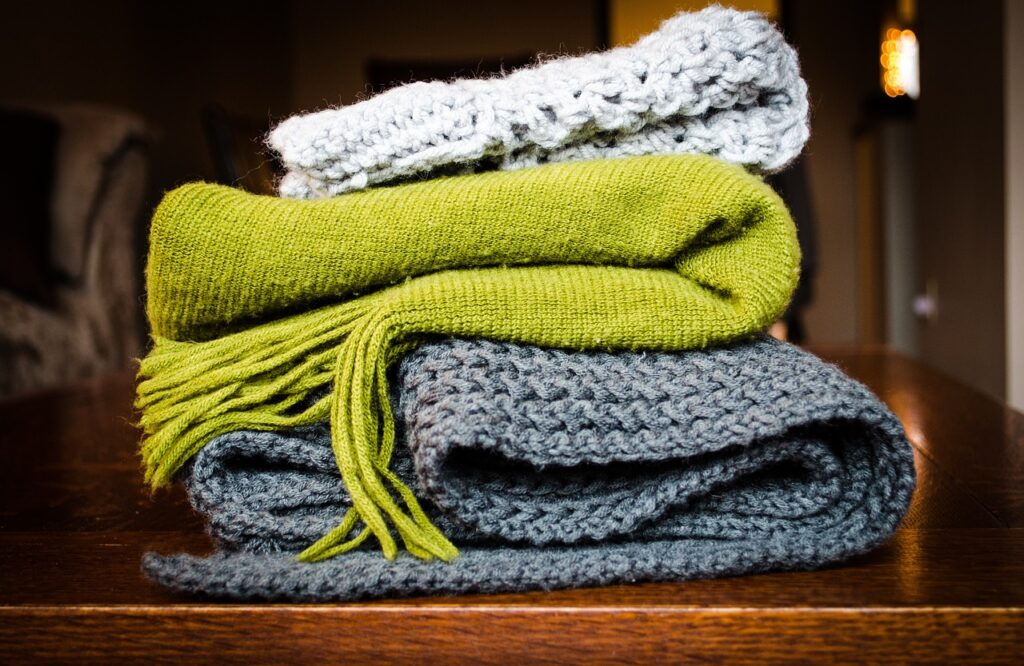
A woven blanket gets its hand feel from yarn thickness, fiber mix, weave density, brushing, washing, and finishing. A cheaper quote may use thinner yarn or a lower pick density, even when the finished size looks the same on the quote sheet. After washing, that blanket may feel loose, flat, or rough. Ask for GSM, yarn count, warp and weft details, and finishing method before you compare two prices.
Artwork Accuracy Protects Retail Value
Woven artwork is not printed artwork. Colors are made with yarns, so thin lines, gradients, and small lettering can lose detail in the weave. A good supplier will convert your file into a weave-ready layout and flag risky areas before sampling. It is much better to fix a weak logo at this stage than explain it later to a retail buyer.
Repeat Orders Need Stable Production
The first order matters, but the second and third orders often show the real factory level. A capable manufacturer keeps yarn lots, loom settings, edge sewing, labels, and packing specs in line with the approved sample. For brand programs, hotel gifts, sports merchandise, or seasonal home collections, this repeatability saves trouble. A small discount is not worth much if every reorder looks different.
What Should You Check Before Requesting a Quote?
A clear quote starts with a clear tech pack. If you only send a picture and ask for the “best price,” each factory will make its own guess. One may quote cotton, while another may quote acrylic. One may include individual polybags, while another may quote bulk packing. The prices may look comparable, but the specs are not the same.
Fiber Choice and Yarn Count
List the target fiber content, such as 100% cotton, cotton acrylic blend, polyester, or recycled polyester blend. Then ask what yarn count and construction the supplier recommends for your artwork and selling price. Cotton gives a natural hand feel, acrylic often gives strong color and soft bulk, and polyester can help with strength and quick drying. The right choice depends on your sales channel, not only on personal taste.
Size Weight and Edge Details
Blanket size should be written after washing, not only before finishing. Common sizes include throw blankets around 50 x 60 inches, larger sofa blankets, baby blankets, and bed-size pieces. Weight is just as important because a 500 g blanket and a 900 g blanket can have the same length and width but feel very different. Edge options also change the price, including fringe, overlock, binding, whip stitch, and jacquard border.
MOQ Sampling and Lead Time
Ask for MOQ by design, by colorway, and by total order. A factory may accept 300 pieces per design only when yarn colors are shared across several SKUs. Sampling usually includes CAD artwork, yarn color matching, loom setup, finishing, and packing review. If your launch date is fixed, allow time for one revision because rushing a woven sample often creates avoidable mistakes.
Which Materials Work Best for Custom Woven Blankets?
Material choice affects touch, color depth, wash behavior, and price level. There is no single best fiber for every buyer. A museum gift shop, a college merchandise program, a baby product brand, and a home décor retailer may all need different materials. Start with the user and the sales channel, then choose the fiber.
Cotton for Soft Everyday Gifts
Cotton woven blankets work well when you need a natural hand feel, breathable comfort, and a familiar home textile story. They are often used for throws, baby blankets, lifestyle gifts, and premium brand merchandise. The trade-off is that cotton yarn cost can move with crop and market changes. If color sharpness is important, ask the manufacturer to show previous cotton jacquard samples with similar artwork.
Acrylic and Polyester for Sharp Color
Acrylic can give a wool-like touch at a more workable price point, and it holds bright colors well. Polyester is often used when buyers need easy care, strength, or recycled-content options. These fibers can fit stadium blankets, promotional programs, outdoor-adjacent use, and bold logo designs. Still, low-grade synthetics can pill quickly, so ask the supplier for abrasion or pilling feedback before you approve the material.
Blends for Price and Performance
Blended yarns can balance cost, softness, strength, and color. A cotton-polyester blend may keep a familiar touch while improving stability, and acrylic-cotton blends can add more loft than plain cotton. The point is not to chase the most complex composition. The point is to match your price point, buyer promise, and washing expectations. A small lint roll during sample review can tell you a lot about the yarn and finish.
How Can You Judge Manufacturing Quality Before Bulk Production?
Quality control starts before the loom runs. For custom woven blankets, many costly problems begin with artwork, yarn selection, or unclear finishing rules. Sampling should not be treated as a formality. It is the stage where you decide what is acceptable for bulk production.
CAD Artwork and Strike-Off Review
Ask for a digital weave simulation first, but do not approve bulk production from CAD alone. A strike-off or pre-production sample shows real yarn color, texture, reverse-side appearance, edge behavior, and shrinkage. Compare it under natural light and store lighting if the product will be sold in retail. Phone photos can mislead buyers, especially for navy, charcoal, cream, and deep red.
Color Tolerance and Hand Feel Checks
Set a color tolerance before production starts. If you use Pantone references, ask whether the factory matches yarn to Pantone or chooses from available yarn stock. For hand feel, keep an approved sample in a sealed bag and use it as the bulk standard. Touch is subjective, but side-by-side checking makes the discussion much more practical.
Packing Carton and Drop Test Plans
Packing is easy to ignore until cartons arrive crushed or barcodes cannot be scanned. Confirm folding method, inner bag, insert card, carton size, carton weight, shipping mark, and pallet plan if needed. For ecommerce, ask whether the blanket can be packed in a mailer-ready way. For retail, check hanger holes, belly bands, hangtags, and label placement before cartons are sealed. See also: Applications.
What Compliance and Labeling Points Should Buyers Not Miss?
Compliance is not the most exciting part of blanket sourcing, but it protects your shipment and your customer trust. Rules differ by market, so buyers should confirm label wording and testing needs with a qualified compliance adviser for the target country. A manufacturer can help prepare documents and samples. In most cases, the importer or brand still carries the main responsibility.
Fiber Content Country and Business Identity
For the United States, the Federal Trade Commission states that most textile and wool products need labels showing fiber content, country of origin, and the identity of the manufacturer or another responsible business. Care instructions are also part of textile selling in many cases. For a custom woven blanket, this means your order file should include fiber percentages, origin wording, care symbols or care text, and brand identity before production labels are made. Check these items early because label changes after packing can cost time and money. (ftc.gov)
EU Language and Fibre Rules
For the European Union, Your Europe states that textile products marketed in the EU must be labelled or marked to show fibre composition. It also states that label text must be translated into the official language or languages of the country where the product is sold. If one woven blanket ships to Germany, France, and Spain, one English-only label may not be enough. Ask your buyer or compliance adviser to confirm the language plan before label artwork is approved. (europa.eu)
Testing Needs for Skin Contact
Testing can include colorfastness, dimensional change after washing, pilling, seam strength, fiber content, and restricted substances. OEKO-TEX describes STANDARD 100 as a label for textiles tested for harmful substances and notes that tests are based on intended use. For skin-contact home textiles, this kind of third-party reference can make buyer conversations easier. It is especially useful for baby, hospitality, and gift markets where buyers ask more questions about safety and skin contact. (oeko-tex.com)
How Should You Compare Prices Without Choosing the Wrong Factory?
The lowest price can be real, but it can also leave out important details. A fair comparison puts every supplier on the same spec sheet. Same size. Same GSM. Same fiber. Same artwork scale. Same packing. Same inspection level. Once the base is the same, the price becomes useful.
Unit Price Is Not the Whole Cost
Unit price is only one part of landed cost. You also need to check sample fees, setup fees if any, label cost, packing cost, inspection cost, freight volume, duty exposure, and possible relabeling risk. U.S. Customs and Border Protection notes that imported textiles need country-of-origin labels or packaging that makes origin clear to the ultimate purchaser, and it also flags CPSC flammability requirements as an import consideration. A missing label can turn a cheap order into an expensive problem at the port or warehouse. (help.cbp.gov)
Clear Specs Prevent Cost Creep
Send suppliers a quote sheet with fixed fields. Include blanket size, material, GSM, weave type, artwork colors, edge finish, label type, packing, carton weight limit, inspection standard, target ship date, and delivery term. If a supplier refuses to answer basic questions, that is already a warning sign. Good factories do not mind clear specs because they help avoid rework and price disputes.
Communication Speed Shows Real Capacity
Fast replies are useful, but practical replies matter more. Look for production questions from the supplier, such as “Can small text be enlarged?” “Do you accept a similar yarn color?” or “Is the blanket for retail shelf or ecommerce shipping?” These questions show that the team is thinking about the loom, packing, and final use. A custom woven blanket manufacturer that challenges weak specs early may save you from a bad bulk order later.
FAQ
Q1: What Is the Best MOQ for a Custom Woven Blanket Order? A: The best MOQ depends on yarn, design size, color count, and packing. Many buyers start by asking for MOQ per design and per colorway, then adjust artwork or shared yarn colors to reach a workable quantity.
Q2: How Long Does Sampling Usually Take? A: Sampling often takes a few weeks because the factory must review artwork, choose yarn colors, set up the loom, finish the blanket, and check shrinkage. Complex artwork or custom-dyed yarn can take longer.
Q3: Can a Woven Blanket Show Photo-Realistic Artwork? A: Woven blankets are better for logos, patterns, illustrations, and bold graphics than photo-realistic images. If you need a photo effect, ask for a weave simulation and a strike-off before approval.
Q4: Should You Choose Cotton or Polyester for Retail Blankets? A: Choose cotton for a natural feel and lifestyle positioning. Choose polyester or acrylic blends when you need bright color, easy care, or a sharper price. The right choice depends on your buyer and sales channel.
Q5: What Files Should You Send to a Manufacturer? A: Send vector artwork when possible, target size, Pantone or yarn color references, fiber preference, GSM target, edge finish, label artwork, packing method, and your target delivery date. Clear files make better quotes and better samples.