How to evaluate digital textile printing manufacturers before sourcing
Why manufacturer selection matters in digital textile sourcing
Digital textile printing manufacturers are not interchangeable. The right partner is the supplier whose fabric preparation, ink chemistry, printer platform, finishing process, testing discipline and compliance records fit the product being sourced. A factory that performs well on polyester sublimation fabric may not be suitable for reactive-printed cotton apparel, and a direct-to-garment workshop may not be equipped for roll-to-roll home textile production.
For buyers, the practical task is to build a shortlist around evidence: tested samples, documented workflows, realistic lead times and certificates that apply to the actual facility or product scope. For broader textile supplier context, see our Sourcing section.
Interest in the category is rising because digital textile printing can support shorter runs, faster artwork changes and more flexible product development than conventional screen printing in many use cases. Smithers reported in 2024 that digital textile printing was forecast to be one of the fastest-growing industrial print segments from 2024 to 2029. Growth, however, does not remove sourcing risk. It makes supplier qualification more important, as more factories enter the category with different levels of technical maturity.
Clarify what kind of manufacturer you actually need
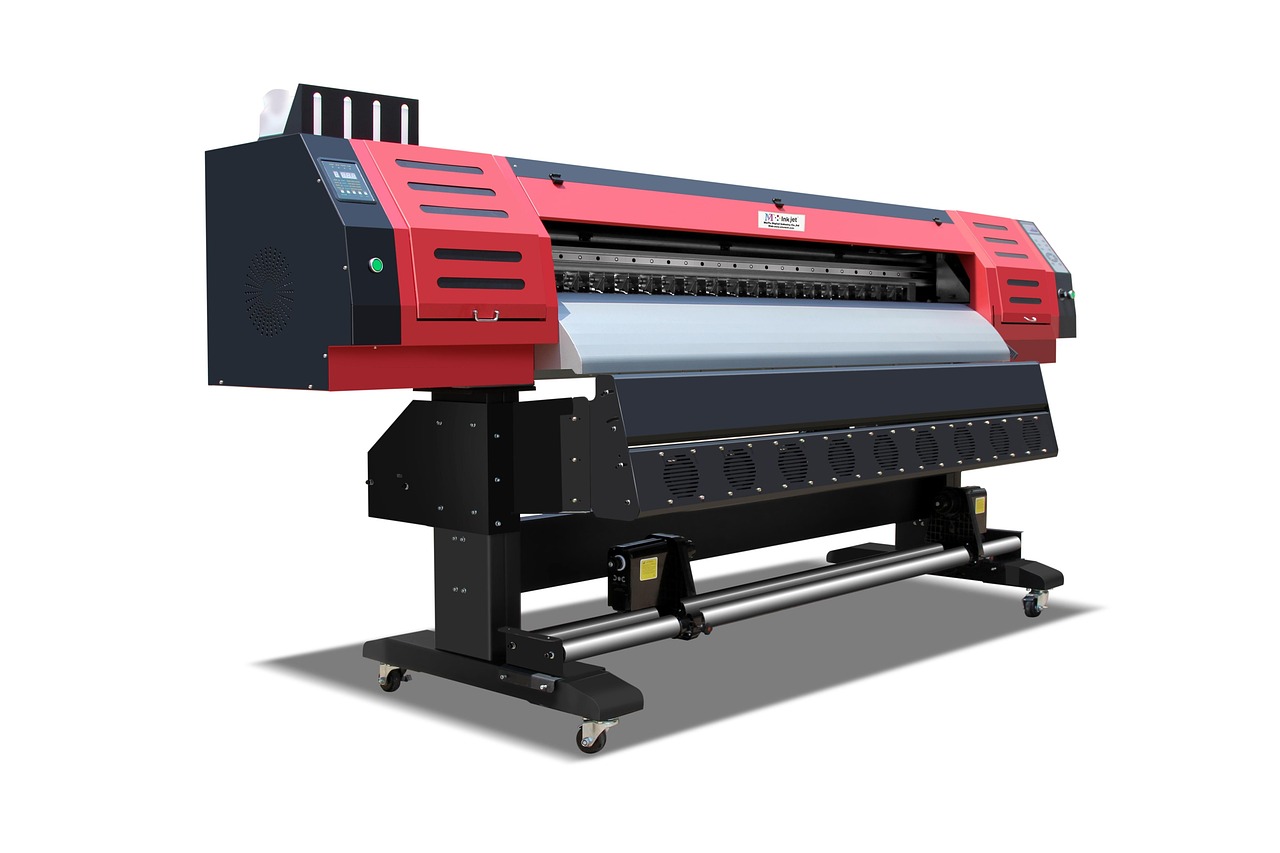
The phrase digital textile printing manufacturers can refer to several types of companies. Some manufacture digital printing machines. Others are print-service factories that buy equipment and produce printed fabric or garments for brands. Some are integrated textile mills with knitting, weaving, dyeing, digital printing, finishing and sewing under one group. A buyer sourcing printed fabric normally needs a production partner, not only a machine brand name.
Before requesting quotes, define the supplier type you need:
- Roll-to-roll fabric printer for yardage, scarves, home textiles, sportswear fabric or fashion fabric.
- Direct-to-garment printer for finished T-shirts, hoodies, small-lot apparel or personalization.
- Transfer printer for polyester goods, promotional textiles or heat-transfer workflows.
- Integrated mill when base fabric control, dyeing, finishing and printing must be managed together.
- Sampling studio when the immediate goal is design validation rather than bulk production.
This distinction affects price, minimum order quantity, quality control and responsibility for defects. If the printer receives fabric from a third party, the buyer needs to know who is accountable for shrinkage, skew, fabric defects, pretreatment problems and color variation caused by the substrate.
Match ink system and fabric before discussing price
Digital print quality starts with fiber chemistry. Textile Exchange’s 2025 Materials Market Report highlighted that polyester remains the largest global fiber category, while cotton remains the most widely used natural fiber. That matters because polyester and cotton usually require different print routes, fixation methods and fastness expectations. A low quote is not useful if the supplier is forcing one ink system onto an unsuitable fabric.
| Fabric or product | Common digital route | What buyers should verify |
|---|---|---|
| Cotton, viscose, linen | Reactive printing or pigment printing | Pretreatment, steaming or curing route, washing process, hand feel and wash fastness. |
| Polyester | Dye sublimation or disperse direct printing | Heat setting, migration risk, shade after washing, rubbing fastness and fabric stretch recovery. |
| Silk, wool, nylon | Acid ink printing in suitable applications | Fiber-specific pretreatment, fixation control, color depth and care-label compatibility. |
| Cotton-polyester blends | Pigment printing, transfer options or hybrid workflows | Print durability on both fiber types, cracking risk, color brightness and handle. |
| Finished garments | Direct-to-garment or direct-to-film transfer | Seam placement, pretreatment marks, curing conditions, stretch cracking and after-wash appearance. |
Digital printing is often described as more flexible than screen printing, but it is not automatically more sustainable or more durable. Reactive printing on cotton can still require steaming and washing. Pigment printing can reduce some wet processing steps, but buyers must check hand feel and rubbing performance. Sublimation can be efficient for polyester, but it is not a universal solution for natural fibers. The manufacturer should be able to explain these trade-offs without overselling one method.
Evaluate quality through repeatable controls, not sample photos
At the quotation stage, attractive photos can hide important production risks. A professional manufacturer should control artwork preparation, color management, fabric pretreatment, printer maintenance, fixation and inspection. Ask how the factory builds print profiles, whether it uses spectrophotometer measurement, how it defines acceptable shade variation and how it stores repeat-order data.
For color and durability, buyers should request objective testing rather than informal claims. AATCC lists test methods such as TM8 for colorfastness to crocking and TM61 for accelerated laundering. ISO 105 standards also cover textile color fastness assessment, including digital imaging methods for evaluating color change and staining. The exact test method should match the product’s end use. Swimwear, babywear, upholstery fabric and fashion scarves do not face the same performance conditions.
A practical sample approval package should include:
- Base fabric specification, including fiber content, weight, width and finishing.
- Printed strike-off or lab dip made through the intended production route.
- Color reference, such as Pantone, a physical standard or an approved digital file.
- Wash, rubbing and light fastness requirements where relevant.
- Dimensional stability after laundering or heat treatment.
- Record of whether the sample was produced on sampling equipment or bulk equipment.
The last point is often overlooked. If a sample is produced on a small-format printer but bulk production uses different machines, inks or curing equipment, the buyer should require a pre-production sample from the actual production line.
Check compliance scope, not just certificate names
Chemical and product compliance is facility-specific and product-specific. A logo on a website is not enough. Ask for the current certificate, certificate number, issuing body, validity date, product class, facility name and the exact materials or processes covered. Scope matters because a certificate for one fabric, one ink series or one facility may not cover another order.
Several frameworks are commonly relevant in digital textile sourcing. GOTS version 7.0 became effective for certified entities and approved chemical inputs from March 1, 2024, so organic textile claims should be checked against the current GOTS scope. OEKO-TEX STANDARD 100 relates to tested product safety, while OEKO-TEX ECO PASSPORT applies to chemical inputs and OEKO-TEX STeP evaluates production facilities across areas such as chemical, environmental and social management. ZDHC’s Manufacturing Restricted Substances List is used by many brands to manage chemicals that are banned from intentional use in textile, apparel and footwear processing.
For buyers, the key question is not which certificate sounds strongest. It is whether the certification or conformance evidence covers the order being placed. For example, an organic cotton claim should connect the fiber, processing facility, printing inputs and chain-of-custody documentation. A babywear order may require stricter product safety evidence than a promotional tote bag. A home textile order may need different flammability, lightfastness or abrasion considerations depending on the destination market.
Assess capacity, lead time and cost drivers
Digital printing can reduce setup barriers compared with screen printing because it does not require a physical screen for every color. That advantage is strongest for sampling, short runs, frequent artwork changes and personalization. It does not mean every digital order is fast. Bottlenecks often appear in pretreatment, drying, steaming, washing, curing, inspection, cutting and packing. See also: Applications.
When comparing digital textile printing manufacturers, ask for capacity by production route rather than relying on a single daily output number. A factory may print many meters per day on polyester transfer fabric but much less on reactive cotton that requires washing. Multi-pass printers are flexible for varied designs and smaller runs. Single-pass systems can support high-volume production, but only when the factory has the upstream and downstream processes to feed them consistently.
Main cost drivers usually include:
- Fabric type and whether the buyer or factory supplies the greige or finished fabric.
- Ink system, color coverage, dark-ground printing and repeat complexity.
- Pretreatment, fixation, washing, curing and finishing requirements.
- Sampling rounds, color matching time and artwork correction.
- Order size, number of designs and number of colorways.
- Inspection level, testing requirements, packing method and delivery terms.
A serious supplier should be able to separate these cost components. If two quotations differ sharply, ask whether both include the same fabric, testing, finishing, shrinkage allowance, wastage rate and packaging. Otherwise, the cheaper option may simply exclude necessary work.
Use a due diligence matrix before placing bulk orders
| Sourcing area | Evidence to request | Risk if missing |
|---|---|---|
| Technical fit | Ink route, fabric specification and production workflow | Poor color, weak fastness or unsuitable hand feel. |
| Color control | Approved standard, tolerance range and repeat-order records | Shade variation between samples, lots and reorders. |
| Testing | Wash, rubbing, light or product-specific test reports | Claims cannot be verified under end-use conditions. |
| Compliance | Current certificates with valid scope and facility names | Marketing claims may not apply to the actual order. |
| Capacity | Monthly output by fabric route and machine type | Late delivery when finishing becomes the bottleneck. |
| Traceability | Fabric source, batch records and chemical input records | Harder root-cause analysis if defects appear. |
| Commercial terms | Clear MOQ, sampling fee, remake policy and delivery terms | Disputes after approval or shipment. |
This matrix gives buyers a more reliable comparison than price alone. It also makes communication easier because both sides can see which requirements are mandatory and which are negotiable.
Red flags when comparing manufacturers
Some warning signs appear early in supplier conversations. Be cautious if a manufacturer claims that one digital process works equally well on every fiber, refuses to provide test reports, cannot explain pretreatment or fixation, or uses certificate names without showing scope documents. Another red flag is a quotation that includes printing but excludes base fabric inspection, shrinkage control or finishing, even though those steps affect the final product.
Buyers should also be careful with unrealistic delivery promises. Very short lead times may be possible for in-stock fabric and simple artwork, but custom fabric, color matching, testing and compliance review take time. If the supplier cannot explain the production calendar, it may be underestimating the order.
Frequently asked questions
Are digital textile printing manufacturers better than screen printers?
Not always. Digital printing is often stronger for short runs, detailed artwork, fast sampling and multiple colorways. Screen printing can still be efficient for very large volumes, certain special effects and designs with limited colors. The better choice depends on fabric, artwork, order size, cost target and performance requirements.
What minimum order quantity should buyers expect?
MOQs vary by supplier, fabric route and finishing process. Digital printing can support lower quantities than many screen-print workflows, but base fabric, pretreatment, testing and packing requirements may still create minimums. Ask for MOQ by design, by colorway and by fabric quality.
Which certificates matter most for digital textile printing?
The answer depends on the product and market. GOTS may matter for organic textile claims, OEKO-TEX STANDARD 100 for product safety claims, OEKO-TEX STeP for facility-level assessment, ECO PASSPORT for chemical inputs and ZDHC MRSL conformance for chemical management. Always verify current scope rather than relying on a logo.
How should buyers request samples?
Provide the final artwork file, fabric specification, target colors, intended end use, care requirements and expected tests. Ask whether the sample is printed on the same equipment and workflow planned for bulk production. Keep one approved physical sample as the production reference.
Can one manufacturer handle cotton and polyester equally well?
Some integrated suppliers can manage multiple fiber routes, but buyers should verify each route separately. Cotton and polyester often require different inks, pretreatments and finishing conditions. Strong performance on one fabric type does not automatically prove strength on another.
Build the shortlist around evidence
The strongest digital textile printing manufacturers are not simply the ones with the newest machines or the lowest quote. They are the suppliers that understand fiber chemistry, control repeat production, document testing, communicate compliance scope and explain cost drivers clearly. For sourcing teams, the safer approach is to compare manufacturers through approved samples, verified certificates, realistic production schedules and written quality requirements before moving to bulk orders.