How to choose a custom woven blanket manufacturer for private label sourcing
What a custom woven blanket manufacturer actually controls
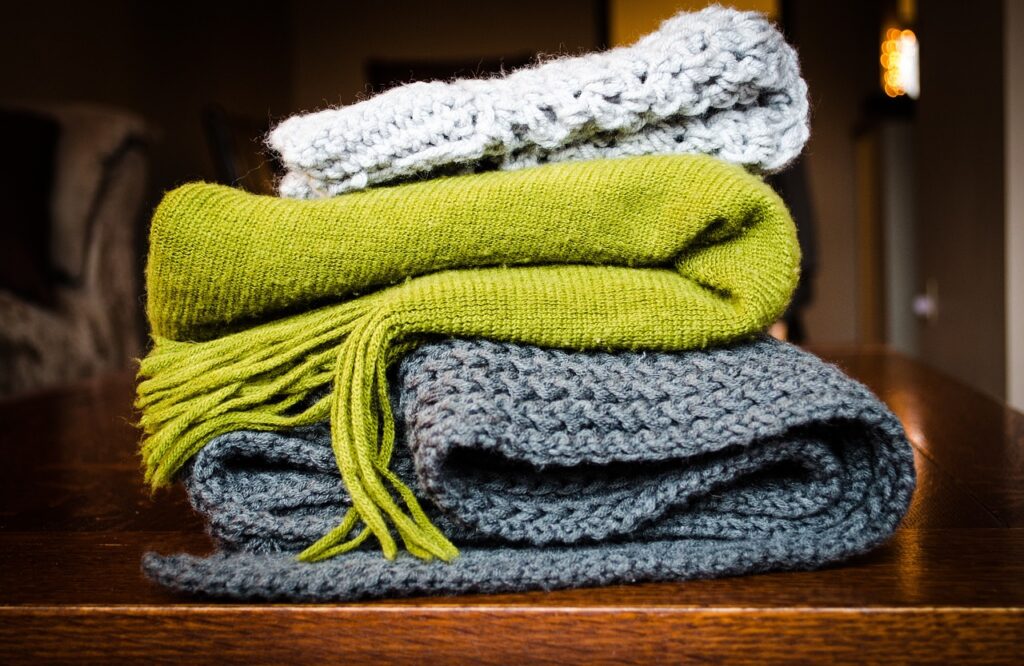
Choosing a custom woven blanket manufacturer is not just a price comparison. The better question is whether the supplier’s weaving capability, yarn control, finishing quality, compliance process, and communication fit the product you want to sell. Because a woven blanket is formed by yarns interlacing on a loom, many key outcomes—design clarity, hand feel, weight, durability, and color—are determined before cutting, edging, labeling, or packing begins. For sourcing teams, the safest starting point is a clear specification, a controlled sample process, and written evidence for any labeling, testing, or certification claims. This guide is intended for buyers comparing manufacturers for private label, promotional, hospitality, baby, home textile, or licensed artwork programs.
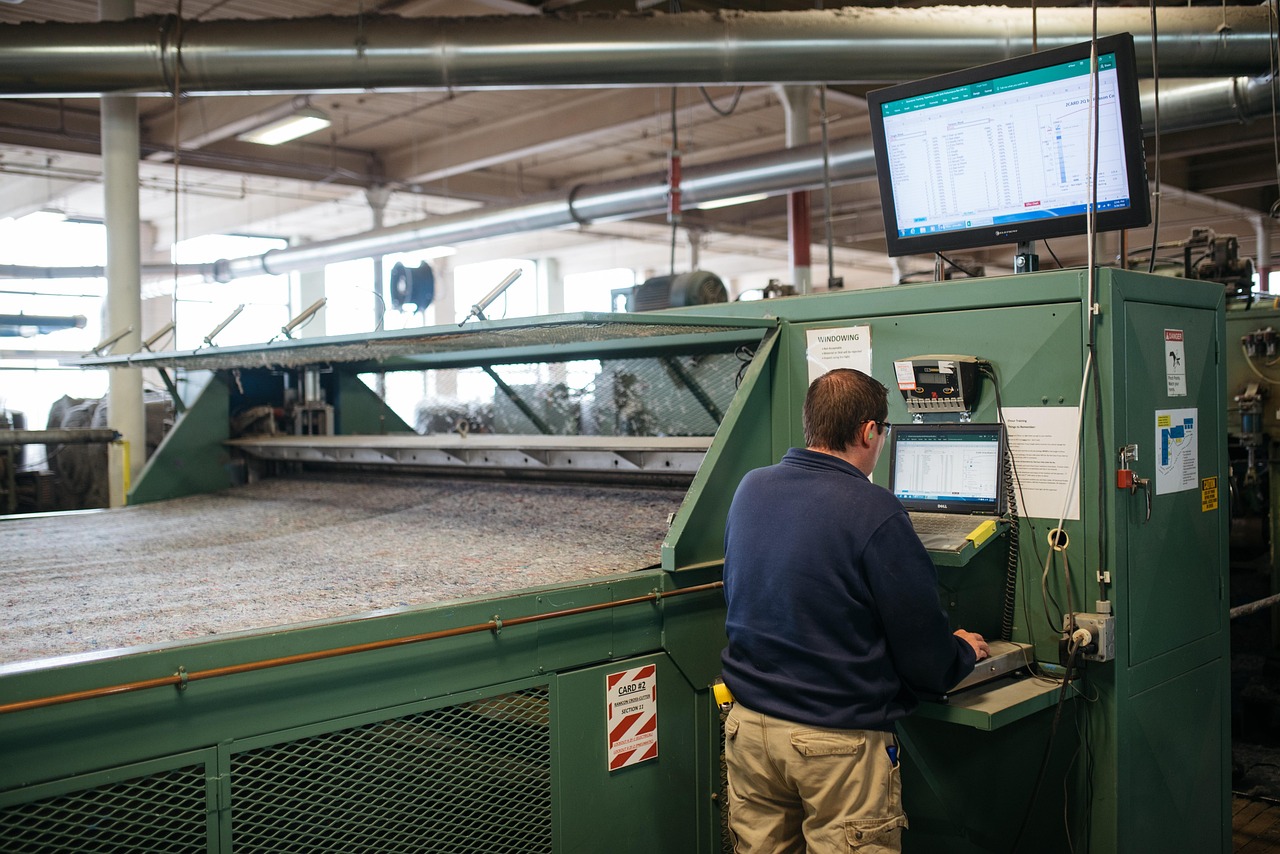
A true woven blanket supplier either controls or coordinates several linked stages: yarn selection, dyeing or yarn color matching, weaving, inspection, washing or finishing, edge treatment, labeling, folding, packaging, and export documentation. Some factories keep all of these steps in-house. Others weave internally but outsource dyeing, brushing, washing, or packaging. Neither structure is automatically better. What matters is that the buyer knows who is responsible for each step, where quality checks take place, and how problems are escalated.
This is important because a woven blanket is not simply a printed panel with a logo on top. In jacquard or yarn-dyed construction, artwork must be translated into weave structures and yarn colors. Fine details, gradients, lettering, and photographic images may need to be simplified. A manufacturer’s ability to convert artwork into a stable woven pattern is often more valuable than a polished catalog. For broader sourcing context across textile categories, buyers can also review related articles in the Sourcing section.
Match the blanket type to the intended use
Before sending an inquiry, define how the blanket will be used. A retail throw blanket, stadium blanket, hotel bed blanket, baby blanket, and decorative tapestry-style blanket may look similar in photos, but they call for different choices in fiber, weight, border construction, softness, dimensional stability, and packaging.
| Use case | Likely sourcing priority | Questions to ask the manufacturer |
|---|---|---|
| Retail throw blanket | Hand feel, color consistency, attractive folded presentation | Can the design be woven cleanly at the chosen size and yarn count? What edge finishes are available? |
| Promotional or licensed artwork blanket | Logo or artwork accuracy, repeatability, packaging for distribution | How is artwork converted into a weave file? Can pre-production approval samples be made from final yarn colors? |
| Hospitality or institutional blanket | Laundering durability, dimensional stability, practical color choices | Which laundering, shrinkage, pilling, and blanket performance tests are normally used? |
| Baby or child-focused blanket | Safety review, soft touch, stricter chemical and labeling expectations | Can the supplier support stricter restricted-substance testing and age-appropriate labeling review? |
| Decorative woven blanket or wall throw | Image rendering, texture, fringe, visual impact | What is the minimum artwork line width and practical color limit for the selected weave? |
A common sourcing mistake is asking every factory to quote from size and quantity alone. A 50 x 60 inch woven throw can vary widely depending on yarn type, density, finishing, edge construction, label type, carton packing, and tolerance level. A serious manufacturer should ask clarifying questions before issuing a final quote.
Build the specification before asking for quotes
A strong specification shortens sampling time and makes quotations easier to compare. It also prevents suppliers from quoting different products under the same general description. At minimum, the request should define product size, fiber content target, weight target or gram range, design method, number of yarn colors, edge finish, label requirements, packing method, testing expectations, destination market, and order schedule.
Artwork and weave translation
For custom woven blankets, artwork needs to be reviewed as a textile design, not only as a digital image. Fine outlines, small text, shadows, and complex gradients may not reproduce in the same way once they are converted into yarns. A digital weave simulation is useful as a preview, but it should not replace final proofing. The full pre-production sample matters more because it shows actual yarn color, scale, texture, edge finishing, and shrinkage after finishing.
If brand colors are critical, provide Pantone references or physical color standards. Then ask whether the supplier will use yarn-dyed matching, stock yarn matching, or piece-dyed processes. Stock yarn can shorten development, but exact matching may be limited. Custom-dyed yarn can improve color control, but it may affect minimums, timing, and cost.
Fiber content and feel
Common woven blanket materials include cotton, acrylic, polyester, wool blends, recycled polyester, and mixed constructions. Each option has trade-offs. Cotton is familiar and breathable, but shrinkage has to be controlled. Acrylic can offer wool-like bulk at a different price point. Polyester can support durability and recycled-content programs, but recycled claims must be described accurately. Wool and wool blends may require additional labeling attention in markets that regulate wool content separately.
Do not rely on broad terms such as soft, premium, heavy, or hotel grade. Ask for details that can be measured or inspected: target weight, yarn count or equivalent internal specification, finish type, washing method, shrinkage tolerance, colorfastness expectations, and pilling standard. If the supplier will not disclose technical details, request a controlled sample set at minimum.
Edges, labels, and packaging
Edges are not decorative afterthoughts. Fringe, stitched binding, hemmed edges, whipstitching, and overlocked edges affect appearance, durability, cost, and production time. Labels also need early decisions, including woven brand label, printed care label, law label where applicable, hangtag, belly band, barcode, carton mark, or retail packaging. Packaging should be checked against the actual folded blanket size, not a guessed size from the development stage.
Verify production capability without relying on marketing claims
A manufacturer’s website may show attractive blanket photos, but sourcing decisions should be based on evidence. Ask for recent examples that match the same construction and use case, not just any blanket. A supplier that is strong in printed fleece may not be the right partner for a detailed woven jacquard throw. A factory that produces basic utility blankets may not be ideal for licensed artwork with tight color control.
Sampling should follow a defined approval path
A practical approval sequence is artwork review, construction recommendation, quote based on confirmed assumptions, strike-off or small sample where possible, full-size pre-production sample, written approval, bulk production, in-line inspection, final inspection, and shipment release. The order can vary by quantity and complexity, but the approval criteria should be written before bulk production starts.
For complex artwork, ask the manufacturer to explain which details may be lost or changed in weaving. That is not a weakness; it is usually a sign that the supplier understands the production method. Overpromising at quotation stage often leads to disappointment when the woven sample arrives.
Quality control should be visible
For woven blankets, inspection should cover more than surface appearance. Relevant checkpoints include finished size after relaxation or washing, weight, color consistency, loose yarns, broken ends, weaving defects, skewing, edge quality, label placement, odor, contamination, packing accuracy, and carton markings. For repeat orders, retain an approved standard sample and use it as a physical reference for later lots.
Buyers should also define acceptable tolerances. Textiles naturally vary within controlled ranges, but unclear expectations lead to disputes. Written tolerances for size, weight, shade, and packing quantities make final inspection more objective. If a third-party inspection is planned, share the inspection checklist with the manufacturer before production begins.
Compliance and certification questions buyers should ask
Compliance depends on destination market, material, claims, and product use. For the United States, Federal Trade Commission guidance for most textile and wool products emphasizes labels that identify fiber content, country of origin, and the responsible manufacturer or marketer. FTC care labeling guidance also requires care instructions for covered products so consumers know how to clean the item. Wool products can have specific wool labeling requirements, so wool or wool-blend blankets should receive separate label review. See also: Applications.
Country-of-origin statements need careful treatment. A blanket’s origin claim should match applicable customs and labeling rules, and marketing claims such as Made in USA require additional substantiation. Buyers importing private label blankets should not allow a supplier to design labels without reviewing the destination-market requirements.
Flammability and child-related rules should also be reviewed based on how the product is marketed. CPSC guidance on the Flammable Fabrics Act includes apparel textile rules and separate children’s sleepwear rules. An ordinary home throw is different from a wearable blanket, sleep sack, or product marketed for children’s sleep. When the product touches infant or child categories, obtain specialized compliance advice rather than assuming that a general blanket label is enough.
Certification claims must be specific. OEKO-TEX STANDARD 100 is a harmful-substances testing label with product classes based on intended use; baby articles fall under stricter Class I, while many direct-skin-contact textiles fall under Class II. GOTS covers organic textile processing and labeling for textiles made with certified organic natural fibers under its defined thresholds. Textile Exchange standards such as RCS and GRS address recycled-content verification and chain of custody; as of August 2026, Textile Exchange had published a Recycled Claim Standard document dated July 1, 2026, so buyers should verify the current scope certificate and transaction certificate before making recycled-content claims.
For performance testing, ask which recognized methods apply. ASTM lists textile standards including a blanket performance specification for institutional and household use, while AATCC methods include accelerated laundering colorfastness testing such as TM61. The goal is not to add every possible test to every order. It is to select tests that match the blanket’s risk profile, claims, and sales channel.
Source note: this compliance summary is based on publicly available guidance from the FTC, CPSC, OEKO-TEX, GOTS, Textile Exchange, ASTM, and AATCC. It is not legal advice, and buyers should confirm requirements for the exact product and market before placing production orders.
Compare suppliers with a sourcing scorecard
A simple scorecard helps sourcing teams compare manufacturers on more than price. It also shows whether a lower quote reflects real efficiency or missing assumptions.
| Evaluation area | What to check | Evidence to request |
|---|---|---|
| Product fit | Experience with the same woven construction and use case | Similar samples, weave simulation, production photos, approved reference sample |
| Artwork handling | Ability to simplify and translate artwork into yarn and weave limits | Artwork review comments, color plan, pre-production sample |
| Material control | Fiber content, yarn sourcing, dye lot management, recycled or organic claims | Material specification, supplier declarations, certificates where relevant |
| Quality system | Inspection checkpoints before, during, and after weaving and finishing | QC checklist, tolerance sheet, defect classification, retained sample process |
| Compliance support | Labeling, care instructions, country of origin, restricted substances, claim verification | Draft label review, test reports, scope certificates, transaction certificates when applicable |
| Communication | Speed, clarity, issue escalation, ability to explain trade-offs | Written development timeline, responsible contacts, sample approval record |
| Commercial reliability | Realistic quotation, payment terms, capacity, packing accuracy, shipment documents | Pro forma invoice, production schedule, carton plan, document checklist |
When two manufacturers quote very different prices, compare the assumptions line by line. Differences may come from yarn type, blanket weight, loom setup, order quantity, edge finish, packaging, testing, certification, or Incoterms. If a quote does not state what is included, it is not yet comparable.
Buyers should also avoid three common mistakes. First, approving a small swatch when the final product needs full-size artwork approval. Second, using certification language before confirming that the exact product is covered. Third, changing packaging, labels, or artwork after the pre-production sample without updating the timeline and cost. In woven blanket sourcing, late changes can affect yarn ordering, loom programming, cutting layout, and carton dimensions.
Frequently asked questions
What is the difference between a woven blanket and a printed blanket?
A woven blanket forms the design through yarns and weave structure, while a printed blanket applies artwork onto a fabric surface. Woven construction can feel more integrated and durable for certain designs, but it has practical limits for fine photographic details and tiny text. Printed blankets can reproduce complex images more easily, but the surface, hand feel, and long-term appearance depend on the base fabric and print method.
What should buyers send to a custom woven blanket manufacturer for an accurate quote?
Send the finished size, target quantity, artwork, intended use, destination market, fiber preference, weight or hand-feel target, edge finish, label and packaging plan, testing expectations, and required delivery window. If any of these are unknown, ask the manufacturer to quote options rather than forcing a single vague price.
Are certification claims enough to prove a blanket is compliant?
No. Certifications can support specific claims, but each one has a defined scope. A certificate may cover a material, facility, process, or finished article. Buyers should check the certificate holder, validity period, product scope, product class where relevant, and whether transaction certificates are needed for organic or recycled claims.
How can buyers reduce risk before bulk production?
Use a written specification, approve an actual pre-production sample, confirm label text before production, set measurable tolerances, request relevant test reports, and define the inspection plan. For repeat orders, keep a signed reference sample and compare later production against it.
Is the cheapest manufacturer usually the wrong choice?
Not always. A competitive price may reflect efficient production or suitable stock yarn. The risk appears when a low quote excludes testing, accurate labels, packaging, artwork revision, final inspection, or realistic tolerances. The better comparison is total landed and compliant product cost, not the unit price alone.