Plain weave cotton fabric guide for apparel and home textiles
What plain weave cotton fabric means
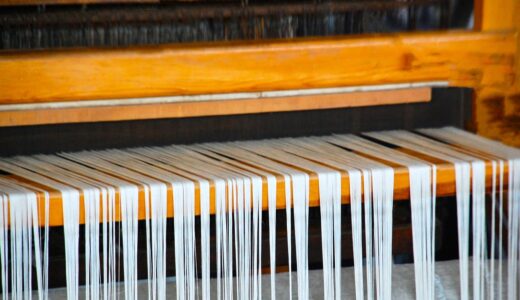
Plain weave cotton fabric is cotton cloth made with the simplest woven structure: one set of warp yarns and one set of weft yarns crossing in an over-one, under-one sequence. Textile education references such as the U.S. National Park Service weaving guide, the George Washington University Textile Museum structure guide, and Cornell textile teaching materials describe this as the basic interlacing system behind many everyday woven fabrics. In sourcing terms, however, “plain weave cotton” is not one single fabric. It is a broad structural family that can include muslin, voile, lawn, cambric, poplin, percale, canvas, and many printed or dyed cotton goods.
For buyers, designers, students, and sewing readers, the useful question is not only what the weave is, but how it behaves in a finished product. Plain weave generally gives cotton fabric a stable construction, a clean surface, and wide application range. Its final hand, opacity, strength, breathability, and drape still depend on yarn size, thread density, fabric weight, finishing, and whether the construction is balanced or unbalanced.
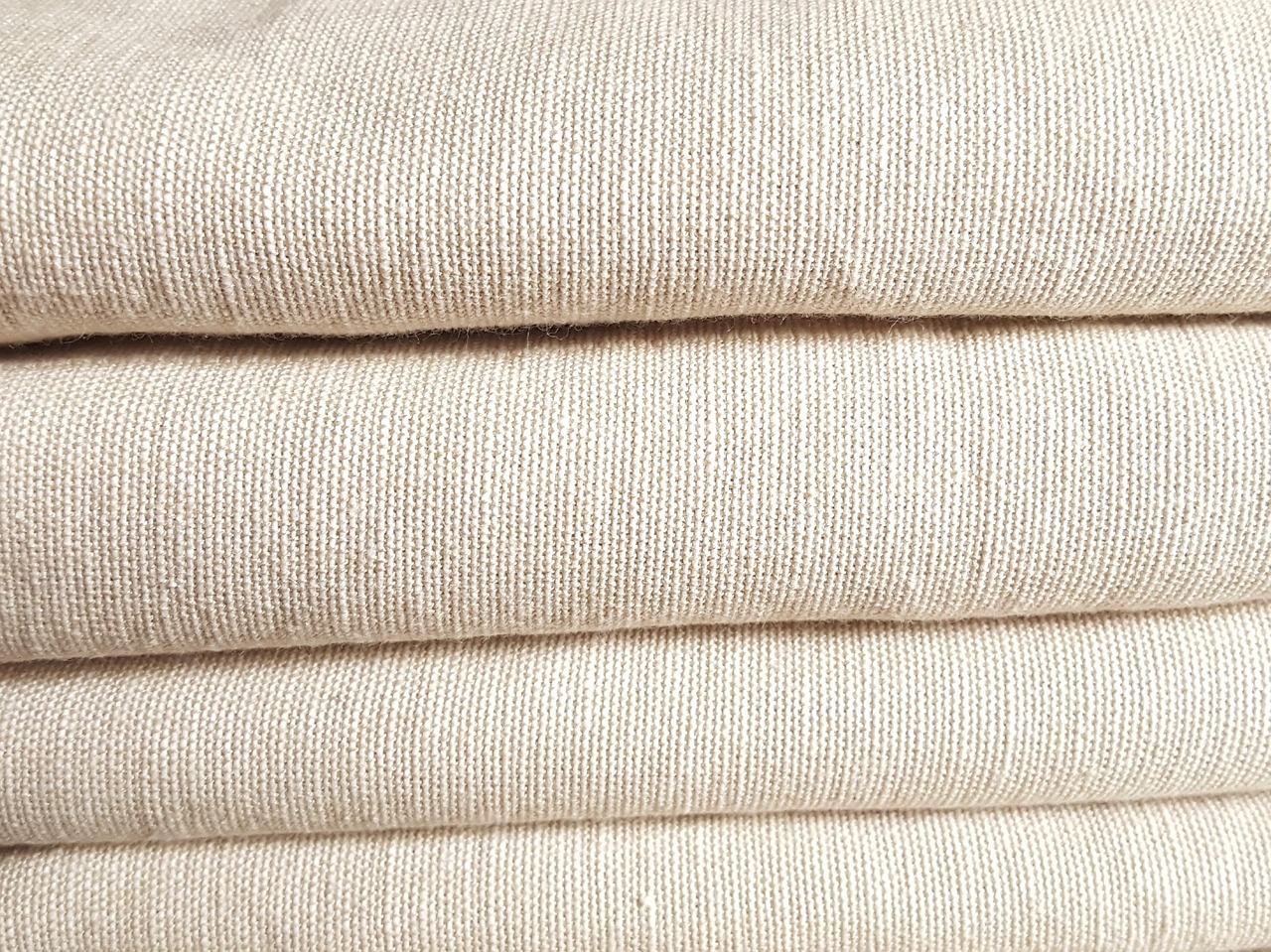
For more background on woven structures, see the Weaves section.
How the plain weave structure shapes performance
Plain weave creates frequent interlacings. Every weft yarn alternates over and under adjacent warp yarns, and the next row reverses the sequence. Compared with weaves that use longer floats, such as satin, this structure gives the cloth many contact points. The result is usually a firm, stable fabric with a relatively even face and back.
This construction explains several familiar characteristics. Plain woven cotton is often less slippery than cotton sateen, less diagonally textured than twill, and easier to cut accurately than many stretch knits. The grid-like interlacing helps resist yarn shifting, which is useful for printing, embroidery, quilting, pocketing, interlining, and general-purpose apparel. The same frequent interlacing can also make the cloth feel crisper or less fluid than comparable twill or satin fabrics made from similar yarns.
Balanced and unbalanced constructions
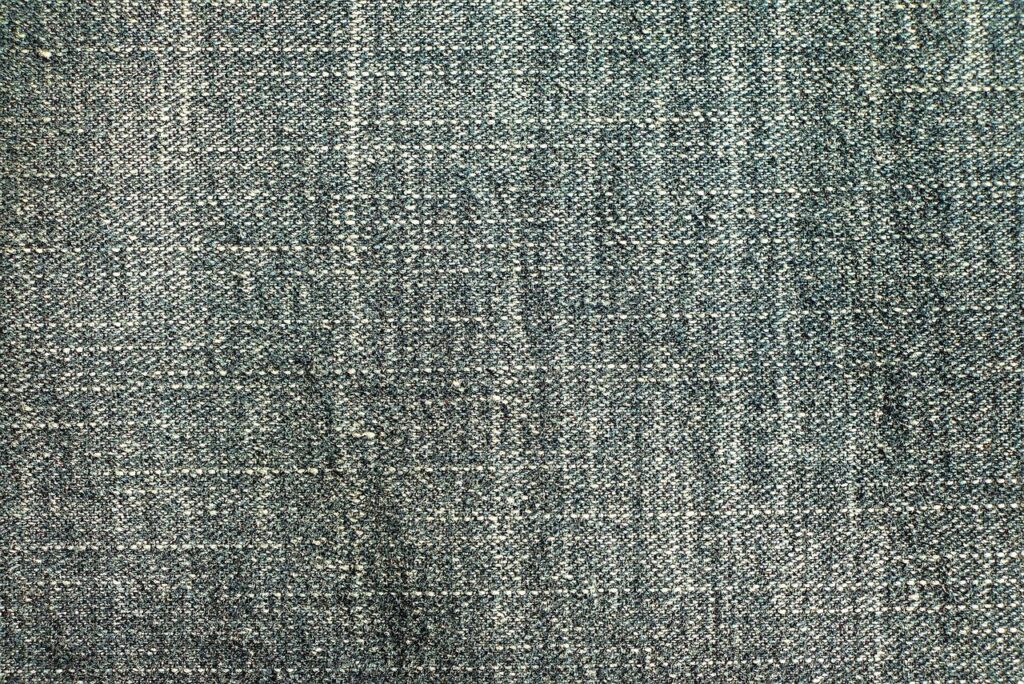
A balanced plain weave uses warp and weft yarns of similar size and spacing, creating a surface that looks similar in both directions. Quilting cotton and many basic sheeting or shirting fabrics follow this general principle, although exact construction varies by supplier.
An unbalanced plain weave changes the relationship between warp and weft. If one direction uses thicker yarns or much higher density, the surface may show subtle ribs or directional emphasis. Poplin and broadcloth often rely on fine, dense yarns to create a smooth, compact hand. Canvas or duck can be much heavier, with a sturdier feel. These fabrics remain part of the plain weave family as long as the basic over-one, under-one interlacing is maintained.
Why fiber alone is not enough
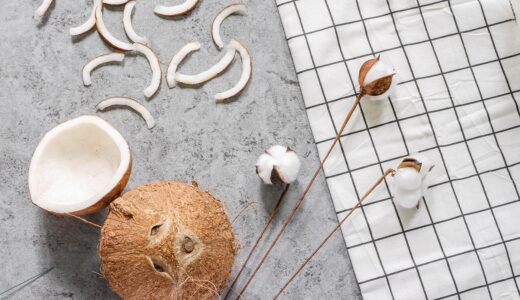
Cotton is widely valued because it is absorbent, comfortable against the skin, and familiar in both apparel and household textiles. But a fabric labeled cotton can perform very differently depending on construction. A loose cotton muslin may feel soft and airy. A tightly woven cotton percale may feel cool and crisp. A heavier cotton canvas may feel firm and durable, but less drapey. When evaluating plain weave cotton fabric, the weave matters, but it has to be read together with yarn count, weight, density, finishing, and intended use.
Common types of plain weave cotton fabric
Because plain weave is a structure rather than a single product name, fabric names are best treated as practical categories. The same term can vary by mill, market, country, and finishing route. The table below summarizes common cotton plain weave fabrics and the sourcing questions that usually matter.
| Fabric type | Typical character | Common uses | Buyer notes |
|---|---|---|---|
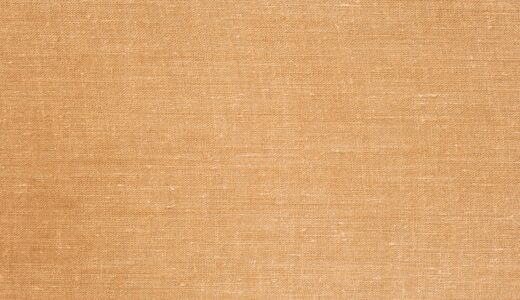
| Muslin | Light to medium, often soft, sometimes loose or unfinished | Toiles, crafts, linings, baby goods, casual home items | Check shrinkage, openness, softness, and whether it is bleached, dyed, or greige |
| Voile and lawn | Lightweight, fine, airy, usually smoother than basic muslin | Summer shirts, blouses, dresses, curtains, layering pieces | Assess transparency, tear strength, drape, and seam slippage risk |
| Cambric and batiste | Fine, smooth, lightweight to medium | Shirts, handkerchiefs, children’s wear, embroidery bases | Confirm finish, whiteness, print clarity, and end-use durability |
| Poplin and broadcloth | Compact, smooth, often crisp with a clean surface | Shirts, uniforms, dresses, pocketing, promotional textiles | Review wrinkle behavior, opacity, hand feel, and colorfastness |
| Percale | Closely woven, crisp, cool hand | Bedding, pillowcases, premium sheeting | Do not judge quality by thread count alone; yarn quality and finishing are also important |
| Canvas and duck | Heavier, firm, sturdy | Bags, aprons, workwear details, upholstery accents, utility covers | Check weight, abrasion needs, shrinkage, coating compatibility, and sewing performance |
This range shows why the phrase “plain weave cotton fabric” should be followed by a detailed specification. A buyer asking only for plain weave cotton may receive anything from lightweight muslin to heavy canvas. A workable inquiry normally includes fabric weight, width, composition, yarn type if known, finish, color or print requirement, shrinkage tolerance, and intended application.
Plain weave cotton vs twill, satin, and knit fabrics
Comparing plain weave with other structures helps clarify where it performs well and where another fabric may be more suitable. The main differences are not only visual. They also involve yarn movement, surface texture, drape, durability behavior, and response to finishing.
Plain weave vs twill: Twill uses a stepped interlacing pattern that forms diagonal ribs. Denim, chino, drill, and gabardine are common twill-related examples. Twills often drape more readily and can feel softer at the same weight because they have fewer interlacing points than plain weave. They may also show soil or abrasion differently because of the diagonal surface. Plain weave, by contrast, offers a flatter, more grid-like surface that works well for prints, embroidery, crisp shirts, lightweight home goods, and fabrics where dimensional stability matters.
Plain weave vs satin or sateen: Satin structures use longer yarn floats, creating a smoother and often more lustrous surface. Cotton sateen is popular in bedding and apparel when a softer sheen is desired. The trade-off is that long floats can snag or abrade more easily than a compact plain weave. Plain weave cotton normally looks more matte and less glossy, but it can be more straightforward for everyday laundering and cutting.
Plain weave vs knit: Woven cotton plain weave is made from warp and weft yarns crossing at right angles. Cotton knit fabrics are made from interlooped yarns. Knits usually stretch and recover more naturally, making them popular for T-shirts, underwear, and active casualwear. Plain woven cotton usually has limited mechanical stretch unless elastane is added or special finishing is used, but it tends to hold shape, seams, pleats, and printed motifs more predictably.
How to specify plain weave cotton fabric for sourcing
A clear specification prevents misunderstandings. Since the same weave structure can produce many fabric types, a useful sourcing brief should move from the general structure to measurable requirements. The key points are construction, weight, width, finish, performance testing, and end use.
- Fiber content: State whether the fabric must be 100% cotton or whether blends are acceptable.
- Fabric type: Use a commercial name where relevant, such as cotton poplin, cotton lawn, cotton muslin, cotton percale, or cotton canvas.
- Weight: Provide grams per square meter or ounces per square yard. Weight strongly affects drape, opacity, breathability, and sewing behavior.
- Width: Confirm usable cuttable width, not just nominal width.
- Yarn and density: Where possible, define yarn count and ends and picks per inch or centimeter. This is especially useful for shirting, bedding, and technical purchasing.
- Finish: Specify greige, bleached, dyed, printed, brushed, mercerized, sanforized, water-repellent, softener-treated, or other finishing needs.
- Performance requirements: Depending on end use, request shrinkage, colorfastness, tear strength, tensile strength, pilling, seam slippage, dimensional stability, or abrasion test results.
- Compliance requirements: If the fabric is used for children’s products, bedding, uniforms, or export markets, confirm the relevant chemical, labeling, flammability, and safety requirements with current regulations and buyer standards.
For low-risk craft use, a simple weight, width, color, and hand-feel description may be enough. For apparel brands, home textile programs, uniforms, or regulated end uses, testing and written tolerances are essential. It is safer to specify measurable requirements than to rely on a fabric name alone. See also: Applications.
Inspection points before cutting or production
Plain weave cotton can look simple, but small construction differences can affect production. Before bulk cutting, inspect both visual and measurable qualities. A small lab dip or strike-off may not fully represent bulk fabric, so sampling should be confirmed under the intended washing, sewing, printing, or finishing conditions.
Visual and hand checks
Check the face and back, surface evenness, slubs, knots, neps, streaks, shade variation, bowing, skewing, and print registration. Hold lightweight fabrics against light to examine openness and consistency. For shirting and bedding, assess smoothness and hand feel after washing, not only in the delivered state. Finishing agents can make fabric feel better before laundering than after it enters real use.
Dimensional and sewing checks
Cotton can shrink when washed, especially if it has not been mechanically or chemically stabilized. Pre-production testing should measure length and width shrinkage after the buyer’s intended laundering method. Sewing trials are also important. Lightweight plain weaves may pucker if needle size, thread tension, or stitch density is wrong. Heavier canvas may require stronger needles and slower sewing speeds. Dense poplin can show needle damage if the setup is not appropriate.
Color and print checks
The even surface of many plain weaves makes them good candidates for printing, but print quality depends on yarn smoothness, fabric preparation, absorbency, pretreatment, and finishing. Solid dyed goods should be checked for shade consistency across rolls and lots. Printed cotton should be checked for crocking, wash fastness, color migration, and distortion after laundering.
Design trade-offs and suitable applications
Plain weave cotton fabric is useful because it is predictable, available in many weights, and compatible with many finishes. It is often a good choice when the design needs a clean surface, breathable comfort, print clarity, or crisp construction. Shirts, dresses, pajamas, linings, quilting fabrics, tote bags, bedding, curtains, craft materials, and utility goods can all use cotton plain weaves when the correct weight and finish are chosen.
The trade-offs should be considered early. A very light plain weave may be breathable but transparent or prone to seam stress. A dense poplin may look polished but feel less airy than a looser lawn. A crisp percale may suit bedding but may not provide the soft drape expected in a fluid dress. A heavy canvas may be durable but may not be comfortable for close-fitting garments. These are not defects; they are outcomes of construction and finishing.
The practical way to select cotton plain weave is to start with the product function. For summer apparel, focus on weight, air permeability, opacity, and hand. For bedding, consider smoothness, laundering stability, and comfort after repeated use. For bags or utility items, prioritize weight, abrasion needs, seam strength, and shrinkage control. For printed goods, check surface smoothness, preparation quality, and colorfastness. The same weave principle can serve all of these categories, but not through the same fabric specification.
Frequently asked questions
Is plain weave cotton the same as muslin?
No. Muslin is one type of cotton fabric that is commonly made in plain weave, but plain weave cotton is a broader category. Poplin, percale, lawn, cambric, and many canvas fabrics may also use plain weave structures.
Is plain weave cotton breathable?
It can be, but breathability depends on more than the weave name. A loose, lightweight cotton plain weave usually allows more air movement than a dense, heavy one. Yarn size, thread density, finishing, and garment design all affect comfort.
Does plain weave cotton shrink?
Cotton plain weave can shrink if it has not been properly preshrunk or stabilized. Shrinkage should be tested using the laundering method expected for the final product. For production, suppliers and buyers should agree on acceptable shrinkage tolerances before bulk cutting.
Is plain weave stronger than twill?
Not automatically. Plain weave has many interlacings and can be dimensionally stable, but strength depends on yarn quality, fabric density, weight, fiber condition, finishing, and testing direction. A heavy twill may be stronger than a light plain weave, while a dense plain canvas may be stronger than a light twill shirting.
What is the best plain weave cotton for shirts?
There is no universal best choice. Cotton poplin and broadcloth are common for crisp shirts, while lawn or voile can suit lightweight summer styles. The right selection depends on opacity, drape, wrinkle expectations, softness, print or dye requirements, and the target retail position.