
Medical and hygiene textiles for healthcare and personal care applications

What medical and hygiene textiles need to do
Medical and hygiene textiles are not defined by a single fiber, fabric type, or manufacturing process. They are engineered materials used where the human body, fluids, microorganisms, care routines, and product safety requirements meet. In healthcare, they may help limit the transfer of body fluids, microorganisms, and particulates. In hygiene products, they manage urine, blood, sweat, wound exudate, cleansing liquids, or disinfectants while remaining comfortable against the skin.
Suitability starts with intended use and measurable performance, not with a generic fabric name. A surgical gown, a wound dressing, a patient wipe, and a diaper topsheet may all contain nonwovens, but each has a different risk profile, test plan, and quality expectation.
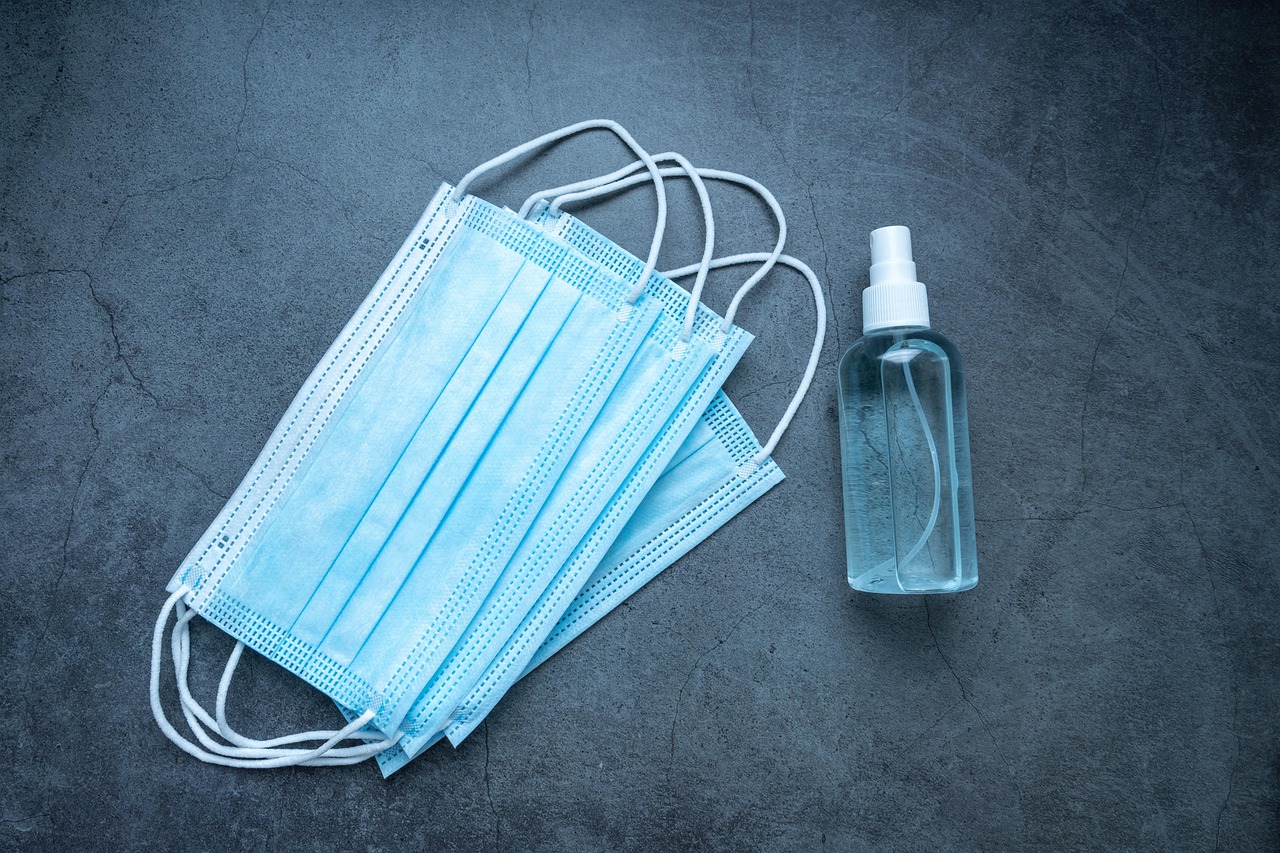
For textile manufacturers, converters, brand owners, and sourcing teams, this makes medical and hygiene textiles one of the most specification-driven parts of the wider textile market. A suitable material must be safe for its contact scenario, consistent enough for high-speed converting, and aligned with the regulatory pathway of the finished product. More textile use cases can be explored in the Applications section.
Where medical and hygiene textiles are used
The category includes both professional healthcare products and consumer or institutional hygiene products. Industry associations such as INDA and EDANA classify nonwoven end uses across medical, surgical, wipes, personal care, absorbent hygiene, protective clothing, and related disposable applications. That classification shows how broad the field is, but the practical question for every application is more specific: what must the textile control?
| Application area | Typical textile forms | Main performance need |
|---|---|---|
| Surgical and procedure protection | Gowns, drapes, packs, caps, shoe covers, sterile wraps | Liquid barrier, cleanliness, strength, compatibility with sterilization |
| Respiratory and facial protection | Mask layers, filtration media, backing layers, tie materials | Filtration, splash resistance where relevant, breathability, fit support |
| Wound care | Gauze, non-adherent layers, absorbent pads, fixation tapes | Fluid handling, low trauma removal, moisture balance, biocompatibility |
| Absorbent hygiene | Diaper topsheets, acquisition layers, core wraps, backsheets, feminine care and incontinence layers | Rapid acquisition, dryness, softness, leakage control, skin comfort |
| Wipes and cleansing products | Spunlace wipes, airlaid wipes, wet and dry sheets | Absorbency, wet strength, controlled release, low lint, hand feel |
| Patient and facility protection | Underpads, bedding, covers, patient apparel, protective covers | Fluid containment, comfort, durability, cost-effective use |
This range explains why the same material can work well in one product and fail in another. A soft, highly absorbent spunlace may be suitable for patient bathing wipes, but it may not provide the barrier performance required for protective apparel. A dense meltblown layer may support filtration, but it still needs support layers, process control, and appropriate finished-product design before it can become part of a compliant mask or respirator system.
The material choices behind performance
Nonwovens dominate many disposable formats
Nonwovens are widely used because they can be engineered for absorbency, barrier protection, softness, filtration, strength, and converting efficiency without weaving or knitting. Spunbond polypropylene is common where lightweight strength and processability matter. Meltblown media can provide fine fiber structures for filtration or barrier layers. SMS and SMMS structures combine spunbond outer layers with meltblown middle layers to balance strength, barrier, and breathability. Spunlace materials are often selected for wipes because they can provide textile-like softness and absorbency. Airlaid and pulp-containing structures are used in absorbent pads and wipes where liquid capacity is important.
Fiber choice also affects performance. Polypropylene is valued for low density, hydrophobicity, thermal bonding, and cost efficiency. Polyester can add dimensional stability and strength. Viscose, rayon, cotton, and lyocell may improve absorbency and hand feel. Superabsorbent polymers are used in absorbent hygiene cores because they retain aqueous fluids after uptake, but they need suitable distribution layers and core design to reduce the risk of gel blocking or leakage.
Reusable textiles still have a role
Not every medical textile is disposable. Reusable surgical gowns, drapes, patient apparel, bedding, and institutional textiles may use woven or knitted structures, sometimes with coatings, laminates, or tightly engineered yarn systems. Their performance depends not only on the original fabric, but also on laundering, inspection, repair, sterilization where required, and end-of-life rules. A reusable item should not be evaluated only by first-use performance; it must maintain the required properties over its validated service life.
Laminates and films solve specific problems
Many hygiene and medical products are composites rather than single fabrics. Breathable films can help create liquid-resistant backsheets while allowing water vapor transmission. Elastic films, nonwoven laminates, hot-melt adhesives, ultrasonic bonds, tapes, and apertured topsheets are used to shape fit and comfort. In these products, the weakest point may be a seam, bond, adhesive interface, or edge design rather than the base textile itself.
Performance requirements that define suitability
Medical and hygiene textiles are usually judged by a set of interacting properties. Improving one property can reduce another, so material development is often a balancing exercise rather than a search for maximum values in every category.
Barrier and fluid resistance
Protective apparel, drapes, and some mask materials need to resist penetration by liquids or droplets under defined conditions. In the United States, ANSI/AAMI PB70:2022 is a key standard for liquid barrier performance and classification of protective apparel and drapes intended for use in healthcare facilities. The U.S. Food and Drug Administration also describes medical gowns as personal protective equipment used in healthcare settings and notes that surgical gowns are regulated as Class II medical devices requiring premarket notification. These examples show why material barrier data must be connected to the finished product’s intended use.
Absorbency and fluid management
Absorbent hygiene products, wound pads, underpads, and wipes require more than high liquid capacity. Important measures can include acquisition speed, rewet, distribution, retention under pressure, strike-through, wet integrity, and surface dryness. In an adult incontinence product, a topsheet that feels soft but leaves liquid against the skin can create comfort and skin-management problems. In a disinfecting wipe, a fabric that absorbs too much liquid may reduce release to the surface being cleaned.
Comfort, skin contact, and chemical safety
Products with direct or prolonged skin contact must address softness, friction, breathability, pH, extractables, residues, and sensitization risk. For medical devices, biological evaluation may be needed depending on contact type and duration. For consumer hygiene and baby products, buyers often add restricted-substance requirements and third-party textile safety schemes. OEKO-TEX Standard 100, for example, is a widely recognized textile safety certification that tests for harmful substances and applies stricter requirements to baby articles and products with more intensive skin contact.
Cleanliness, lint, and particulate control
Low lint and controlled contamination are important in surgical, cleanroom, wound care, and electronics-related protective uses. A wipe for general cleaning may tolerate a different particle profile than a pharmaceutical cleanroom wipe. A surgical drape must remain reliable during handling, folding, draping, and contact with fluids. Cleanliness is therefore not only a raw material issue; it also involves the manufacturing environment, packaging, slitting, cutting, and handling.
Strength and converting performance
A textile may meet laboratory absorbency or barrier targets but still fail on the converting line. Tensile strength, elongation, tear resistance, abrasion resistance, thermal bonding response, ultrasonic weld quality, coating adhesion, roll uniformity, and edge stability all affect manufacturing yield. Medical and hygiene products are often made at high speeds, so small variations in basis weight, fiber distribution, or surface friction can become quality problems.
Regulatory and standard considerations
The most important regulatory principle is intended use. A textile sold as a raw material is not automatically a medical device, but the finished product may become one if it is intended for diagnosis, prevention, monitoring, treatment, or protection in a medical context. The same-looking fabric can follow different pathways depending on claims, labeling, packaging, sterility, and market.
In the U.S., FDA information distinguishes categories such as surgical gowns, isolation gowns, non-surgical gowns, surgical masks, face masks, N95 respirators, and surgical N95 respirators. Surgical gowns have specific regulatory expectations, while non-surgical gowns generally follow a different risk profile. FDA materials also caution that surgical masks can help block splashes and large droplets but do not provide reliable protection from aerosolized particles because they do not seal tightly to the face. That distinction matters when selecting filtration media, and it also matters when writing product claims. See also: Coatings.
In the European Union, products may need to be assessed under the Medical Device Regulation, the Personal Protective Equipment Regulation, or both, depending on whether the product is intended to protect the patient, the wearer, or both. This is especially relevant for gowns, masks, and protective clothing. Standards such as ISO 13485:2016 support quality management for medical device organizations, but a quality management certificate does not replace product-specific performance testing, clinical or biological evaluation where applicable, or market-specific regulatory review.
Sterility is another dividing line. A textile component for a non-sterile hygiene product is not managed in the same way as a sterile surgical drape or wound care product. For products labeled sterile, validation, packaging integrity, shelf-life evidence, and sterility assurance expectations become part of the product design. FDA guidance for sterile surgical gowns and drapes refers to sterility assurance concepts that go beyond ordinary textile quality control.
Trends shaping product development
Several practical trends are changing how medical and hygiene textiles are specified. First, buyers are asking for clearer evidence. The pandemic period exposed weaknesses in poorly documented PPE supply chains, and many healthcare buyers now look more closely at test reports, traceability, regulatory status, and labeling discipline. Material suppliers that can explain the difference between a fabric property and a finished-device claim are better positioned than suppliers that rely on generic descriptions.
Second, performance is becoming more targeted. Over-engineering adds cost, bulk, waste, and breathability problems, while under-engineering creates safety and compliance risks. A Level 4 barrier gown material is not automatically better for every procedure if it reduces comfort and is unnecessary for the expected fluid challenge. A highly absorbent wipe substrate is not automatically better if it traps too much lotion. Fit-for-purpose design is replacing broad claims.
Third, sustainability is part of the specification conversation, but it cannot override patient safety or hygiene function. Lightweighting, mono-material design, recycled-content exploration, bio-based fibers, reusable systems, and improved packaging efficiency are all being discussed. However, contaminated medical waste, mixed-material laminates, additives, adhesives, and sterilization requirements can limit recycling routes. Reusable textiles may reduce certain waste streams, but their total impact depends on laundering energy, water use, transport, loss rate, and validated durability.
Finally, antimicrobial finishes and active treatments are being treated more cautiously. They may be useful in selected applications, but they require evidence for efficacy, durability, skin safety, and regulatory classification. A finish that sounds attractive in marketing can create added compliance burdens if it introduces medical, biocidal, or public-health claims.
How to evaluate a textile for a medical or hygiene application
A structured evaluation helps avoid expensive redesign later. Teams should begin with the finished product, not the fabric catalog. The following checklist is a practical starting point:
- Define the intended use, user, body contact area, contact duration, and fluid or particle challenge.
- Identify whether the finished product may be a medical device, PPE, consumer hygiene product, or dual-purpose product in the target market.
- Select relevant performance tests for barrier, absorbency, filtration, lint, strength, biocompatibility, chemical safety, and durability.
- Confirm whether the product is sterile, non-sterile, single-use, reusable, washable, or disposable.
- Evaluate the full structure, including films, adhesives, elastics, seams, welds, coatings, and packaging.
- Check converting performance under real machine conditions, not only laboratory samples.
- Review documentation, batch consistency, change control, restricted substances, and traceability.
- Assess end-of-life expectations honestly, especially where contamination or mixed materials limit recycling.
This approach prevents a common mistake: choosing a material because it is already used somewhere else in healthcare. Similar appearance does not prove equivalent performance. The correct question is whether the textile meets the defined requirement of the specific product and market.
Frequently asked questions
What is the difference between medical textiles and hygiene textiles?
Medical textiles are generally associated with healthcare, clinical, surgical, wound care, protection, or medical-device contexts. Hygiene textiles are used for cleanliness, absorbency, personal care, incontinence, feminine hygiene, baby care, wipes, and related fluid-management products. The categories overlap, especially in hospitals and long-term care settings.
Are all medical and hygiene textiles nonwoven?
No. Nonwovens are very common, especially in disposable gowns, drapes, masks, wipes, and absorbent hygiene products. However, woven and knitted textiles are still used in reusable gowns, bedding, compression items, patient apparel, and some support structures. Laminates and composites are also common.
Which standards matter most?
There is no single universal standard for the entire category. Relevant references may include ANSI/AAMI PB70 for liquid barrier protective apparel and drapes, ISO 13485 for medical device quality management systems, biological evaluation standards for applicable medical devices, mask or respirator standards, and restricted-substance programs for skin-contact textiles. The correct set depends on intended use and market.
Can medical and hygiene textiles be sustainable?
They can be designed with lower impact in mind, but sustainability claims must be specific. Material reduction, reusable systems, mono-material structures, safer chemistry, efficient packaging, and responsible waste handling can all help. Claims should account for hygiene requirements, contamination risk, laundering, sterilization, transport, and product failure risk.
Is an antimicrobial textile always better?
No. Antimicrobial treatment is useful only when it solves a defined problem and is supported by safety, durability, and efficacy evidence. In some applications it can add cost, regulatory complexity, chemical concerns, or unsupported claims. Barrier design, absorbency, cleanliness, and proper use often matter more than an antimicrobial label.