Why Is Silicone Coated Fiberglass Cloth the Best Choice for High Heat Protection?
Why Does Silicone Coated Fiberglass Cloth Work So Well in High Heat Areas?
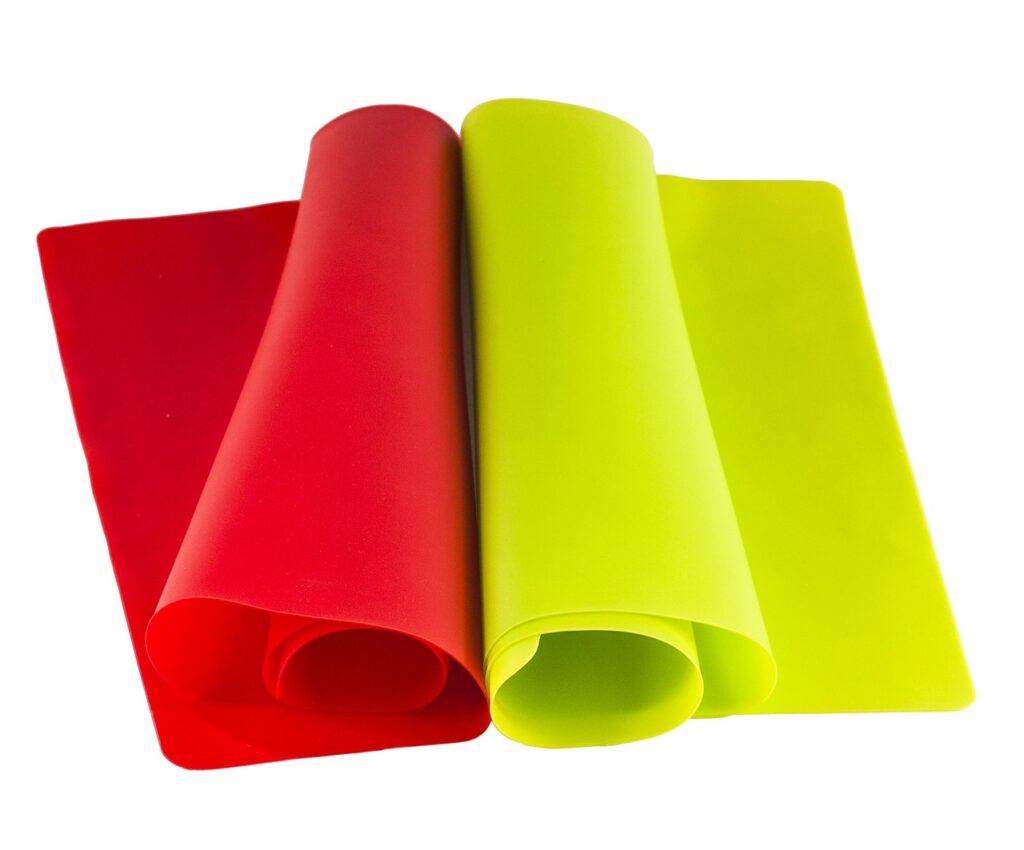
When you buy silicone coated fiberglass cloth, the job is usually clear: stop sparks, radiant heat, light splash, weather exposure, or hot air from damaging areas where normal fabric will fail quickly. This coated textile uses a woven fiberglass base and a silicone rubber surface, so it gives glass fiber strength with a smoother coating that is easier to cut, move, and install.
The buying point is not only “high temperature.” Buyers also need to check roll width, coating weight, tear strength, sewing behavior, color, surface tack, and how the cloth looks after bending for weeks. A welding screen in a metal shop may be dragged, folded, clipped, and wiped down every day, while a removable insulation cover near a valve takes a different kind of wear. Same material family, but the buying logic is not the same.
The Fiberglass Core Holds Shape
Fiberglass fabric gives the cloth its base strength. It does not burn like cotton or melt like many plastic films. In common industrial grades, the woven structure helps the fabric hold its shape when it sees hot air or radiant heat, which matters when a curtain must hang straight or a gasket must stay flat around a flange.
The Silicone Surface Adds a Tough Barrier
The silicone coating helps the cloth resist water, oil splash, abrasion, and normal shop dirt. It also makes the material less itchy to handle than raw fiberglass. That may sound like a small point, but a worker cutting many panels on a bench will notice the difference before the shift is half done.
The Fabric Stays Flexible After Repeated Handling
A hard heat shield can protect an area, but it can also be slow to install. Silicone coated fiberglass cloth stays flexible enough for curtains, removable covers, expansion joints, duct connectors, and custom sleeves. It can be cut, sewn with suitable thread, fitted with eyelets, or built into multi-layer assemblies.
How Much Heat Can Silicone Coated Fiberglass Cloth Take?
Heat ratings need careful reading because the glass fabric and the silicone coating are not rated in the same way. Public product data gives a useful reference point. Saint-Gobain’s SCF1032 data sheet published in April 2024 lists an operating range of -85°F to +500°F for one silicone rubber coated fiberglass fabric. McAllister Mills’ public silicone-fiberglass fabric page states that base fiberglass can be rated around 1000°F or 550°C, while the silicone coating is rated for continuous use around 550°F or 287°C. So the rating on the finished coated fabric is the number to use, not only the rating of the bare glass base.
Continuous Heat Rating Comes First
Continuous service temperature is the number that matters most for daily use. If a duct sleeve runs near 230°C every shift, choose a grade with enough margin. Do not buy only by a short peak value and then expect the surface to stay soft, clean, and stable month after month.
Short Heat Spikes Need Margin
Sparks and short hot splash are not the same as constant oven heat. A welding blanket may see quick bursts, while an insulation jacket may sit near a hot pipe for years. A small safety margin can save replacement work, especially when the fabric is installed high up or behind equipment.
Test Reports Beat Guesswork
Ask for thickness, weight, coating side, temperature range, flame behavior, and any available test report. ASTM D6413 is a common textile flame resistance test method. ASTM’s public description says it measures afterflame time, afterglow time, and char length under controlled lab conditions. The test is useful, but it does not describe every real fire risk by itself, so application details still matter.
Where Should You Use Silicone Coated Fiberglass Cloth?
This material works best when heat resistance has to come with flexibility. It is common in factories, ship repair yards, HVAC systems, insulation workshops, power plants, and fabrication lines. It is not the answer for every hazard, but it is a useful layer when the grade is chosen for the actual job.
Welding Curtains and Spark Blankets
For welding curtains and spark blankets, silicone coated fiberglass cloth can help block sparks, slag, and light radiant heat. NFPA Research supporting tables published in September 2023 reported that, during 2017–2021, U.S. structure fires caused by hot work averaged 3,396 fires per year and $292 million in direct property damage. In non-home structures, cutting or welding too close to combustibles was listed as a factor in 647 fires, or 33 percent, with $45 million in direct damage. The numbers make the point plain: separation, shielding, and clean work areas are part of the job, not optional add-ons.
Removable Insulation Covers
For valves, pumps, exhaust parts, and pipe fittings, the cloth can be sewn into removable insulation jackets. The silicone surface handles moisture and oil film better than raw fiberglass. If the cover is opened every month for inspection, flexibility becomes important. Stitch strength also matters because a cover that tears at the seam will not last in normal plant use.
Expansion Joints and Flexible Ducts
Air ducts, exhaust connectors, and expansion joints need room to move. A coated fiberglass layer can take heat while bending with the system. For these parts, ask about coating uniformity, fabric weave, and finished thickness. A small pinhole or weak seam can become the first failure point once the line starts moving and heating up.
What Should You Check Before Buying This Coated Fabric?
A good purchase starts with clear working conditions, not just a product name. Two rolls can both be called silicone coated fiberglass cloth and still feel different in hand and in fabrication. Coating weight, base fabric style, one-side or two-side coating, and post-treatment all change the final roll.
Fabric Weight and Thickness
Lightweight cloth is easier to fold and sew. Heavier cloth takes more abuse and blocks more radiant heat. For curtains, buyers often need to balance weight with the limits of the hanging frame or rail. For gaskets and removable pads, thickness may change compression, fit, and the way the part closes around equipment.
One-Side or Two-Side Coating
One-side coated fabric can be enough when only one face sees splash or abrasion. Two-side coated cloth gives cleaner handling and protected surfaces on both sides. It is often selected for curtains, covers, and fabric expansion joints where both faces may be exposed during use.
Color and Surface Feel
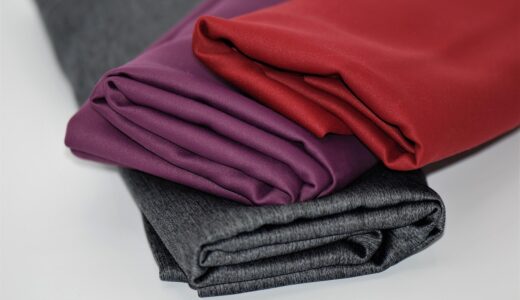
Red, gray, black, white, and silver are common choices. Color is not only about appearance. In a workshop, red can mark hot-work areas clearly. Gray or silver may look cleaner around insulation systems. Surface feel also matters because a slightly grippy coating may stay in place better, while a smoother finish is easier to wipe down.
How Does It Compare With Other Heat Resistant Fabrics?
Material choice is easier when you compare the job instead of the sales wording. Silica cloth, PTFE coated fiberglass, acrylic coated fiberglass, and raw fiberglass all have their own place. Silicone coated fiberglass cloth sits in a practical middle range: heat resistance, flex life, surface strength, and workable cost.
Silicone Coating vs PTFE Coating
PTFE coated fiberglass is often used when release properties and chemical resistance are the main needs. Silicone coated fiberglass is often used for flexibility, abrasion resistance, and spark protection. If food release or sticky adhesive handling is the main issue, PTFE may be the better choice. If the job is welding screens or insulation covers, silicone is usually easier to work with. See also: Applications.
Silicone Coating vs Acrylic Coating
Acrylic coated fiberglass can be a lower-cost choice for smoke curtains or general fire-resistant barriers. It usually cannot match silicone for higher heat and repeated flexing. For light-duty barriers, acrylic may be enough. For hot, dirty, moving areas, silicone gives a safer working margin.
Coated Cloth vs Raw Fiberglass
Raw fiberglass handles heat well, but it can fray, shed fibers, and feel rough during cutting. Coating helps control fraying and gives the fabric a cleaner hand. In real production, this can reduce loose fibers around the cutting table. It can also make finished parts look cleaner when they reach the end user.
How Should You Handle Safety, Cutting, and Installation?
Heat resistant cloth is only one part of a safety setup. It should not replace ventilation, hot-work permits, safe distance from combustibles, or worker training. OSHA’s 29 CFR 1926.353 requires mechanical ventilation for welding, cutting, and heating to keep fumes and smoke within safe limits when needed, and it also describes local exhaust systems placed close to the work. NIOSH guidance on welding controls explains that welding fumes vary by metal, process, and exposure time. A curtain can block sparks and light, but it does not remove fumes.
Clean Cutting and Edge Treatment
Use sharp tools and a clean table. For parts that will be used many times, sew hems or use suitable edge binding to reduce fray. If the panel will hang from grommets, reinforce the top band. A cheap grommet through a single fabric layer can tear out sooner than expected. This is a common failure point on curtains that are moved every day.
Ventilation and Fume Control
Do not close off a work area so tightly that fumes build up inside. Leave space for air movement and exhaust capture. If stainless steel, galvanized metal, coatings, or confined spaces are involved, review the ventilation plan before the curtain layout is fixed. The fabric layout should support safety work, not trap the hazard near the welder.
Storage and Routine Inspection
Store rolls dry and keep them away from sharp edges. Inspect curtains and blankets for holes, hard spots, burn-through, loose stitching, and coating cracks. OSHA’s 2023 combustible dust program notice reminds industry that finely divided combustible material can burn rapidly and may become explosible when suspended in air at the right concentration. In textile, grinding, and fabrication zones, dust can sit on ledges and fabric surfaces. Cleaning it off is a real safety task, not just a neatness issue.
What Buying Details Help You Get the Right Roll?
Before placing an order, write down the actual working conditions. A supplier can recommend a better grade when you provide temperature, contact type, panel size, color, quantity, certification needs, and fabrication method. Vague requests often lead to a safe but expensive choice, or worse, a roll that does not feel right when it reaches the shop floor.
Application Details and Temperature Range
Share whether the cloth will face radiant heat, direct spark, hot air, oil mist, outdoor weather, or repeated bending. Give both the normal working temperature and the short peak temperature. If the material touches a hot surface, say it clearly. Contact heat is tougher on the fabric than nearby radiant heat.
Roll Size and Fabrication Method
Confirm roll width, length, thickness, and packing before the order is closed. If you plan to sew panels, ask whether the coating works well with stitching and folding. If you plan die cutting, check tolerance and edge behavior. These small points can affect labor cost more than a small difference in fabric price. They also reduce surprises during first-batch production.
Documents and Sample Approval
Ask for a technical data sheet, safety-related documents, and a sample before bulk orders. A small sample can show color, hand feel, odor, surface tack, and bend behavior. For export projects, also confirm labeling, carton strength, pallet method, and any compliance document the end user expects. It is easier to clear these details before shipment than after the goods arrive.
- State the continuous working temperature and peak temperature.
- Choose one-side or two-side coating based on exposure.
- Check thickness, weight, roll width, and color before approval.
- Request flame test data when the application has hot-work risk.
- Inspect seams, grommets, and edges during fabrication.
FAQ
Q1: Is Silicone Coated Fiberglass Cloth Fireproof? A: It is better described as heat resistant and flame resistant, not fully fireproof. Real performance depends on coating weight, fabric style, exposure time, airflow, and whether the cloth faces direct flame, sparks, or radiant heat.
Q2: Can You Use It as a Welding Blanket? A: Yes, suitable grades are widely used for welding blankets and curtains. Choose the correct weight and temperature rating, and keep the blanket away from heavy molten metal unless the grade is made for that duty.
Q3: Does Silicone Coated Fiberglass Cloth Resist Water and Oil? A: The silicone surface improves water and oil resistance compared with raw fiberglass. It is still better to check the exact coating and test it if the fabric will face strong chemicals or long oil exposure.
Q4: Can the Fabric Be Sewn or Cut Into Custom Parts? A: Yes. It can be cut, sewn, hemmed, fitted with grommets, or used in layered insulation covers. Use suitable thread and reinforce load points, especially on hanging curtains.
Q5: What Information Should You Send for a Quotation? A: Send the application, working temperature, peak temperature, roll width, thickness or weight target, coating side, color, quantity, and any test or compliance document needed by the end user.