Diamond twill wool fabric explained for design, sourcing, and care
What diamond twill wool fabric is
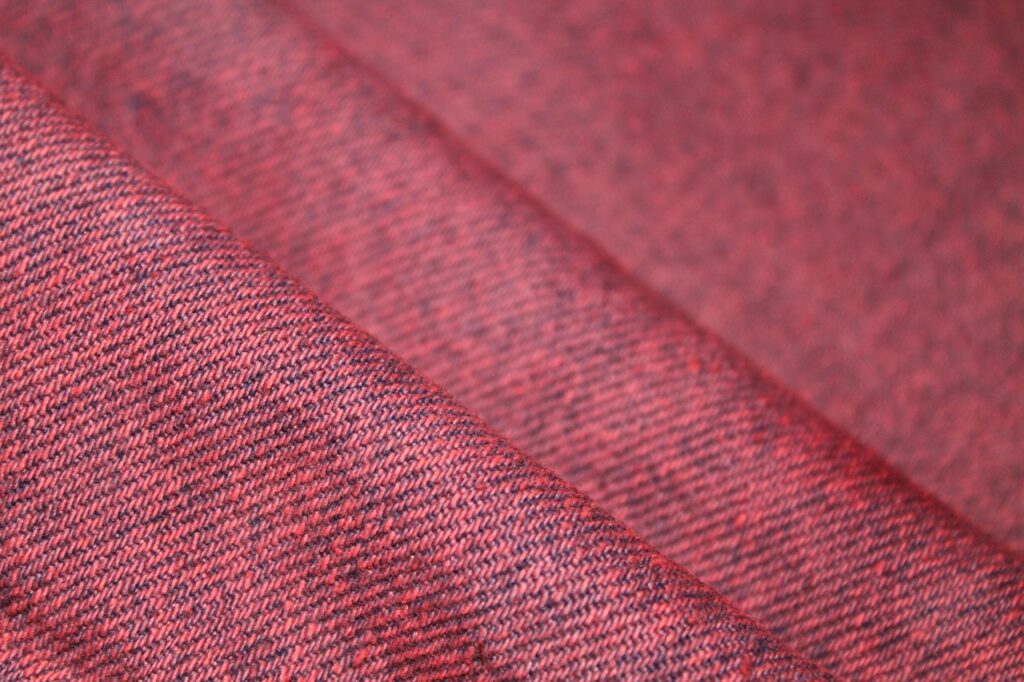
Diamond twill wool fabric is a woven wool or wool-blend textile in which the twill lines reverse direction to form a repeated diamond or lozenge effect. It is not simply a printed diamond pattern. The geometry is created by the interlacement of warp and weft yarns, so the motif is part of the fabric structure. For designers, buyers, and textile teams, its main value is the balance between surface interest and wool performance: it can look more decorative than a plain twill while retaining warmth, body, and natural drape.
Within the wider family of woven structures, diamond twill sits between basic twills and more complex figured weaves. It is usually selected when a fabric needs quiet patterning rather than a large graphic effect. Depending on yarn count, wool type, finishing, and color contrast, the result can be subtle and tailored or rustic and strongly textured.
How the diamond twill structure is formed
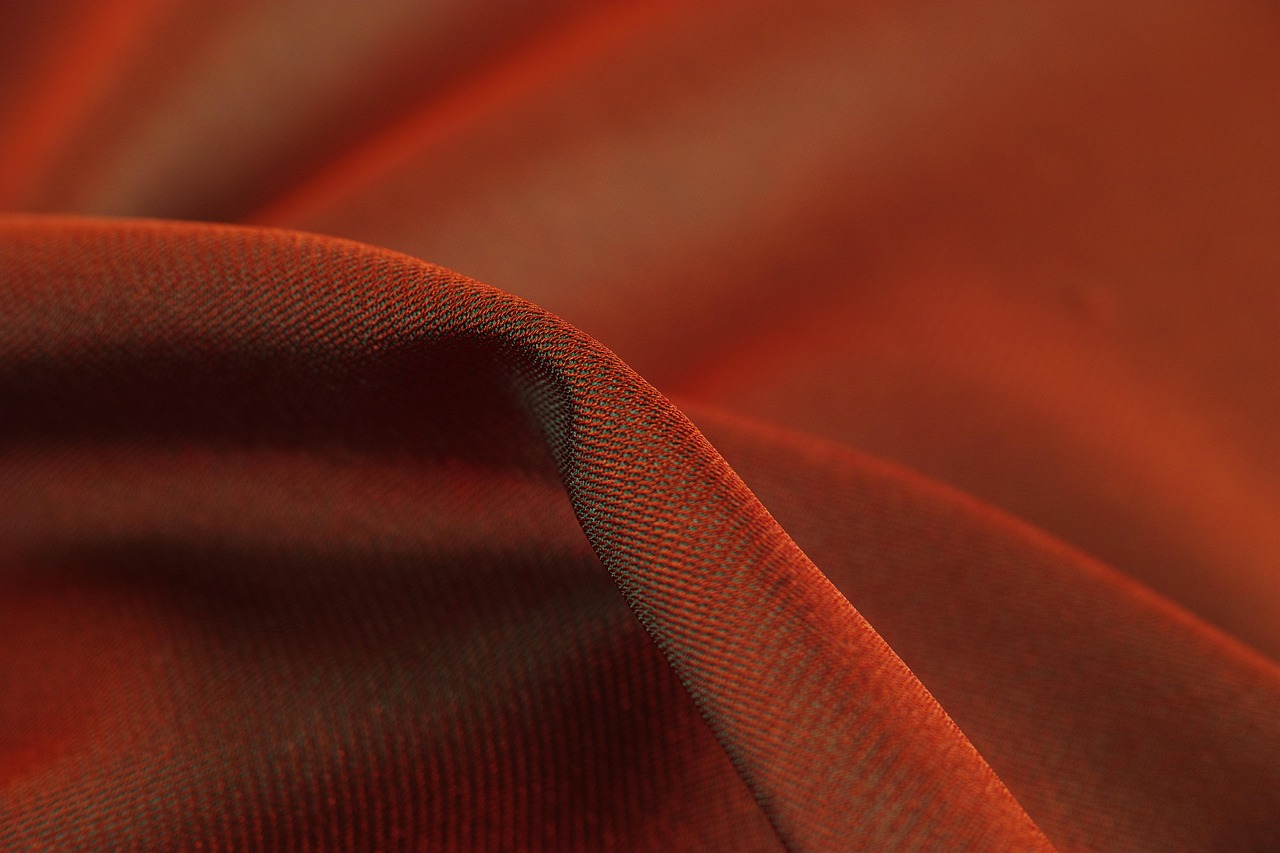
A basic twill is identified by diagonal ribs, or wales, formed as the interlacements step consistently across the cloth. Diamond twill develops this principle by reversing the direction of the twill line at planned intervals. Where the diagonals meet and turn back, the surface reads as a repeated diamond shape. Depending on the exact draft and local terminology, the same structural idea may also be described as a pointed, broken, or reversed twill effect.
From diagonal movement to diamond repeat
The diamond effect depends on symmetry. In a simple twill, the diagonal travels in one direction. In diamond twill, the line moves outward and then inward, or upward and then downward, so the eye reads a closed shape. The repeat may be small and almost textural, or large enough to become a visible design feature. Contrasting warp and weft colors can make the construction more prominent, but color contrast is not required for the structure to exist.
Repeat size and visual scale
Repeat size affects both appearance and suitability. A small diamond repeat can work as a refined micro texture for jackets, tailored separates, and accessories. A larger repeat feels more decorative and may suit coats, blankets, upholstery accents, or heritage-inspired textiles. Larger repeats also require more attention during cutting, especially at seams, lapels, pockets, and panels where pattern matching may be visible.
What wool adds to the weave
Wool gives diamond twill a different character from cotton, linen, or synthetic versions of the same weave. Wool fibers have natural crimp and elasticity, helping the fabric recover from minor creasing and giving it a fuller hand. Wool can also trap air, contributing warmth without requiring an excessively heavy cloth. These qualities are useful when the weave is intended for fall and winter apparel, structured outerwear, scarves, blankets, or soft interior textiles.
The yarn type makes a major difference. Worsted wool yarns are generally smoother and more compact, making them suitable for sharper tailoring and cleaner surface definition. Woolen-spun yarns are typically loftier and hairier, giving diamond twill a softer, warmer, and sometimes more rustic appearance. Blends can also change performance. Nylon may be used to improve abrasion resistance, polyester can add stability or reduce cost, and viscose or other cellulosic fibers may soften drape. Appearance alone should not be used to assume blend content; fiber composition should be confirmed from the supplier specification or by testing where necessary.
Where diamond twill wool fabric works best
Diamond twill wool fabric is most useful when the surface needs structure and pattern without relying on a printed motif. It can add depth to solid colors, make heathered yarns more interesting, and create a tactile surface under side lighting. Because the pattern is woven, it usually feels integrated rather than applied.
| Application | Why diamond twill works | Specification point to check |
|---|---|---|
| Coats and jackets | The weave adds visual body while wool contributes warmth and shape retention. | Check fabric weight, thickness, seam bulk, and pilling tendency. |
| Tailored separates | Small diamond repeats can provide texture without looking too casual. | Confirm drape, crease recovery, and whether the repeat needs matching. |
| Scarves and wraps | Soft woolen yarns can make the diamond texture feel warm and tactile. | Check handle, skin comfort, edge finishing, and dimensional stability. |
| Blankets and throws | Larger repeats can create a heritage or craft-inspired look. | Review shrinkage, brushing, weight, and care method. |
| Interior accents | The geometric structure adds quiet pattern to cushions or panels. | Assess abrasion resistance, colorfastness, and cleaning requirements. |
The fabric is less suitable when a completely flat, smooth, or minimal surface is required. It may also be unsuitable for very fluid garments if the chosen construction is heavy, dense, or heavily finished. The weave name alone does not define weight or drape, so physical sampling remains important.
How it differs from related weaves
Diamond twill is often confused with herringbone, ordinary twill, and printed diamond designs. The differences matter because each surface behaves differently in design, sourcing, and cutting.
| Fabric or pattern type | Main visual feature | How it differs from diamond twill |
|---|---|---|
| Basic twill | Continuous diagonal ribs | The diagonal direction usually runs consistently rather than forming closed diamond shapes. |
| Herringbone | Repeated V or chevron effect | The reversal creates zigzags; diamond twill closes the geometry into lozenges or diamond units. |
| Basket weave | Over-under block effect | The texture is more grid-like and does not rely on diagonal twill movement. |
| Printed diamond pattern | Motif applied by printing | The diamond is on the surface print, not created by yarn interlacement. |
| Jacquard diamond fabric | Figured design controlled by jacquard mechanisms | It may create more complex motifs, while diamond twill is usually based on twill reversals. |
These distinctions help prevent sourcing mistakes. If a brief asks for diamond twill wool fabric, the requirement concerns weave structure, not only appearance. A swatch photo can help, but a weave description, construction detail, and physical sample are more reliable.
Key specification points for sourcing and design
When evaluating diamond twill wool fabric, the most useful questions are practical rather than decorative. A clear specification reduces the risk of receiving a fabric that looks right in a small image but fails in production or use.
- Fiber content: Confirm whether the fabric is 100% wool or a wool blend, and identify the blend fibers and percentages.
- Yarn type: Ask whether the yarn is worsted, woolen-spun, carded, combed, dyed, mélange, or piece-dyed, because this affects clarity and hand feel.
- Fabric weight: GSM or ounces per yard should match the end use. A coat fabric and a scarf fabric can both be diamond twill but behave very differently.
- Repeat size: The diamond scale affects visual impact, marker planning, cutting waste, and seam alignment.
- Width: Usable width matters for garments, blankets, and interior panels, especially when pattern matching is needed.
- Finish: Fulling, brushing, pressing, decating, shearing, and anti-pilling treatments can all change the surface and stability.
- Performance tests: Depending on the market, check dimensional change, pilling, abrasion, seam slippage, colorfastness, and moth-resistance requirements.
- Care method: Wool fabrics may require dry cleaning, gentle washing, or professional care depending on construction and finish.
A small swatch is useful for checking color and pattern, but it cannot always predict drape, shrinkage, seam behavior, or long-term wear. For product development, larger sampling or garment trials are more reliable, especially when the diamond repeat is visible.
Care, finishing, and performance limits
Wool diamond twill should not be treated as one universal fabric. Some versions are compact, smooth, and stable; others are lofty, brushed, and more sensitive to abrasion or moisture. The care instruction should be based on the exact fiber content, dyeing, finishing, and test results, not only on the word “wool.” Textile care-label systems such as ISO 3758 organize care information around washing, bleaching, drying, ironing, and professional textile care, which is why complete care evaluation matters before a finished item reaches the consumer. See also: Applications.
Finishing is especially important. Fulling can make wool fabric denser and warmer, but it may soften the diamond definition. Brushing can create a pleasant surface nap while blurring fine geometry. Pressing and decating can improve dimensional stability and produce a cleaner handle. Anti-pilling finishes may be useful for apparel or interiors, but they should be evaluated against hand feel and appearance. The final fabric is the combined result of weave, fiber, yarn, and finish.
There are also design limitations. Strong diamond patterns can create visual distortion if placed across curved seams or complex tailoring. Heavy fabrics may produce bulky seam allowances. High-contrast repeats may require careful matching, increasing cutting time and material usage. These are not defects; they are planning factors that should be considered before production.
How to choose the right diamond twill wool fabric
The best choice depends on the intended product. For tailored clothing, look for a balanced fabric with clean definition, controlled stretch, and enough drape to move with the body. For coats, prioritize weight, warmth, recovery, and resistance to surface wear. For scarves or throws, handle, softness, and edge finishing may matter more than sharp pattern clarity. For interiors, abrasion, pilling, and cleaning performance should be reviewed more strictly.
Color also affects the result. Solid dark shades make the diamond texture subtle and formal. Heathered yarns create depth and a more traditional wool character. High-contrast warp and weft can make the diamond repeat bolder, but this may reduce versatility in apparel. If the fabric will be photographed for e-commerce, the repeat scale should be tested under realistic lighting because small structural patterns can appear different on screen than they do in hand.
A practical selection process starts with function, then moves to appearance. Define the end use, target weight, comfort requirement, care method, and performance needs first. After that, compare diamond scale, yarn character, and finish. This reduces the risk of choosing the weave only because it looks attractive in a swatch.
Frequently asked questions
Is diamond twill wool fabric the same as herringbone?
No. Both can involve reversed twill directions, but herringbone typically creates a repeated V-shaped or chevron effect. Diamond twill forms closed diamond or lozenge shapes. The two can look related, but they are not the same structure.
Is the diamond pattern printed or woven?
In true diamond twill, the pattern is woven into the fabric by the interlacement of warp and weft yarns. A printed diamond motif may look similar from a distance, but it is not the same as structural diamond twill.
Can diamond twill wool fabric be used for suits?
It can be used for tailored garments if the fabric is fine, stable, and appropriately finished. However, larger or heavier diamond repeats may be better suited to jackets, coats, or separates than formal suiting.
Does diamond twill make wool fabric warmer?
The weave can influence thickness and surface texture, but warmth depends more on wool type, yarn, fabric weight, density, and finishing. A light diamond twill is not automatically warmer than a heavier plain or regular twill wool fabric.
What should buyers check before ordering?
Buyers should confirm fiber content, weight, width, repeat size, finish, care instructions, and relevant performance tests. For visible diamond repeats, it is also wise to check pattern matching needs and cutting yield before scaling production.