Grey ripstop fabric explained for sourcing and finishing
What grey ripstop fabric means
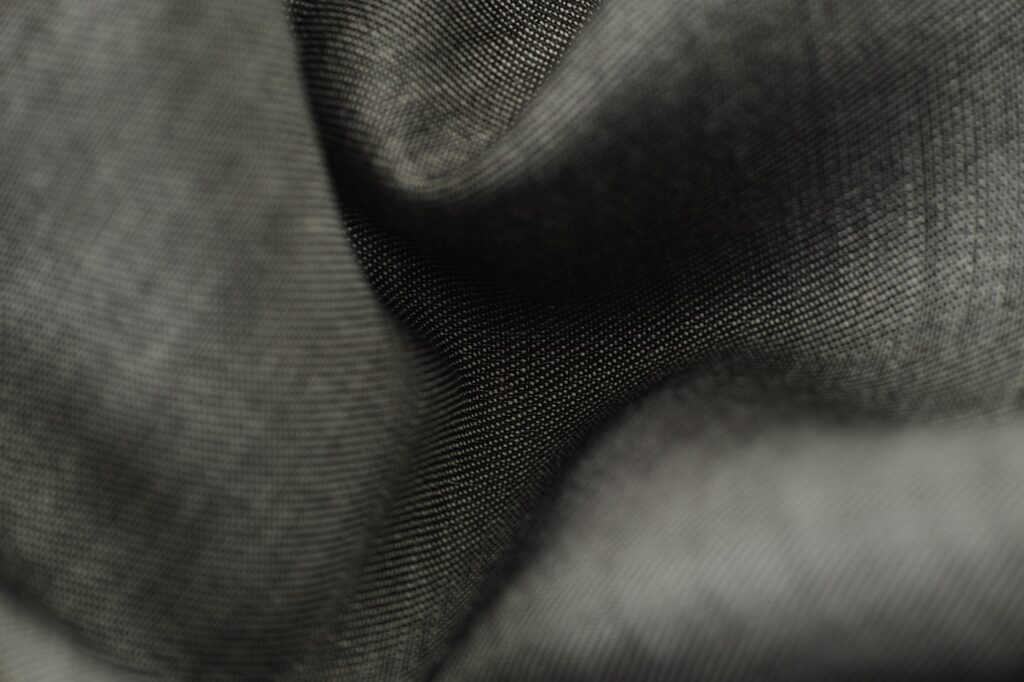
Grey ripstop fabric can mean two different things in textile sourcing. It may refer to greige ripstop that has just come off the loom, before bleaching, dyeing, coating, or finishing. It may also mean ripstop fabric already finished in a grey color. For development and purchasing, that distinction is important. The greige stage is where construction quality, tear behavior, and readiness for wet processing need to be checked before additional cost is added.
Ripstop is not a fiber name, and it is not a guaranteed performance grade. It is a woven reinforcement approach. Stronger, heavier, higher-tenacity, doubled, or otherwise different yarns are placed at regular intervals in the warp, the weft, or both directions. The purpose is to help interrupt tear growth so a small cut or snag is less likely to spread freely through the base cloth.
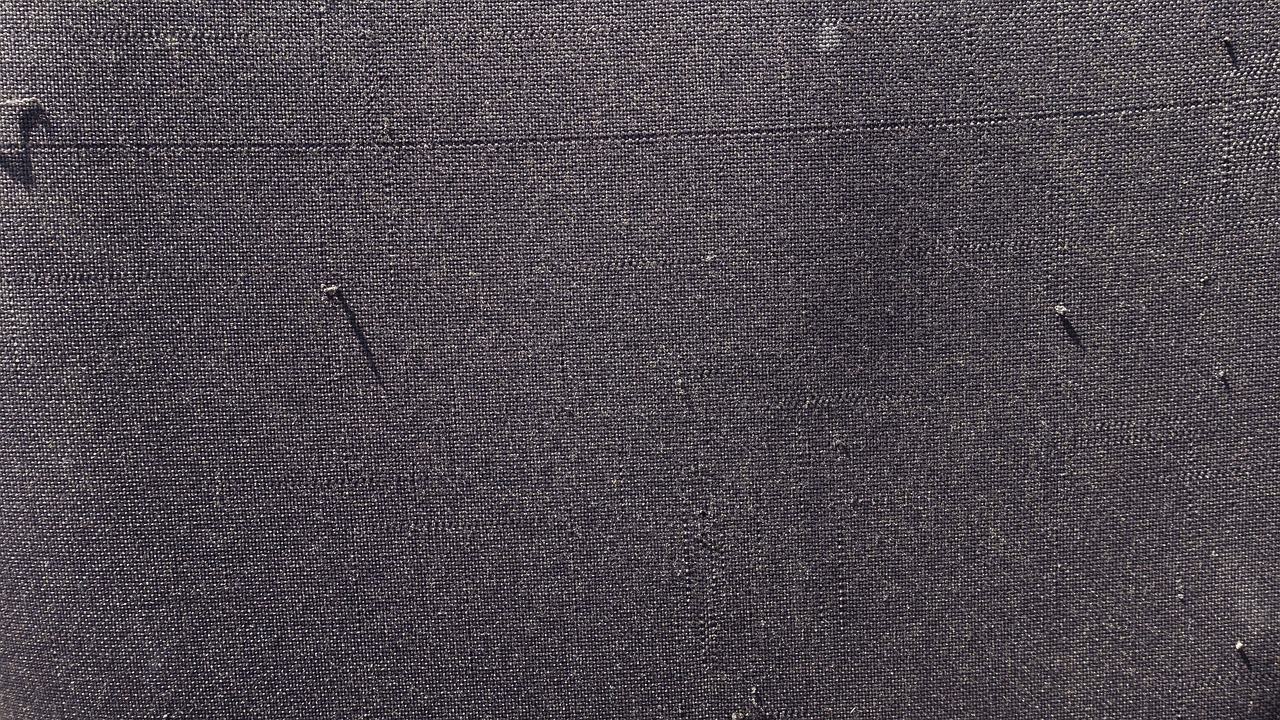
The wording can also cause confusion. Mill documents, dye-house notes, and purchase orders may use grey, gray, and greige around unfinished goods. A specification should state whether the requirement is loom-state greige fabric or finished grey-colored fabric. A line such as greige, unfinished, suitable for dyeing and finishing is clearer than simply writing grey ripstop. For related construction background, see the Weaves section.
How the ripstop grid changes fabric behavior
The visible or slightly raised grid is the feature most buyers associate with ripstop. In a basic construction, the ground cloth may be a plain weave, while reinforcement yarns are inserted at set intervals to form squares, rectangles, or less common grid patterns. These yarns help stop or slow a tear once it reaches the reinforcement. They do not make the entire fabric indestructible.
This point matters in specifications because tear resistance is not the same as tensile strength, abrasion resistance, puncture resistance, seam strength, or coating adhesion. A ripstop grid may improve resistance to tear propagation after a snag or cut, but it does not solve every durability requirement. A lightweight lining, a tent fly, a casual jacket, and a bag reinforcement can all be called ripstop while needing very different performance targets.
Several construction variables influence the final result:
- Base yarn and fiber: Nylon, polyester, cotton, poly-cotton, and other blends respond differently to moisture, heat, dyeing, and abrasion.
- Reinforcement direction: A grid in both warp and weft generally controls tear propagation more evenly than reinforcement in only one direction.
- Grid spacing: Closer reinforcement may improve tear control, but it can make the grid more visible and change the hand feel.
- Fabric weight: Lightweight ripstop often aims for a strength-to-weight balance. Heavier constructions may prioritize stability, opacity, or rugged handling.
- Finishing route: Dyeing, coating, calendering, water-repellent finishing, softening, and heat setting can affect air permeability, hand, width, shrinkage, and final performance.
Why the greige stage matters before dyeing and finishing
Greige ripstop is an unfinished intermediate fabric. It may still contain weaving oils, sizing agents, natural impurities, lint, or handling marks. Depending on fiber content and end use, preparation may include desizing, scouring, bleaching, heat setting, or washing before dyeing or coating. Treating greige fabric as if it were already ready for dyeing can lead to uneven shade, poor wetting, coating defects, or unstable shrinkage.
Ripstop also needs grid-specific inspection. The reinforcement pattern must be regular enough for the intended appearance and performance. Missing reinforcement yarns, broken ends, reed marks, oil spots, bowing, skewing, and tension variation can become more obvious after dyeing, printing, or coating. A defect that looks minor on off-white greige fabric may stand out in a dark grey shade or under a glossy coating.
| Fabric stage | What it means | Key check |
|---|---|---|
| Greige or grey goods | Loom-state fabric before dyeing and finishing | Construction, defects, weight, width, and preparation needs |
| RFD fabric | Prepared for dyeing after cleaning or other pre-treatment | Absorbency, whiteness if relevant, pH, and dyeing consistency |
| Dyed grey ripstop | Ripstop finished in a grey shade | Shade match, colorfastness, shrinkage, and appearance |
| Coated or finished ripstop | Ripstop with functional or surface treatment | Coating adhesion, air permeability, water resistance, hand, and durability |
Specification points to confirm before ordering
A useful grey ripstop fabric specification should do more than list color and width. Ripstop is a construction family, not a single material. Two fabrics in the same grey shade can perform very differently if the fiber, yarn, grid spacing, weight, or finishing route is different. The strongest specifications connect construction, processing stage, and agreed test methods.
- State the fabric stage: Use greige, RFD, dyed, printed, coated, or finished. Do not rely on grey alone if unfinished fabric is required.
- Identify fiber content: Nylon, polyester, cotton, and blends differ in dye systems, heat behavior, moisture behavior, and dimensional stability.
- Define yarn details: Include yarn count, denier, filament or spun yarn type, and reinforcement yarn information where available.
- Record construction: Note weave base, ends and picks per inch or centimeter, grid spacing, reinforcement direction, and any visible pattern requirement.
- Specify mass and width: Fabric weight and usable width should be measured by an agreed method, not estimated from a swatch.
- Clarify finishing limits: If the fabric will be coated, dyed dark grey, printed, garment washed, or heat set, state the expected processing route early.
- Agree on defect grading: Visual acceptance rules should cover both general woven defects and grid-specific irregularities.
- Request test direction: Tear and tensile results should report warp and weft directions separately because ripstop behavior is directional.
For development teams, it is also useful to keep both an approved greige reference and an approved finished reference. The greige reference helps identify weaving variation before additional processing cost is added. The finished reference shows whether the chosen route delivers the required hand, shade, shrinkage, and performance.
Testing that matters for grey ripstop fabric
Test names should be written into the specification. Terms such as strong, durable, lightweight, or breathable are too broad for commercial comparison. Public summaries from ASTM, ISO, and AATCC list several commonly used methods for woven fabric evaluation. The current edition should always be confirmed with the buyer, laboratory, or standard owner because standards are revised over time.
| Property | Why it matters for ripstop | Commonly cited method examples |
|---|---|---|
| Tear force | Shows resistance to propagation from a cut, which is central to ripstop evaluation | ASTM D1424, ISO 13937-1 |
| Breaking strength and elongation | Measures fabric strength under tensile load, separate from tear behavior | ASTM D5034, ISO 13934-2 |
| Mass per unit area | Confirms weight targets and helps compare strength-to-weight balance | ASTM D3776/D3776M |
| Air permeability | Important for apparel, linings, tents, filters, and coated constructions | ASTM D737 |
| Absorbency or wetting | Useful before dyeing, finishing, or chemical treatment | AATCC TM79 |
| Visual inspection and grading | Controls roll defects, grid irregularity, stains, and weaving faults | ASTM D5430 |
No single result proves overall quality. A high Elmendorf tear value does not prove good abrasion resistance. A good tensile value does not prove the grid will look regular after dyeing. Low air permeability may be desirable in one coated fabric and unacceptable in a breathable shell fabric. Test selection should follow the final application, not just the ripstop label.
Common trade-offs in development
Strength versus hand feel
Increasing reinforcement yarn size or density can improve tear control, but it may also make the surface more textured, stiff, or noisy. That trade-off may be acceptable for bags, covers, and utility goods. It may be less suitable for close-to-body apparel or soft linings. Finishing can soften the hand, but aggressive finishing may also change dimensions or reduce some mechanical values. See also: Applications.
Lightweight performance versus process stability
Ripstop is often selected because it can support tear resistance without making the whole cloth heavy. Very light greige fabric, however, can be more sensitive to tension, heat, and chemical processing. Narrower process windows may appear during dyeing, calendering, or coating. Development should evaluate not only the first lab dip or first finished sample, but also roll-to-roll consistency.
Appearance versus hidden performance
Some projects want a clearly visible grid as part of the design. Others prefer a subtle grid that is felt more than seen. Dark grey dyeing, resin treatment, or coating can either emphasize or hide the grid, depending on yarn contrast and surface finish. Appearance approval should be paired with performance testing so the fabric is not accepted only because it looks right.
Where grey ripstop fabric fits best
Grey or greige ripstop can be a practical starting point for many product directions, but the right version depends on the downstream process. Nylon ripstop is often considered where lightweight tear resistance and packability are priorities. Polyester ripstop can be attractive where dimensional stability, UV exposure, or lower moisture uptake are important considerations. Cotton or cotton-blend ripstop may be selected for workwear, casual apparel, or applications where a natural hand is valued, although finishing and shrinkage control become especially important.
For a mill, converter, designer, or sourcing team, the safer approach is to define the final use first and then work back to the greige specification. If the final fabric must be dyed a stable medium grey, coated on one side, sewn into tight curves, or washed after garment making, those requirements should shape the construction and testing plan from the beginning.
Frequently asked questions
Is grey ripstop fabric the same as greige ripstop fabric?
Not always. In textile trade, grey or greige often means unfinished loom-state fabric. In retail or design language, grey may simply mean the color. Specifications should say greige unfinished or finished grey color to avoid confusion.
Does ripstop fabric stop all tearing?
No. Ripstop construction is designed to help limit tear propagation, especially after a small cut or snag reaches a reinforcement yarn. It does not make fabric immune to puncture, abrasion, seam failure, yarn breakage, or damage from harsh use.
Can greige ripstop be dyed directly?
It depends on the fiber, sizing, oils, impurities, and dyeing requirements. Many greige fabrics need preparation such as desizing, scouring, washing, bleaching, or heat setting before dyeing. A dye-house trial and absorbency check can reduce the risk of uneven shade.
Which test best proves ripstop performance?
Tear testing is the most direct starting point because ripstop is mainly about controlling tear propagation. Elmendorf-type tear methods such as ASTM D1424 or ISO 13937-1 are commonly cited, but they should be combined with tensile, weight, dimensional, air permeability, and visual inspection tests when those properties matter to the end use.
What should be included in a grey ripstop purchase specification?
Include fabric stage, fiber content, yarn details, construction, reinforcement direction, grid spacing, width, weight, finishing route, color requirement if any, shrinkage limits, defect grading rules, and agreed test methods. The clearer the specification, the lower the risk of receiving a fabric with the right name but the wrong performance.