Is Rip Stop Nylon Fabric the Best Choice for Outdoor Gear and Workwear?
What Makes Rip Stop Nylon Fabric Different from Plain Nylon?
When buyers compare lightweight technical textiles, rip stop nylon fabric is often on the table because it helps control tearing without making the cloth bulky. If you are sourcing woven materials for jackets, tents, bags, covers, or uniform panels, it is better to check the weave first, not only the fiber name. You can also browse related woven fabric options in the Weaves section when building a shortlist for product development.
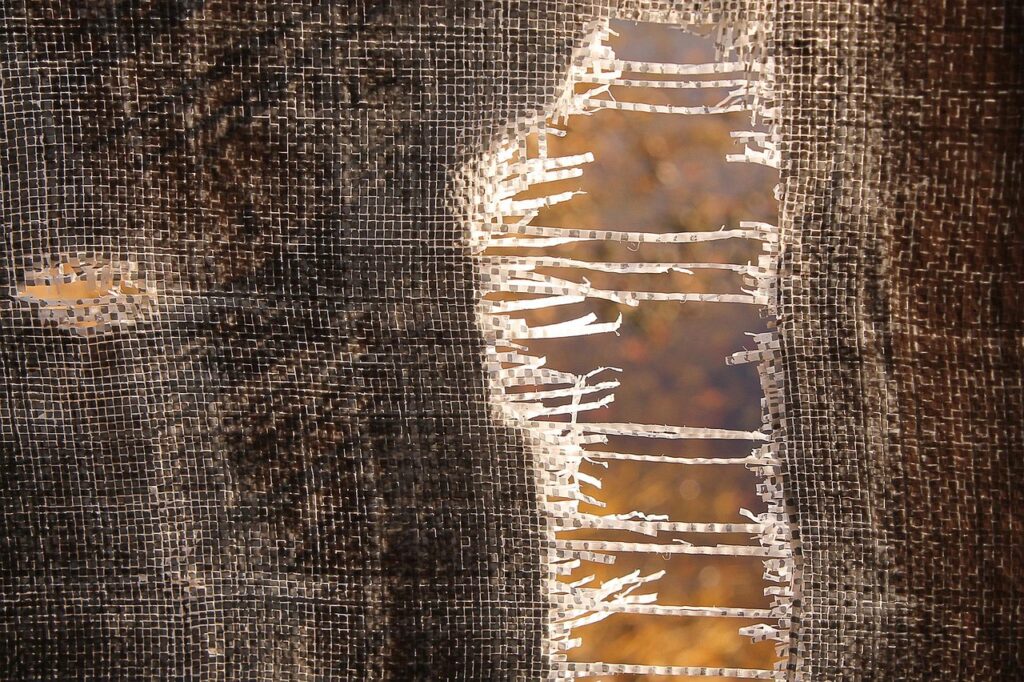
The main idea is not hard to understand. Ripstop is not magic, and it is not fully tear proof. It is a woven structure that uses stronger reinforcement yarns at set intervals. That grid helps keep a small cut from spreading across the whole panel. In daily use, a branch snag, zipper bite, or stressed corner may stay in one area instead of ruining the full product.

Reinforced Grid Construction
Plain nylon fabric usually uses yarns of close size in the warp and weft. Ripstop adds a clear or low-profile grid, often with thicker yarns placed every few millimeters. The grid can look like small squares, diamonds, or rectangles, depending on loom setup and yarn plan. A 5 mm grid and a 10 mm grid do not feel the same, and most buyers can tell the difference by hand before they read the spec sheet.
Nylon Filament Strength
Nylon is widely used because it can offer good strength with low fabric weight. The U.S. Federal Trade Commission defines nylon as a manufactured fiber based on long-chain synthetic polyamide, so fiber disclosure still matters for products sold in the United States. For sourcing work, ask whether the fabric is nylon 6, nylon 66, recycled nylon, or a blended construction. This detail can change cost, hand feel, dyeing result, and heat behavior.
Tear Control Rather Than Tear Proofing
A more accurate way to describe ripstop is tear control. If a sharp object cuts the base fabric, the reinforcement yarns help slow down more tearing. Even so, coating, yarn quality, density, and sewing method still affect the result. A thin 40D ripstop can work well for a packable shell, but it is not the same as a 210D or 420D fabric used for luggage panels. This difference is small on paper, but it can prevent returns later.
Which Specifications Should You Check Before Ordering?
Spec sheets help, but numbers alone can fool people. Two fabrics can both be called ripstop nylon and still feel very different on the cutting table. You need to match denier, weight, density, width, finish, and end use. If the fabric will be laminated, coated, printed, or cut into small panels, tell the supplier at the start.
Denier and Fabric Weight
Denier shows the yarn size. Common ripstop nylon options may include 20D, 40D, 70D, 100D, 210D, and heavier grades, though supply depends on the yarn market and finishing route. Fabric weight is usually shown in gsm or oz per square yard. A hiking windbreaker may need a light hand and small packed size, while a tool pouch needs more body. Do not choose by denier only, because weave density and coating can change the final weight by a lot.
Weave Density and Grid Size
Ask for warp and weft density, not just fabric weight. A tight construction can help with downproofing or wind resistance, while a looser construction may breathe better. Grid size also changes the appearance. Small grids often look cleaner for apparel, while larger grids may fit bags, covers, and outdoor accessories. In bulk orders, even a small density change can affect shade, shrinkage, and tear data, so it should be written into the approved sample record.
Coating and Finish Choices
Ripstop nylon is often supplied with water-repellent, polyurethane, acrylic, silicone, or breathable film treatments. AATCC TM22, the spray test for water repellency, is a common public test method and is designed for textile fabrics with or without water-repellent finishing. This method is useful because it turns a sales claim into something that can be checked. If you need waterproof performance, ask for hydrostatic pressure data as well, because spray repellency and waterproof rating are not the same thing.
How Does Rip Stop Nylon Fabric Perform in Outdoor Gear?
Outdoor products are hard on fabric. A tent floor rubs against gravel. A backpack touches rocks, belt buckles, and airport conveyors. A rain shell may be folded wet, pushed into a side pocket, and used again later. Ripstop nylon fits many of these products because it gives a practical balance of weight, strength, and cost.
Tents and Tarps
For tents, tarps, and rain flies, buyers usually look at pack size, tear strength, and water behavior. Lightweight ripstop nylon with silicone or PU treatment can fold small and still handle wind tension. Seams matter as much as the cloth. If the fabric test looks fine but the seam tape fails or needle holes stretch, field performance will drop. Seam allowance is not an exciting topic, but it matters when the product is used in rain and wind.
Bags and Packs
Backpacks, duffels, packing cubes, and travel organizers often use ripstop nylon because the grid gives a tough look without adding too much weight. For bag bodies, 210D and 420D constructions are common in many markets, while lighter versions are used for linings and stuff sacks. If the product has hard corners, ask about abrasion data, coating adhesion, and color rub. Strong yarn does not always mean the coating will hold up under sharp daily wear.
Jackets and Protective Shells
For jackets, ripstop nylon gives a sport-style surface and good packability. It can be used for windbreakers, rain shells, insulated jacket shells, and uniform outer layers. Noise should be checked during sample review. Some coated ripstop fabrics make a crisp sound when moving, which may be acceptable for outdoor gear but not ideal for daily city wear. A soft finish, micro-grid, or light mechanical stretch can make the garment easier to wear.
Is Rip Stop Nylon Fabric Good for Workwear and Industrial Use?
Workwear needs more than a strong claim on a sales sheet. It needs steady performance in real tasks, repeated washes, and sometimes compliance checks. Ripstop nylon can be useful for reinforcement panels, utility vests, cargo pockets, knee areas, protective covers, and equipment sleeves. Still, it is not always the right main fabric for every job.
Abrasion and Snag Risk
Tear strength and abrasion resistance are not the same. A ripstop grid may stop a cut from spreading, but abrasion comes from repeated rubbing. If your product will touch concrete, metal tools, or rough wood, ask for abrasion testing and check the fabric surface after testing, not only the cycle number. A fabric that turns fuzzy or white after rubbing may fail the brand standard even if it does not break.
Comfort and Noise
Industrial users may wear the same garment for ten hours or more. A stiff coated fabric can protect well, but it may feel hot and noisy. A lighter fabric may move better, but it can snag more easily. The right choice often sits between these two sides. For work shirts or pants, a nylon cotton blend or stretch ripstop may feel better than a fully coated nylon shell. For covers, bags, and gear loops, comfort matters less and durability can take priority.
Compliance and Labeling Needs
If products enter the U.S. market, the FTC Textile Fiber Rule requires fiber percentages by weight, generic fiber names, marketer or manufacturer identity, and country of processing or manufacture for covered textile products. For customs planning, the U.S. International Trade Commission lists woven fabrics of synthetic filament yarn under HTS heading 5407, though final classification depends on exact construction, fiber content, dyeing, coating, and other details. This should be handled as a compliance topic during sourcing, not as a last-minute job before shipping. See also: Applications.
How Should You Test Quality Before Bulk Production?
Samples can look fine in a meeting room and still fail after real use. Before bulk production, make a simple test plan based on product risk. A fashion pouch may only need basic tear, colorfastness, and appearance checks. A tent fabric, military accessory, or industrial cover needs a more careful review.
Tear Strength Testing
ASTM D2261-13(2024) covers the tongue tear method for many fabric types, including woven fabrics. The test reports tearing strength by pulling a prepared split specimen until the tear continues. It gives a clearer view of how the fabric behaves after damage starts. ISO 13937-3:2000 is another public standard for tear force using wing-shaped specimens in a single tear method, mainly applied to woven textile fabrics. When you compare suppliers, use the same method, same sample direction, and same conditioning.
Water Repellency Checks
For water-repellent ripstop nylon, do not rely on a hand splash at the office sink. AATCC TM22 gives a more repeatable spray test. Ask for the rating before wash, after wash, and after abrasion if the product will see hard use. Also ask whether the finish uses a C0 water-repellent system or another chemistry. Many brands now request fluorine-free finishes for policy and consumer reasons.
Colorfastness and Dimensional Stability
Color is a real issue in technical fabric. Dark navy, black, olive, and bright safety shades can behave differently after rubbing, washing, and UV exposure. Test crocking, laundering, perspiration where needed, and heat response if the fabric will be pressed or laminated. Dimensional stability is easy to miss with woven nylon, but it can change sewing size, panel matching, and zipper alignment.
How Can You Choose a Reliable Supplier?
A reliable ripstop nylon supplier should help you remove guesswork. That does not mean the lowest quote is wrong, and it does not mean the highest price is always better. It means the supplier can connect your product use with the right construction, finish, testing, and delivery control. Clear communication usually saves more money than a small unit price cut.
Clear Application Brief
Start with the final product. Tell the supplier whether the fabric is for a rain jacket, hammock, backpack lining, inflatable accessory, protective sleeve, or shade cover. Include target weight, width, color, coating, hand feel, and test requirements. If you have an approved competitor sample, send it. A fabric mill can match a real target faster than a vague phrase like strong but soft.
Sample Review and Lab Reports
Ask for a cutting sample, a finished swatch, and key lab data. The report should show test method, sample direction, result, and date. If the report only says good tear strength with no method, it is not enough for export sourcing. For sustainability files, the OECD 2025 garment and footwear due diligence work notes growing expectations around traceability and post-consumer processes, while also stating that textile-to-textile recycling still represents less than 1% of all textile production. This background explains why traceability documents and honest material claims have become part of fabric buying.
Production Control and Packing
Bulk quality depends on shade control, roll length, coating consistency, fabric inspection, and packing. Ask how rolls are inspected, how defects are marked, and whether the supplier can keep shade lots separate. For coated ripstop, request proper moisture control and avoid strong folding pressure that may mark the surface. It may sound like a small point, but a crushed roll edge can waste meters before cutting even starts.
FAQ
Q1: Is Rip Stop Nylon Fabric Waterproof? A: Not by default. The weave helps with tear control, but waterproof performance comes from coating, lamination, and seam treatment. Ask for hydrostatic pressure data if waterproofing is required.
Q2: Is Ripstop Nylon Stronger Than Regular Nylon? A: It can resist tear spreading better because of the reinforcement grid. Final strength still depends on denier, density, yarn quality, finish, and test direction.
Q3: What Denier Is Best for Bags? A: Many lightweight bags use 70D to 210D fabrics, while heavier panels may use 420D or higher. The right choice depends on load, abrasion risk, coating, and target price.
Q4: Can Ripstop Nylon Be Printed or Dyed? A: Yes. It can be dyed, piece finished, or printed, but colorfastness, coating compatibility, and shade consistency should be tested before bulk production.
Q5: What Should You Ask Before Placing a Bulk Order? A: Ask for denier, gsm, width, grid size, coating type, tear data, water test data, colorfastness results, sample yardage, lead time, and packing details.