
Is Satin Weave the Best Choice for Smooth Luxury Fabric?
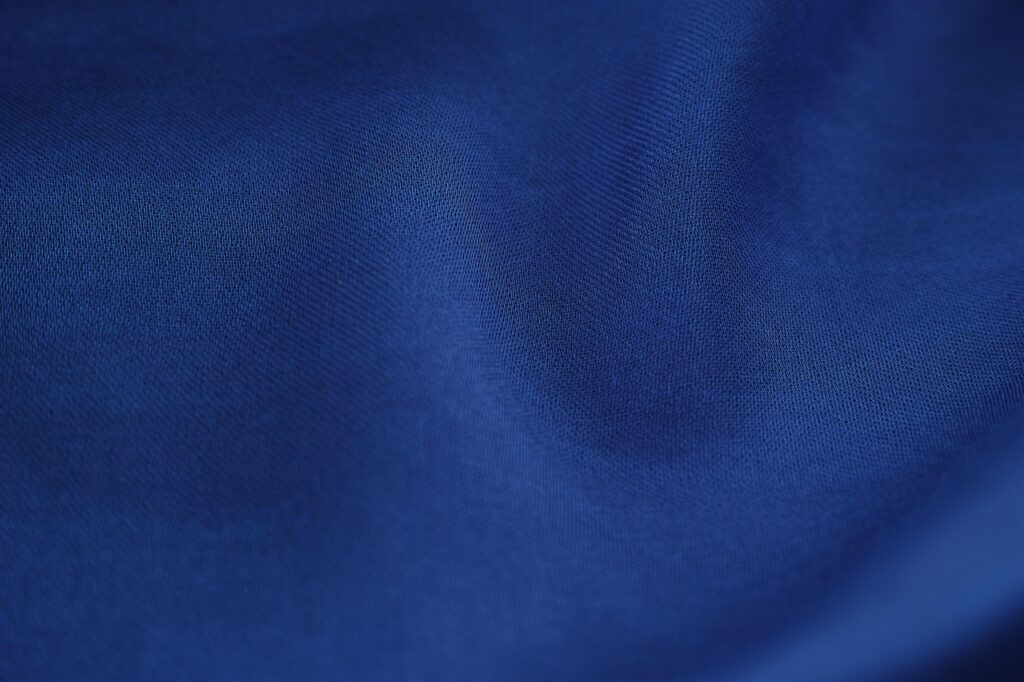
What Makes Satin Weave Look So Smooth?
When you source fabric for eveningwear, scarves, linings, bedding accents, or a premium packaging project, weaves affect more than many buyers first think. Satin weave is used because it gives a clear shine at first look, a soft hand feel, and a dressy surface without much extra decoration.
Long Floats That Reflect Light
The main point is the float. In satin construction, yarns go over several yarns before they lock in again, so there are fewer crossing points on the surface.
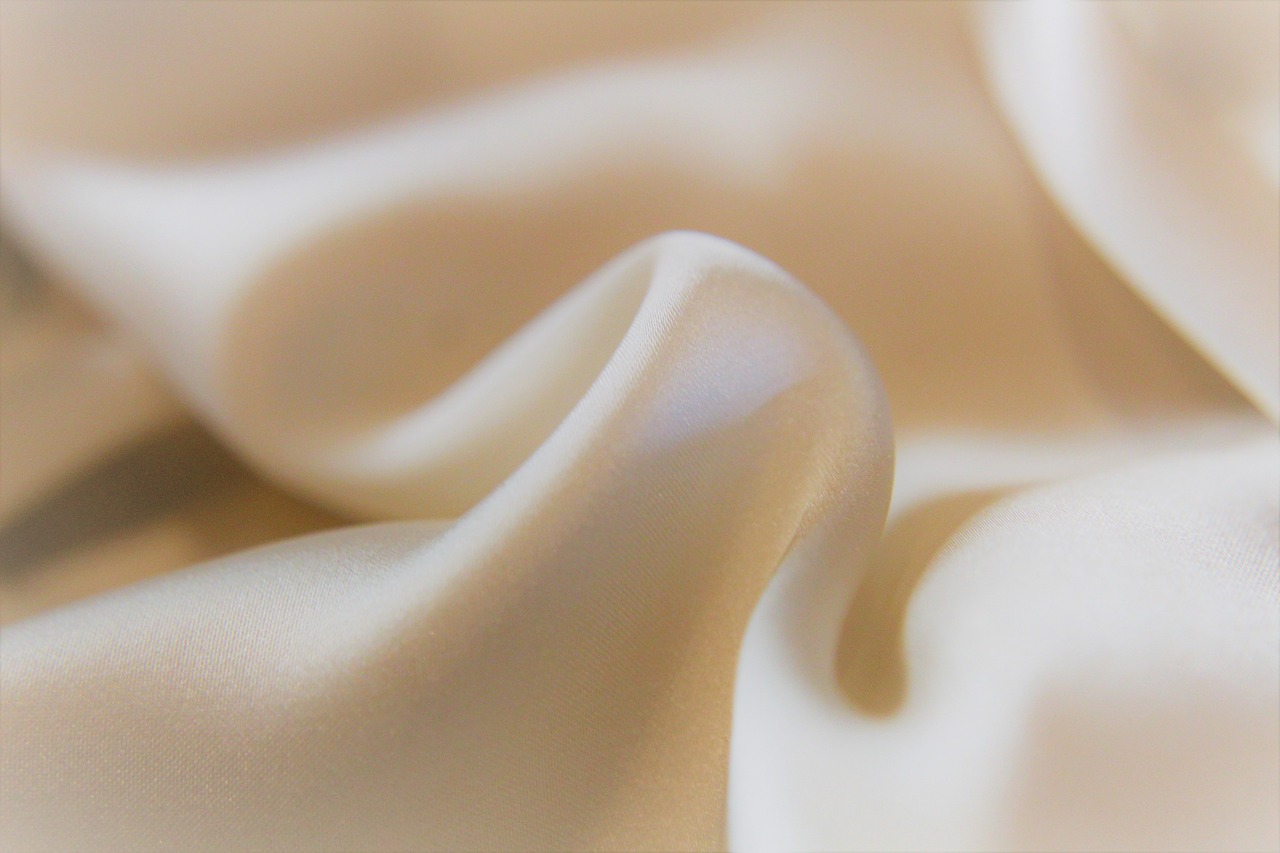
CAMEO, the materials database developed by the Museum of Fine Arts, Boston, describes satin weave as a basic weave with shiny luster on the front and a duller back, made by floating threads that reflect light well. (cameo.mfa.org)
Low Interlacing for Soft Drape
Fewer crossings make the cloth bend more easily. This is why satin often feels more fluid than plain weave, which has more regular over-under crossings.
CottonWorks Weaving 101 also notes that satin fabrics are known for smooth, lustrous surfaces and excellent drape because of the many long floats in the fabric design. (cottonworks.com)
Front Shine With a Duller Back
A satin face and a duller back are not quality problems. They come from the weave structure itself.
If the shine looks too strong under showroom lights, ask for sample photos under daylight and warm indoor light. A small color change can matter a lot on champagne, ivory, navy, and black satin.
How Is Satin Weave Made on the Loom?
Satin is not only a finish added after weaving. It comes from the way warp and filling yarns cross on the loom. Finishing can change the hand feel, but the shine starts with the structure. This matters when you compare prices from different mills.
Five Harness Construction as a Common Base
CottonWorks states that satin weaves are classified by the number of harnesses used, and the simplest and most common satin weave uses five harnesses. For many orders, a five-harness satin is a practical starting point.
It can give shine, drape, and a production cost that is still workable. That is why buyers often see it in apparel, lining, and home textile sampling. (cottonworks.com)
Warp Face and Filling Face Versions
Warp-face satin shows more warp yarns on the face. Filling-face satin, often called sateen in many markets, shows more filling yarns.
CottonWorks separates warp-face satin from filling-face satin and explains that the long floats run in different directions. For buyers, this changes the surface look, hand feel, and sometimes the way the fabric behaves in cutting. (cottonworks.com)
Counter Numbers and Scattered Tie Points
The tie points in satin should not line up like a twill diagonal. If they line up too clearly, the surface will not have the same clean satin look.
CottonWorks describes how a five-harness satin can use counter numbers such as 2 or 3 to place the next interlacing point away from the previous one. This spread-out layout helps create that calm, almost unbroken shine. (cottonworks.com)
Is Satin Weave the Same as Sateen?
The short answer is no, not every time. People use the terms loosely, especially in bedding and apparel sourcing. But in bulk buying, small wording can affect fiber, face direction, touch, cost, and what the buyer expects to receive.
Silk Satin and Non Silk Sateen
CottonWorks gives a useful trade distinction: satin fabrics are woven with silk yarns in a satin design, while sateen fabrics are woven in a satin design with fibers other than silk. This is a good rule to know when reading specs.
In daily sourcing, many sellers still call polyester satin simply satin. So the purchase order should name both fiber and construction, not just the common market name. (cottonworks.com)
Fiber Choice Changes the Hand Feel
A polyester satin can look bright and smooth at a price many brands can accept. Silk satin feels fuller and usually costs much more.
Cotton sateen has a softer look and is usually less glassy. Textile Exchange reported in its 2024 Materials Market Report that global fiber production reached 124 million tonnes in 2023, with polyester at 57% of total production, so it is no surprise that polyester satin is common in commercial supply chains. (textileexchange.org)
Buyer Language That Prevents Mix Ups
Good fabric notes do not need to be fancy. They should list fiber content, weave type, face direction, GSM, width, finish, color standard, and end use.
For example, polyester warp satin for dress lining is not the same thing as cotton sateen for bedding. The names sound close, but the fabric is used in a different way.
Where Does Satin Weave Work Best?
Satin weave works best when appearance and drape are high on the buyer’s list. It is not the first choice for heavy rubbing, rough handling, or contact with sharp trims. You can still use it in many products, but weight, finish, and packing need to match the end use.
Eveningwear and Occasion Pieces
CAMEO lists lingerie, neckties, blouses, and evening gowns among common uses for satin weave. These products need a smooth face and a clean fall more than workwear-level wear resistance.
A bridal sash, for example, needs clear shine from three meters away and a smooth touch at ten centimeters. That is where satin can do the job well if the fabric weight is right. (cameo.mfa.org)
Linings, Scarves, Neckties, and Blouses
For linings, satin helps garments slide on more easily. That small point can change how a jacket, skirt, or dress feels when the customer wears it. See also: Applications.
For scarves and neckties, the surface catches light and shows printed color clearly. Blouses made from lighter satin can look neat, but pale shades should be tested for opacity because some styles may need lining.
Home Textiles With a Clean Sheen
In home textiles, satin or sateen surfaces often suit pillowcases, duvet covers, decorative cushions, and hotel-style top fabrics. The clean sheen gives the product a more finished look without a heavy pattern.
For bedding, touch matters, but wash behavior matters just as much. A showroom sample that feels nice once can still fail if it pills, snags, or twists after repeated laundering.
What Are the Weak Points of Satin Weave?
Every weave has a trade-off. Plain weave is stable but not very glossy. Twill gives diagonal texture and often handles wear well. Satin gives shine and drape, but the long floats need care during cutting, sewing, washing, packing, and daily use.
Snagging and Picking Risks
Long floats can catch on rough nails, zippers, hook tape, jewelry, or even a damaged cutting table. This is one of the first points I would check before approving satin for mass production.
CAMEO notes that satin drapes well but snags easily, while CottonWorks flags picking and snagging as possible satin issues. That does not mean you should avoid satin; it means you should test it with the real trims and packing materials. (cameo.mfa.org)
Skew and Seam Slippage Concerns
CottonWorks also lists skew and seam slippage as possible problems in satin weave fabrics. These issues may not look serious on a small swatch, but they can show up after cutting and sewing.
In real production, you may see twisting panels, puckered seams, or weak seams near stress points. Garments with tight armholes, fitted hips, or narrow seam allowances need extra checking. (cottonworks.com)
Care and Packing Details That Matter
Use smooth cartons, clean polybags, and careful folding. Do not leave hard pressing lines across the glossy face for too long.
If the fabric is for apparel, test seam strength after washing or steaming. If it is for gift packaging, rub the surface with the actual insert, not only with a lab swatch.
How Should You Choose Satin Weave for Bulk Orders?
A nice satin sample can help sell a design quickly. Bulk orders need more checking. Look at the same fabric in several colors, confirm cutting direction, and compare fabric from the first meters and last meters of a roll.
Start With Fiber and End Use
Choose fiber based on the job. Polyester suits many price-sensitive projects and bright colors, while nylon can suit some technical or intimate apparel uses.
Silk suits luxury apparel, and cotton sateen suits bedding and soft home items. Textile Exchange data from 2024 shows polyester’s large global role, while cotton production was 24.4 million tonnes in 2023, down from 25.1 million tonnes in 2022. (textileexchange.org)
Check GSM, Float Length, and Color Depth
Ask for GSM tolerance, yarn count if available, width tolerance, colorfastness tests, and face-side marking rules. These details are basic, but they stop many problems before cutting starts.
Dark satin often shows abrasion more clearly than medium shades. White and ivory satin can show crease shadows, so sample review under the buyer’s real lighting is worth doing.
Request Samples Before Price Lock
World Bank WITS data shows the trade scale around textiles: United States textiles and clothing exports to the world were reported at about US$26.55 billion in 2023, based on WITS public trade data. That number gives a sense of the market size, but it does not answer fabric-level questions.
No reliable public dataset was found for global satin weave yardage by end use, so satin sourcing still depends on mill samples, lab tests, and clear order notes. Do not lock price only from a photo or a small hand swatch. (wits.worldbank.org)
- Ask for hanger samples and at least one meter for drape review.
- Test seam slippage on the planned stitch type.
- Check shade difference between rolls before cutting.
- Confirm the face side, packing method, and inspection standard.
FAQ
Q1: What Is Satin Weave? A: Satin weave is a woven structure that uses long floats to make a smooth, shiny face and a softer drape than many basic weaves.
Q2: Is Satin Weave Always Made From Silk? A: No. It can be made from silk, polyester, nylon, cotton, and other fibers. In many sourcing markets, non silk satin is still called satin, so the fiber content should be written clearly.
Q3: Does Satin Weave Snag Easily? A: It can. Long floats make the surface look good, but they also catch more easily on rough objects. Testing and careful packing help reduce this risk.
Q4: Is Sateen Better Than Satin? A: Not better, just different. Sateen usually refers to a filling-face satin-style fabric, often made from cotton or other non silk fibers. Choose by end use, not by name alone.
Q5: What Should You Check Before Ordering Satin Weave Fabric? A: Check fiber content, GSM, width, colorfastness, seam slippage, snagging risk, face-side direction, shade consistency, and the actual sample under the lighting your customer will use.