Herringbone twill fabric explained for textile design and sourcing
What herringbone twill fabric means
Herringbone twill fabric is a woven fabric in which the direction of the twill line reverses at regular intervals, forming a broken zigzag or V-shaped surface. The term refers to the weave structure, not to one fiber, weight, finish, or end use. A herringbone twill may be wool suiting, cotton shirting, linen blend décor fabric, polyester workwear, or a heavy upholstery textile. For designers, buyers, and textile developers, the key point is that the herringbone effect comes from the interlacing geometry. Fiber content and finishing still determine much of the final hand, strength, shrinkage, appearance, and care behavior.
In a standard twill, diagonal ribs run continuously in one direction. In herringbone, those ribs change direction and meet in repeated columns or bands. This reversal gives the cloth a visual rhythm that is more decorative than plain twill but usually quieter than printed patterns. That balance is one reason herringbone remains common in tailoring, coats, uniforms, home textiles, and textured shirting.
For more weave-related textile guides, see the Weaves section.
How the herringbone structure is built
A twill weave is made when each weft yarn passes over and under warp yarns in a stepped sequence. This step creates the familiar diagonal wale. Common base twills include 2/1, 2/2, 3/1, and 4/1 constructions, although the exact draft depends on the design, yarn count, loom setup, and fabric target.
Herringbone starts with a parent twill and reverses the direction of that twill after a set number of ends or picks. The zigzag is therefore not printed on the surface; it is woven into the cloth. The effect can be bold or subtle depending on the contrast between warp and weft yarns, the repeat scale, the fiber type, the yarn twist, and the finishing method.
Key construction variables
- Base twill: A 2/2 twill often gives a balanced appearance, while warp-faced or weft-faced twills can create stronger directional emphasis.
- Repeat width: A narrow repeat produces a fine fishbone effect; a wider repeat creates a bolder chevron-like movement.
- Yarn contrast: Similar warp and weft colors make the structure subtle. Contrasting yarns make the V pattern more visible.
- Fabric density: Higher sett and tighter finishing can sharpen the pattern, but they may also reduce softness or openness.
- Finishing: Brushing, milling, calendaring, washing, resin finishing, or softening can change how visible the twill line appears.
Because these variables interact, two fabrics can both be accurately described as herringbone twill while feeling very different in the hand. A brushed wool herringbone for outerwear, a compact cotton herringbone for workwear, and a lightweight linen blend herringbone for interiors are structurally related but commercially distinct.
Herringbone twill compared with similar weaves
Mislabeling is common because herringbone, chevron, broken twill, and ordinary twill all involve diagonal movement. The differences matter when specifying fabric, matching panels, estimating marker efficiency, or communicating with mills.
| Fabric or weave term | Main visual feature | Practical sourcing note |
|---|---|---|
| Plain twill | Diagonal lines continue in one direction | Good when a steady, less decorative texture is needed |
| Herringbone twill | Twill direction reverses to form broken V-shaped columns | Specify repeat scale, face side, and matching requirements |
| Chevron | Clear zigzag or V effect, often with a cleaner continuous point | Can overlap visually with herringbone; confirm by swatch or draft |
| Broken twill | Diagonal effect is interrupted or rearranged | Not every broken twill creates the classic fishbone appearance |
| Plain weave | Simple over-one-under-one interlacing | Usually flatter and less diagonal than herringbone twill |
The safest approach is to combine the structure name with a clear visual requirement. For example, a buyer might request “cotton herringbone twill, fine repeat, visible but low-contrast V pattern, garment-washed finish.” That is more useful than simply asking for “herringbone fabric.”
Performance depends on more than the pattern
Herringbone twill is often associated with durability, drape, and a refined textured appearance. However, the weave name alone does not prove any performance value. Tensile strength, abrasion resistance, pilling, dimensional stability, colorfastness, wrinkle behavior, and seam performance depend on fiber, yarn quality, construction density, finishing, and testing results.
The twill family generally creates more floats than plain weave, which can contribute to a smoother hand and a stronger diagonal texture. Herringbone adds visual balance by reversing that diagonal direction. In some fabrics, this can reduce the sense of one-way skew in appearance, but it should not be treated as a guarantee against fabric distortion. Shrinkage control, heat setting, sanforizing, compacting, and garment processing still matter.
What to check before selecting it
- Weight: GSM or ounces per square yard should match the application, not just the weave name.
- Fiber content: Wool, cotton, linen, polyester, viscose, and blends create very different performance profiles.
- Dimensional stability: Ask for shrinkage data after the relevant washing, dry-cleaning, or finishing process.
- Abrasion and pilling: Important for upholstery, trousers, coats, uniforms, and high-contact garments.
- Colorfastness: Needed for dark shades, uniforms, home textiles, and export programs.
- Pattern matching: Larger repeats may require more fabric consumption at cutting.
For commercial specifications, pair the weave description with measurable requirements. A phrase such as “herringbone twill fabric, 260 GSM, cotton-polyester blend, shrinkage within agreed tolerance after laundering” is more useful than a purely visual description.
Common applications in apparel and home textiles
Herringbone twill fabric is used when texture should be visible but not overly loud. In menswear and womenswear, it appears in suits, sport coats, trousers, skirts, overcoats, overshirts, and tailored separates. Wool and wool-blend herringbones are especially associated with classic tailoring because the pattern adds surface interest while remaining formal enough for structured garments.
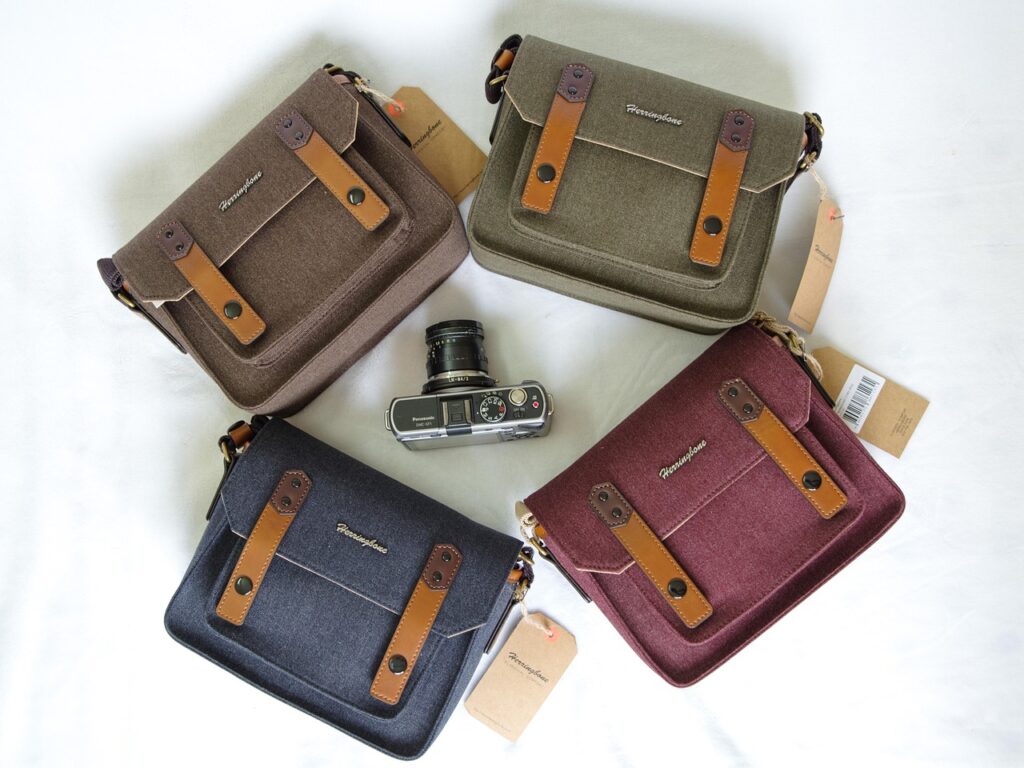
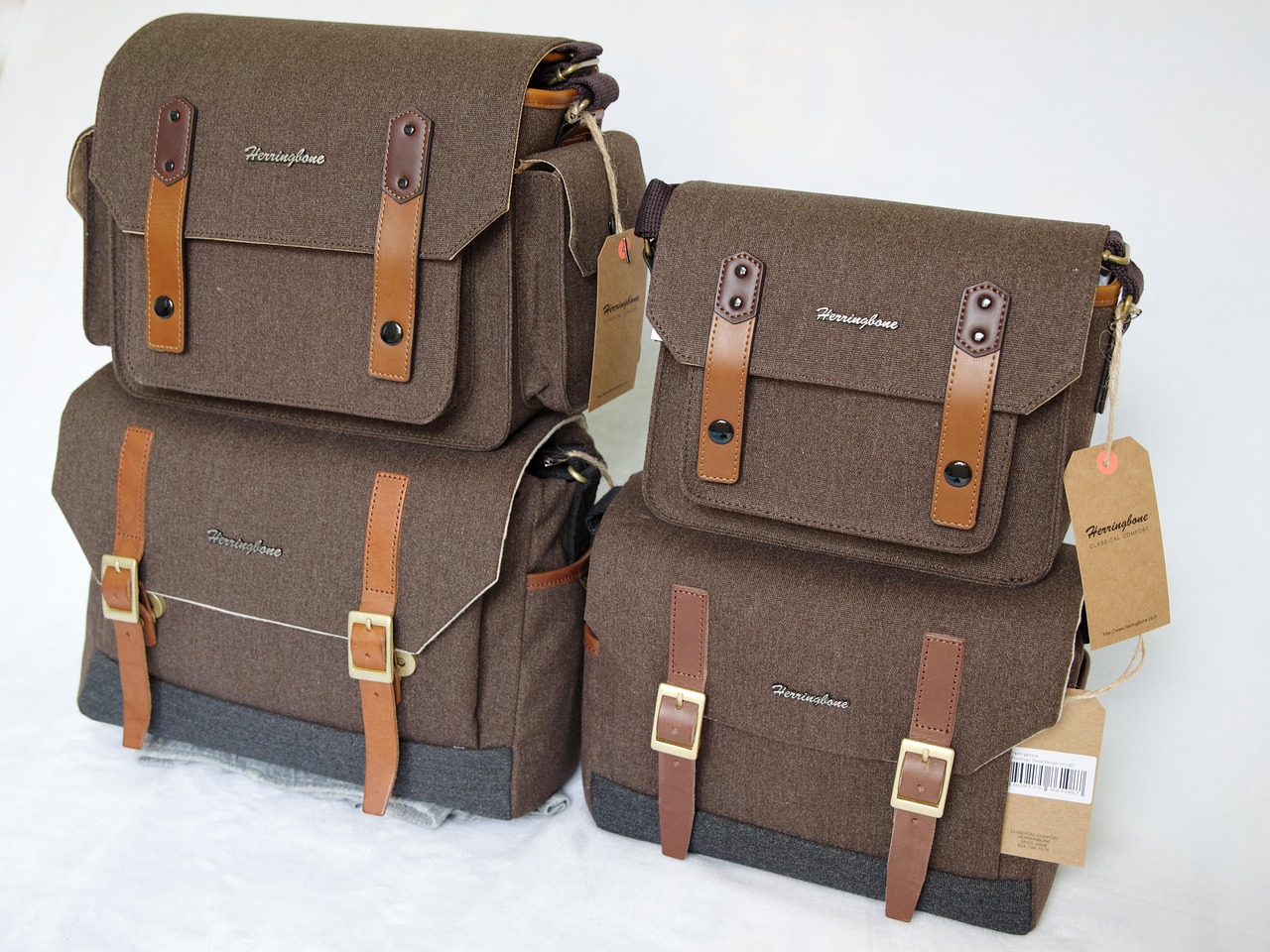
Cotton herringbone twill is common in casual shirts, chore coats, military-inspired garments, utility clothing, bags, aprons, and workwear-style pieces. Compared with a flat plain weave, it can give a more rugged or substantial appearance. In lighter weights, cotton or linen herringbone can also work for shirting and summer jackets, although final comfort depends on yarn count, density, and finishing.
In interiors, herringbone can be used for upholstery, curtains, cushions, blankets, table linens, and decorative panels. Interior textiles often rely on the pattern’s ability to add depth without the strong repeat of a printed motif. For upholstery, buyers should not rely on the weave name alone; abrasion, seam slippage, pilling, lightfastness, and cleaning compatibility are more important than appearance. See also: Applications.
Design and production considerations
The main design decision is the scale of the herringbone repeat. A fine repeat reads as texture from a distance and becomes visible up close. A wide repeat becomes a stronger design feature and may need careful placement on garments or panels. When the repeat is large, designers should consider how the V shape sits at center fronts, lapels, collars, pockets, cushions, seams, and hems.
Color also changes the effect. Low-contrast yarns create a refined tone-on-tone fabric. High-contrast yarns make the fishbone structure more graphic. Mélange yarns, heathered wool, slub yarns, and dyed yarn combinations can soften the geometry and make the fabric look more organic.
Cutting and sewing implications
- Decide whether the fabric has a clear face side and direction before marker planning.
- Keep garment panels consistent if the herringbone repeat is visually directional.
- Allow extra fabric if precise matching is required at prominent seams.
- Use suitable needle, thread, and seam construction for the fabric weight and fiber.
- Test pressing behavior, especially for wool, synthetic blends, and resin-finished cottons.
Some fine herringbones can be cut almost like solid fabric. Larger, higher-contrast versions behave more like directional patterns. This is not a quality problem; it is a planning issue.
How to specify herringbone twill fabric clearly
A complete fabric request should describe both the structure and the performance target. The more specific the request, the easier it is for a mill, converter, trader, or development team to match expectations.
- State the end use: suiting, shirting, upholstery, uniform, bag, outerwear, or home textile.
- Define fiber and blend: for example, 100% cotton, wool-polyester blend, linen-cotton blend, or recycled polyester blend.
- Give weight and width: include GSM or ounces, finished width, and tolerance if known.
- Describe the repeat: fine, medium, or bold herringbone; if possible, provide a physical swatch or technical draft.
- Specify color method: yarn-dyed, piece-dyed, mélange, heather, printed over herringbone, or undyed natural.
- List finishing needs: brushed, washed, softened, water-repellent, flame-retardant, anti-shrink, or easy-care, only where relevant.
- Require test data: shrinkage, colorfastness, abrasion, pilling, and other end-use tests should be agreed before bulk production.
This level of detail helps prevent a common sourcing problem: approving a fabric that looks correct in a small swatch but fails in garment making, upholstery use, or laundering.
Frequently asked questions
Is herringbone twill fabric always wool?
No. Wool herringbone is well known in tailoring, but herringbone twill can be made from cotton, linen, polyester, viscose, silk, recycled fibers, and many blends. The weave creates the V-shaped pattern; the fiber determines much of the hand, warmth, care, and cost.
Is herringbone stronger than regular twill?
Not automatically. A herringbone structure may look substantial, but strength depends on yarn, density, fiber quality, finishing, and test performance. A heavy cotton herringbone may be very durable, while a lightweight decorative herringbone may be designed mainly for appearance.
What is the difference between herringbone and chevron?
Both can show a V-shaped effect. In common textile usage, herringbone is a broken or reversed twill with a fishbone-like texture, while chevron often describes a cleaner zigzag appearance. Because trade usage varies, swatches and construction details are more reliable than names alone.
Can herringbone twill be used for summer clothing?
Yes, if the fabric is made in a suitable fiber, yarn count, and weight. Lightweight cotton, linen, or breathable blends can be used for warm-weather garments. Heavy wool or dense cotton herringbone is better suited to cooler weather or structured products.
Does herringbone fabric need pattern matching?
Fine, low-contrast herringbone may need little matching. Larger or high-contrast repeats should be treated more carefully, especially on center fronts, lapels, pockets, panels, and upholstery seams.
Bottom line
Herringbone twill fabric is best understood as a twill-based woven structure with a planned direction reversal. Its value lies in controlled texture: more visual interest than plain twill, but often more restrained than printed or highly patterned fabrics. For sourcing and product development, the weave name is only the starting point. The final decision should consider fiber, weight, repeat scale, finish, testing, cutting behavior, and end use.