PP geotextile applications and selection factors for civil engineering projects
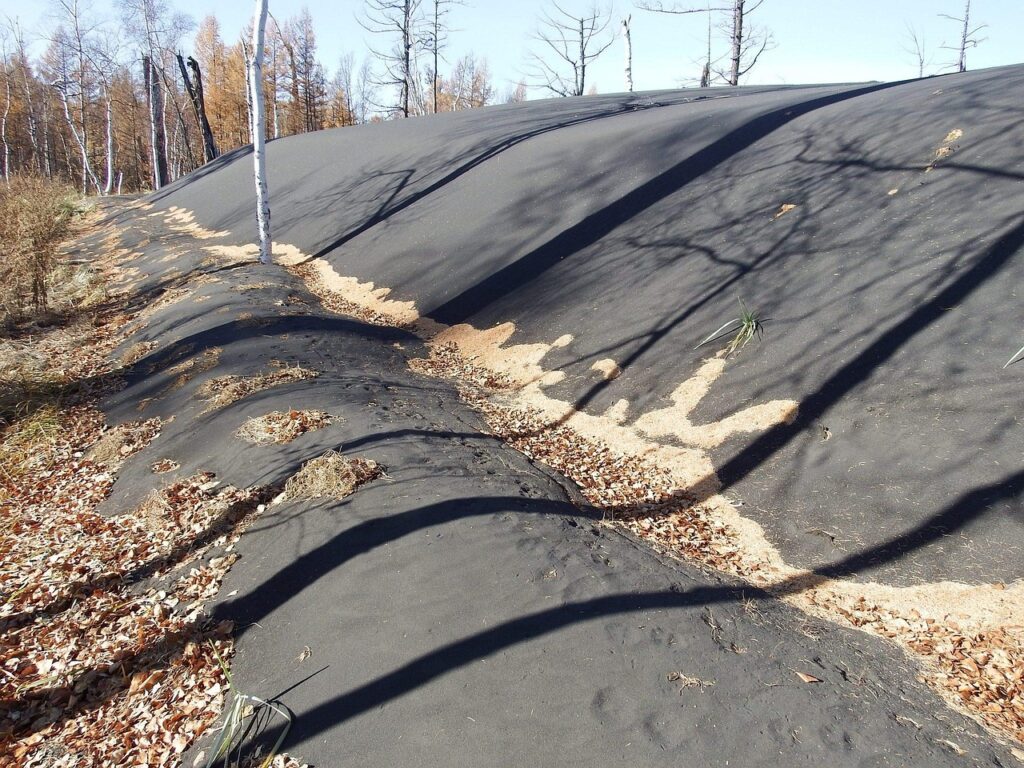
PP geotextile, short for polypropylene geotextile, is a permeable synthetic textile used with soil, aggregate, rock, and other geotechnical materials. In civil engineering, it is selected because it can perform one or more functions in the same system: separation, filtration, drainage, reinforcement, stabilization, cushioning, and erosion control. The correct product depends on site conditions, soil gradation, hydraulic demand, installation stress, exposure time, and the governing project specification, not on a product label alone.
Public agency specifications commonly evaluate geotextiles through recognized ASTM test methods and AASHTO M 288-type survivability and property requirements. For buyers, designers, and contractors, the practical starting point is to understand the application first, then compare verified properties such as tensile strength, puncture resistance, apparent opening size, and permittivity.
For more textile application topics, visit the Applications section.
What is PP geotextile?
PP geotextile is made from polypropylene fibers, filaments, tapes, or yarns that are formed into a textile structure for geotechnical use. Polypropylene is widely used because it is lightweight, resistant to many chemicals found in soil environments, and suitable for both woven and nonwoven geotextiles. In practice, the term does not describe one fixed fabric. It covers different constructions with different tensile strength, elongation, pore size, permittivity, puncture resistance, and installation survivability.
The main civil engineering functions are related, but they are not the same. Separation keeps aggregate and subgrade soil from mixing. Filtration allows water to pass while retaining soil particles. Drainage moves water within or through the geotextile system. Reinforcement and stabilization improve mechanical performance through interaction with soil or aggregate. Protection reduces localized stress on a geomembrane or another barrier layer. Many projects require more than one function, which is why a PP geotextile should be selected by performance requirements rather than by appearance or weight alone.
Woven and nonwoven PP geotextiles are not interchangeable
The first selection question is often whether the project needs woven or nonwoven PP geotextile. Both can be made from polypropylene, but their structures create different field behavior.
Woven PP geotextile
Woven PP geotextile is produced by interlacing yarns, slit tapes, or monofilaments. It often provides higher tensile strength at lower elongation, which makes it useful in stabilization, reinforcement, and separation applications where aggregate confinement and load distribution are important. Road bases, working platforms, haul roads, and embankment support are typical examples. Some monofilament woven geotextiles are also used for filtration when hydraulic performance and soil retention criteria are properly matched.
Nonwoven PP geotextile
Nonwoven PP geotextile is generally made from fibers bonded mechanically, thermally, or chemically. Needle-punched nonwovens are common in filtration, drainage, separation, cushioning, and geomembrane protection. Compared with many woven structures, nonwovens usually have higher elongation and a more three-dimensional pore network, which can be useful where the fabric must conform to irregular surfaces or allow cross-plane water flow.
Why the distinction matters
Using a woven product where a drainage layer is required may restrict flow if the apparent opening size, permittivity, and clogging risk are not suitable. Using a nonwoven product where high tensile reinforcement is required may fail to meet the mechanical demand. The decision should start with the design function, then move to test values and survivability requirements. Weight per unit area can help identify a product, but it should not replace engineering properties such as grab tensile strength, puncture resistance, apparent opening size, and permittivity.
Main applications in civil engineering
PP geotextile is used in transportation, water management, environmental containment, coastal works, landscaping, and construction access projects. The applications below show why the same material family can appear in very different specifications.
Roadway separation and subgrade stabilization
In road construction, a geotextile placed between weak subgrade soil and aggregate base can reduce contamination of the aggregate layer. Without separation, fine soil can pump upward into the base under traffic and water, while aggregate can sink into the subgrade. This can reduce effective base thickness, limit drainage, contribute to rutting, and increase maintenance needs. A PP geotextile helps maintain the designed layer structure, especially where soft or wet subgrade soils are present.
For stabilization, the geotextile must also survive installation and interact with aggregate under load. Specifications may require minimum tensile, seam, tear, and puncture properties. In severe installation conditions, stronger survivability classes are typically required because the fabric is exposed to stress from equipment, aggregate placement, angular stone, and uneven subgrade support.
Subsurface drainage and filtration
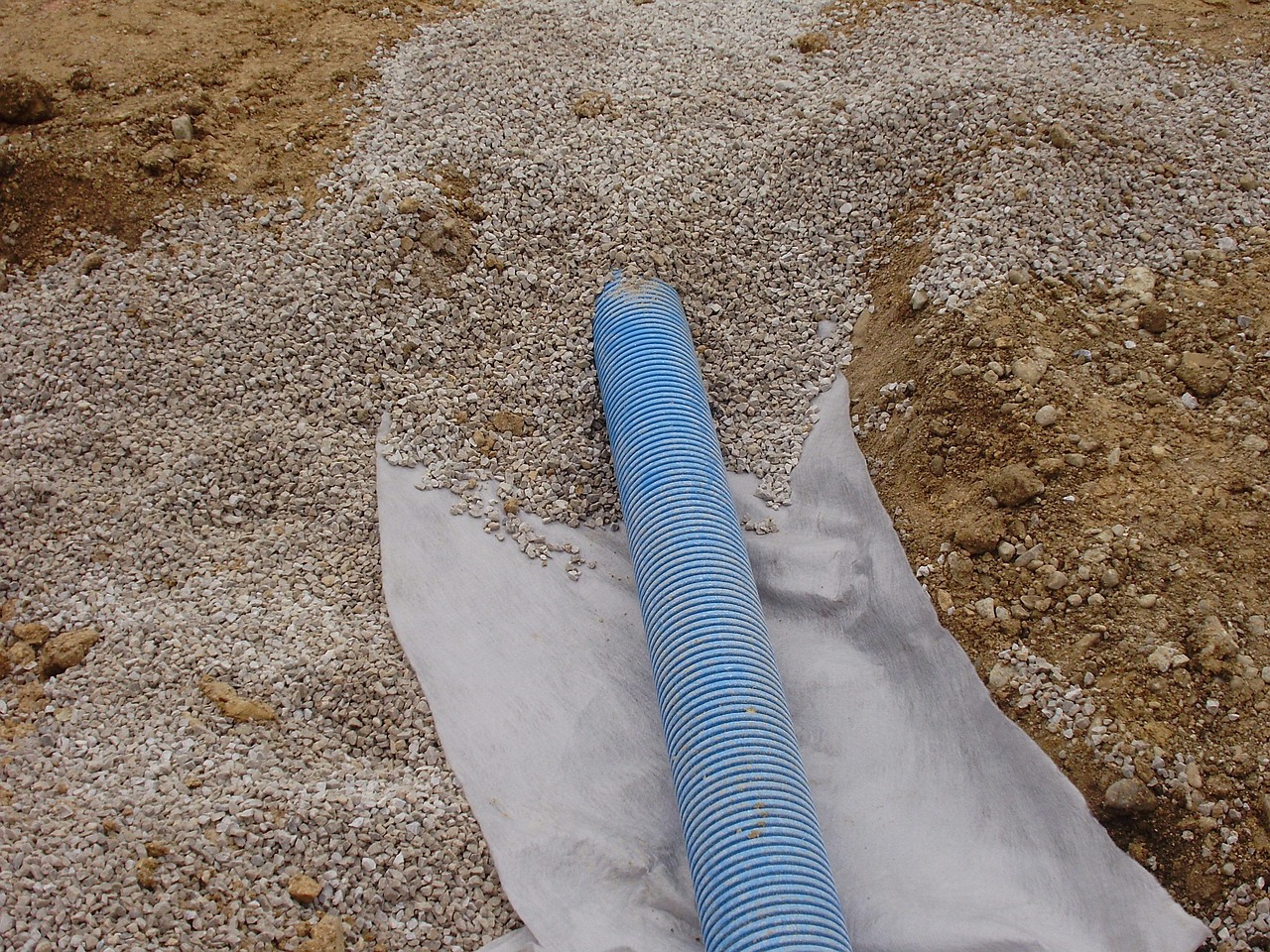
Drainage applications use PP geotextile around trench drains, underdrains, drainage blankets, retaining wall drains, and other systems where water must pass while soil is retained. Two properties are especially important. Apparent opening size is related to soil retention, while permittivity is related to cross-plane water flow. If the openings are too large, soil may migrate through the fabric. If the openings are too small, the fabric may clog or restrict flow under site conditions.
Public transportation specifications commonly reference ASTM D4751 for apparent opening size and ASTM D4491 for water permittivity. These tests do not replace project design, but they provide a consistent way to compare products. Soil gradation, hydraulic gradient, flow direction, compaction, and long-term clogging potential should all be reviewed before a drainage geotextile is approved.
Erosion control and riprap bedding
Under riprap, revetments, channels, and shore protection, PP geotextile can act as a filter layer between soil and rock. Its role is to reduce soil loss caused by moving water while allowing pressure relief and drainage. The geotextile must withstand stone placement and should be covered promptly to limit ultraviolet exposure and mechanical damage.
In this application, the designer must balance retention and permeability. If the fabric retains soil but does not allow adequate water movement, pore pressure can build behind the system. If it allows too much soil movement, erosion can continue beneath the armor layer. For critical hydraulic structures, geotextile selection is usually coordinated with filter design rules, stone gradation, and site-specific flow conditions.
Geomembrane protection and landfill works
Nonwoven PP geotextile is often used as a cushioning or protection layer above or below geomembranes in containment systems, ponds, reservoirs, landfill cells, and wastewater facilities. The purpose is to reduce puncture risk from aggregate, subgrade irregularities, or overlying drainage layers. In these applications, puncture resistance, mass per unit area, thickness under load, and installation survivability can be more important than tensile strength alone. See also: Coatings.
Protection design should consider the type of geomembrane, expected normal stress, angularity of adjacent material, and construction method. A heavier nonwoven may provide better cushioning, but final selection should still be based on verified project criteria rather than weight alone.
Temporary works and construction access
PP geotextiles are also used in temporary access roads, staging areas, sediment control systems, and construction drainage. Temporary does not mean low-risk. Short-term installations may face intense equipment loads, wet weather, rough aggregate placement, and exposed storage. UV resistance and installation damage are still relevant, even when the geotextile will not remain exposed in the finished structure.
Specification factors that matter more than fabric weight
Many purchasing discussions begin with grams per square meter or ounces per square yard. Those values are convenient, but they do not fully define performance. A stronger comparison uses the properties that correspond to the intended function.
| Selection factor | Why it matters | Common reference method or concept |
|---|---|---|
| Grab tensile strength | Indicates resistance to handling, placement, and installation stresses | ASTM D4632 is commonly referenced |
| Puncture resistance | Helps evaluate survivability against aggregate, stones, and construction damage | CBR puncture or project-specified puncture tests |
| Apparent opening size | Relates to soil retention and filtration behavior | ASTM D4751 is commonly referenced |
| Permittivity | Measures cross-plane water flow under defined test conditions | ASTM D4491 is commonly referenced |
| UV resistance | Shows retained strength after laboratory exposure and helps manage uncovered exposure time | ASTM D4355 is commonly referenced |
| Seam strength | Important when panels are sewn and load must transfer across seams | Specified as a percentage or minimum strength |
Project specifications often use minimum average roll values, commonly called MARV, for many geotextile properties. This approach helps avoid judging compliance by a single unusually high test result. It also reminds buyers to read datasheets carefully: average values, typical values, and minimum average roll values are not the same thing.
How standards and public specifications guide selection
In North America, AASHTO M 288 is frequently used as a reference for geotextiles in highway applications. It classifies requirements by application and installation survivability, including separation, stabilization, subsurface drainage, erosion control, and related uses. Public agency specifications from state transportation departments often reference ASTM methods for tensile, puncture, opening size, permittivity, and ultraviolet resistance. These documents are useful because they connect fabric properties to the construction environment rather than treating geotextile as a generic textile.
However, a standard specification should not be treated as a universal design answer. Site-specific design may require different values for soil retention, water flow, survivability, chemical exposure, seam strength, or long-term durability. For example, a lightly loaded landscape drainage layer and a heavily trafficked temporary access road may both use polypropylene geotextile, but the selection logic is different. The first may be controlled by filtration and clogging risk; the second may be controlled by tensile strength, puncture resistance, and installation survivability.
For international projects, local standards and owner specifications may differ in terminology, test method editions, units, and acceptance procedures. Designers and procurement teams should confirm which document controls the project, which test methods are accepted, and whether the stated values are required as minimums, maximums, or typical properties.
Common selection mistakes to avoid
- Selecting by weight only. Fabric weight does not automatically prove filtration, drainage, tensile strength, or puncture performance.
- Ignoring soil gradation. Filtration performance depends on the relationship between soil particle size, opening size, and hydraulic conditions.
- Using the wrong structure. Woven and nonwoven PP geotextiles may look similar to non-specialists, but they can behave very differently in the field.
- Overlooking installation survivability. Damage during aggregate placement can reduce performance before the project is even in service.
- Leaving material exposed too long. Polypropylene can be affected by ultraviolet exposure, so storage and cover timing should follow the project specification.
- Assuming one datasheet fits all applications. The same product may be suitable for one function and unsuitable for another if the governing criteria change.
A practical selection workflow is to define the primary function first, identify secondary functions, check site conditions, review the controlling specification, and then compare verified test values. If a product is being substituted, the comparison should be property-by-property and should include installation conditions, not just nominal grade or mass.
Frequently asked questions
Is PP geotextile waterproof?
No. Geotextile is generally permeable and is designed to let water pass under controlled conditions. If a waterproof barrier is required, a geomembrane or another barrier system is usually used, often with geotextile as a protective layer.
Which is better, woven or nonwoven PP geotextile?
Neither is automatically better. Woven PP geotextile is often chosen for separation, stabilization, and reinforcement where tensile performance is important. Nonwoven PP geotextile is often chosen for filtration, drainage, cushioning, and protection where permeability and conformability matter. The correct choice depends on the application and specification.
Can PP geotextile be used under gravel?
Yes. It is commonly used under gravel in roads, access paths, drainage layers, and landscape systems. The fabric helps separate gravel from subgrade soil and can support drainage when the correct filtration properties are selected.
Does PP geotextile degrade in sunlight?
Polypropylene geotextile can lose strength with prolonged ultraviolet exposure. Specifications often include UV resistance requirements and exposure limits. In most buried applications, the fabric should be covered as soon as practical after installation.
What should be checked before ordering PP geotextile?
Check the intended function, soil gradation, hydraulic requirements, installation conditions, required test methods, minimum property values, roll dimensions, seam requirements, and the controlling project specification. For engineered works, selection should be reviewed by the responsible designer or project engineer.
Conclusion
PP geotextile is a versatile civil engineering material, but its performance depends on matching the fabric structure and tested properties to the job. Woven products often serve strength-driven stabilization and separation roles, while nonwoven products are widely used for filtration, drainage, cushioning, and protection. The most reliable selection process starts with the engineering function, then verifies properties such as tensile strength, puncture resistance, apparent opening size, permittivity, UV resistance, and seam performance. For project planning, procurement, and technical comparison, standards-based values and public specification language provide a stronger basis than product weight or generic descriptions alone.