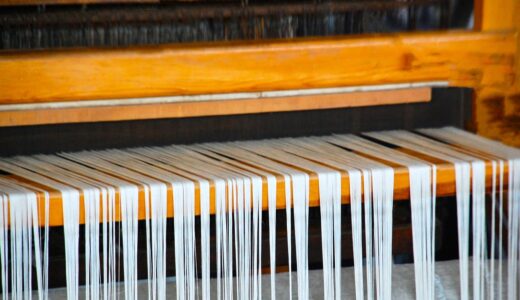
Satin woven fabric explained for shine, drape and durability
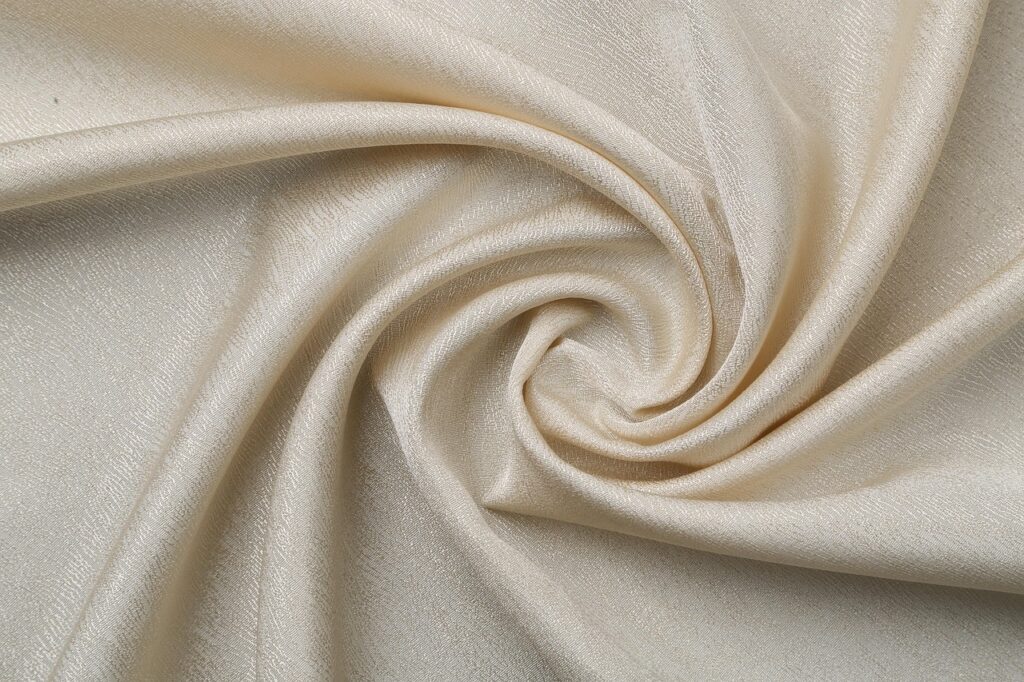
What satin woven fabric is
Satin woven fabric is defined by its structure, not by a specific fiber. In a satin weave, yarns float over several yarns in the opposite direction before binding again. This creates a smoother, more reflective surface than plain weave. Satin can therefore be made from silk, polyester, nylon, acetate, rayon, cotton blends or other yarns and still be correctly described as satin woven. The structure gives the fabric its main advantages: shine, softness, elegant drape and a polished appearance. It also creates practical limits. Long floats can snag, abrade or show surface damage more easily than tighter interlacings. For more textile structure guides, see the Weaves section.
How the satin weave structure works
In a woven fabric, warp yarns run lengthwise and weft yarns run crosswise. Plain weave interlaces them in a simple over-one, under-one sequence. Twill moves the interlacing points to form diagonal lines. Satin weave spaces the interlacing points farther apart, so they are less visible on the face of the cloth.
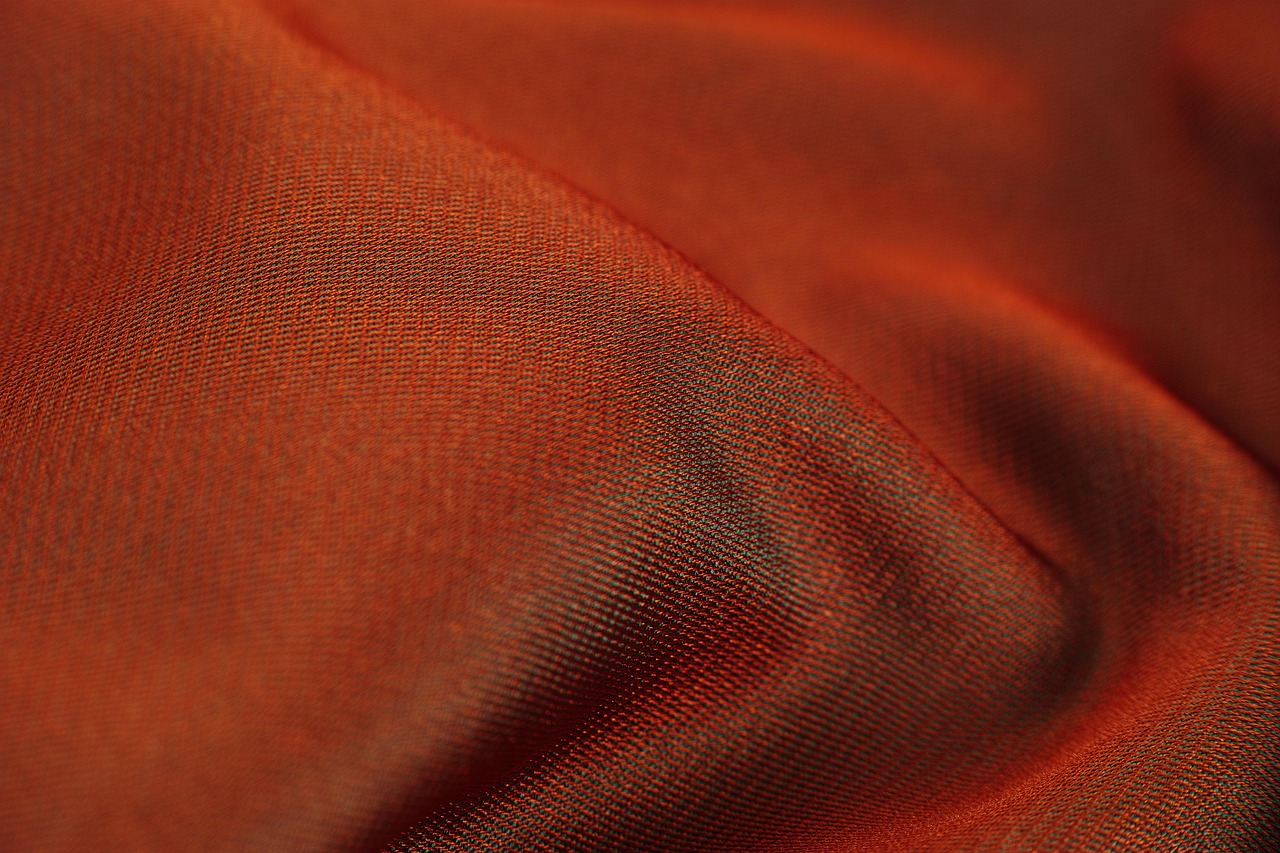
A common satin construction uses a repeat of five or more yarns. In a five-end satin, for example, one yarn may float across four yarns in the opposite system before binding at the next point. Larger repeats can create longer floats and a smoother surface, but they also increase the need to manage snagging, abrasion and fabric stability.
The key factor is float length. A float is the section of yarn that passes over or under several yarns before it is locked into the structure. More float on the face means fewer interruptions to light reflection, which produces satin’s recognizable sheen. Fewer intersections also help the cloth bend and drape more fluidly.
Why satin looks shiny
Satin looks shiny because the face contains relatively long, uninterrupted yarn surfaces. When yarns are closely packed and well aligned, light reflects from the surface more evenly. Fiber choice still matters: filament yarns such as silk or polyester generally create a brighter, smoother face than many spun yarns. Even so, the weave is the foundation of the satin effect.
Why satin has a different back face
Many satin fabrics have a bright face and a duller back because the long floats are concentrated on one side. The reverse side shows more binding points or more of the opposite yarn system. This face-to-back contrast is useful in garment design, linings and decorative textiles. It also means face identification, cutting direction and fabric orientation need attention during production.
Satin, sateen and silk satin are not the same thing
The terms satin and sateen are often confused because both use satin-type float structures. In industry usage, satin is commonly associated with a warp-faced structure, while sateen is commonly associated with a weft-faced structure, especially in cotton bedding and apparel fabrics. This distinction is useful, but commercial labels are not always consistent.
Silk satin is a satin weave made with silk yarns. Polyester satin is a satin weave made with polyester yarns. Cotton sateen is typically a cotton fabric using a satin-style structure with weft floats. The word satin should not automatically be read as silk, luxury, heavy weight or high durability. It describes how yarns interlace first; fiber, yarn size, density and finishing determine the final hand and performance.
| Term | What it usually describes | Common buyer check |
|---|---|---|
| Satin | A smooth, lustrous satin weave, often warp-faced | Confirm fiber content, weight and face direction |
| Sateen | A satin-style fabric often associated with cotton and weft floats | Confirm whether the fabric is for bedding, apparel or upholstery |
| Silk satin | Satin weave made with silk yarns | Confirm silk type, momme or weight, and finishing |
| Polyester satin | Satin weave made with polyester filament or spun yarns | Confirm GSM, drape, colorfastness and heat sensitivity |
Performance advantages of satin woven fabrics
Satin woven fabrics are selected when appearance and hand feel are important. Their smooth face can make colors look rich, prints appear crisp and solid shades look polished. The fabric can also move elegantly because fewer interlacings reduce stiffness, especially when filament yarns and fine counts are used.
- Luster: Long floats help reflect light in a continuous way, giving satin its glossy surface.
- Smooth hand: The face has fewer interlacing points, so it often feels soft against the skin.
- Drape: Satin can fall fluidly, making it suitable for eveningwear, blouses, linings and decorative panels.
- Color depth: A smooth surface can make dyed or printed color look more saturated, although the result depends on fiber and finishing.
- Elegant contrast: The difference between the face and back can support design details such as revers, trims and panels.
These advantages explain why satin structures are common in apparel, accessories, interior decoration and bedding. Still, satin should be specified as a construction, not treated as a complete performance description.
Limitations to consider before choosing satin
The same long floats that create luster can reduce resistance to rough use. A float is more exposed than a tightly interlaced yarn, so it can catch on jewelry, zippers, Velcro, rough surfaces or sharp packaging edges. Once a float is pulled, the surface may show a snag, line or distortion that is difficult to hide.
Abrasion is another concern. Areas such as elbows, seat surfaces, bag contact points and upholstery corners can wear faster if the satin is fine, loosely constructed or made with delicate yarns. Some satin fabrics may also show seam slippage if yarns shift under stress. This is not true for every satin fabric, but it is a common risk that should be tested against the intended end use.
When satin may not be the best choice
Satin may be less suitable for workwear, heavy-duty upholstery, children’s rough-use garments or products that need frequent abrasive laundering. In those applications, plain weave, twill, canvas, dobby or engineered blends may offer better surface stability. If a satin appearance is still required, designers can consider heavier yarns, tighter density, protective finishes or satin accents rather than full satin construction.
Care and handling implications
During cutting, sewing and care, satin should be handled with attention to surface direction. Needles, feed dogs, pins and pressing equipment can mark delicate satin faces. For cleaning and finishing, brushing or mechanical action should follow the float direction where possible. Lower abrasion, separated washing loads and reduced friction help preserve the surface.
How satin compares with plain weave and twill
Choosing a weave is a design decision, not only an aesthetic decision. Plain weave, twill and satin each manage yarn intersections differently, which changes appearance, hand feel and durability. See also: Applications.
| Weave type | Basic structure | Typical visual effect | Practical strength | Common limitation |
|---|---|---|---|---|
| Plain weave | Frequent over-one, under-one interlacing | Simple, balanced, less glossy | Stable and versatile | Can feel firmer or less fluid |
| Twill weave | Interlacings shift to form diagonal ribs | Diagonal texture, good body | Often strong and abrasion tolerant | May not deliver a smooth glossy face |
| Satin weave | Interlacings are spaced apart with longer floats | Smooth, lustrous, fluid | Excellent for drape and sheen | More prone to snagging and surface wear |
This comparison shows why satin is useful but not universal. If the main goal is a luxury appearance, smooth touch or fluid movement, satin may be the right structure. If the main goal is rugged stability, a shorter-float weave may perform better.
Common uses in apparel, home textiles and decorative fabrics
Satin woven fabrics appear in many product categories because the structure can be adapted through fiber, yarn, density and finishing. Lightweight satin may be used for linings, scarves, sleepwear and blouses. Medium-weight satin can work for dresses, bridalwear, neckties, ribbons and decorative panels. Heavier satin constructions may be used for drapery, upholstery accents or theatrical textiles when the specification supports the required durability.
In bedding, the term sateen is more common, especially for cotton sheets. The smooth surface and soft hand appeal to consumers who prefer a silkier feel than percale. In fashion, satin is often chosen for visual impact under light. In accessories, it can provide color intensity and a refined surface in smaller areas where abrasion is easier to manage.
End use should always guide the specification. A satin lining does not need the same abrasion resistance as a chair fabric. A bridal satin does not need the same laundering tolerance as hotel bedding. A printed polyester satin for event décor may prioritize color and drape more than long-term wear.
What to specify when sourcing satin woven fabric
Because satin describes the weave rather than the whole fabric, a clear specification should include more than the word satin. This helps avoid confusion between a lightweight lining satin, a cotton sateen, a stretch satin and a heavier decorative satin.
- Fiber content: State whether the fabric is silk, polyester, nylon, acetate, rayon, cotton, a blend or another fiber system.
- Face direction: Confirm whether the fabric is warp-faced, weft-faced or marketed as sateen.
- Weight and width: Include GSM or another accepted weight measure, plus finished usable width.
- Yarn type: Note filament or spun yarn, yarn count and any stretch component when relevant.
- Construction: If known, identify five-end, eight-end or another satin repeat, along with density requirements.
- Finish: Specify calendering, softening, anti-static, water-repellent, peach, dull or high-luster finish if required.
- Testing: Match tests to end use, including colorfastness, abrasion, seam slippage, dimensional stability and pilling where relevant.
- Packaging and handling: Request roll protection if the face is easily marked or snagged.
This checklist gives buyers and designers a more reliable way to compare satin fabrics. Two materials can both be called satin while performing very differently in sewing, wear, washing and visual effect.
Frequently asked questions
Is satin woven or knitted?
Traditional satin is woven. It is made by interlacing warp and weft yarns in a satin structure. Some knit fabrics may be finished to look shiny or may be described commercially as satin-like, but satin weave itself is a woven construction.
Is satin always made of silk?
No. Satin can be made from silk, polyester, nylon, acetate, rayon, cotton blends and other fibers. Silk satin is only one type. The word satin describes the weave structure and surface effect, not a guaranteed fiber content.
What is the difference between satin and sateen?
Satin is commonly associated with a warp-faced satin structure and filament yarns, while sateen is commonly associated with weft-faced cotton fabrics. In practice, product labels may vary, so buyers should confirm the face direction, fiber content and intended use.
Is satin durable?
Satin can be durable enough for many uses, especially when made with strong yarns and a suitable density. However, the long floats that create shine can snag or abrade more easily than shorter-float weaves. Durability depends on the full specification, not the weave name alone.
Why does satin show snags so easily?
Satin has exposed float yarns on the surface. When those floats catch on a rough or sharp object, they can pull out of alignment and leave a visible mark. Careful handling, suitable end-use selection and proper testing reduce this risk.