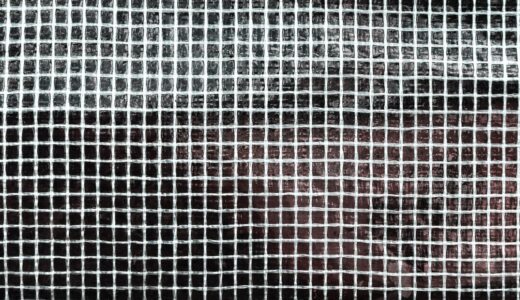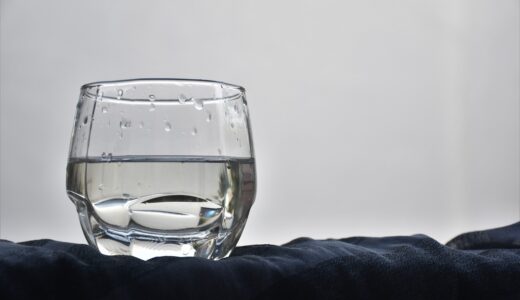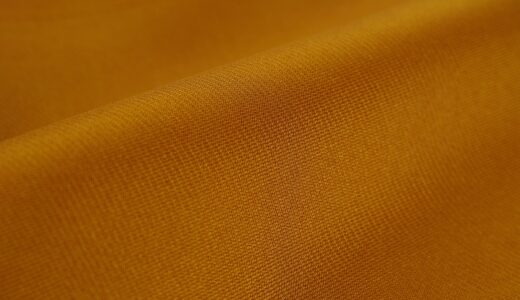
600D polyester with polyurethane coating explained for bags, covers and outdoor gear

What 600D polyester with polyurethane coating means
600D polyester with polyurethane coating is a medium-to-heavyweight woven polyester fabric with a polyurethane layer applied to one side, usually the back. The 600D designation refers to the approximate yarn size. The PU coating adds water resistance, body, fray control and a smoother inner surface. This construction is widely used for backpacks, luggage panels, tool bags, pet carriers, protective covers and outdoor accessories because it offers a practical balance of durability, cost and sewing performance.
For buyers, the important point is that 600D polyester with polyurethane coating is a useful material description, not a complete specification. Final performance depends on yarn quality, weave density, coating weight, coating formula, finishing, seam construction and the test methods used to verify the fabric.
How 600D, polyester and PU coating work together
600D describes yarn size, not the whole fabric
Denier is a yarn linear-density measurement based on grams per 9,000 meters of filament. A 600D yarn is heavier than a 300D yarn of the same fiber type, but denier alone does not determine fabric strength. Two 600D fabrics can perform very differently if one uses higher-tenacity yarn, a tighter weave, a different Oxford construction or a heavier coating. A sourcing sheet should therefore not stop at the words 600D polyester PU coated.
Polyester provides strength and dimensional stability
Polyester is commonly selected for bags and covers because it resists stretching, absorbs relatively little moisture compared with many natural fibers, and offers a favorable cost-to-performance ratio. In a coated fabric, the polyester base cloth acts as the mechanical skeleton. Tensile strength, tear behavior, abrasion resistance and seam holding are influenced by the yarn, weave and finishing before the coating is even considered.
Polyurethane creates the functional coating layer
The PU layer is normally applied to the back side of the woven polyester. It can reduce air and water passage, add stiffness or body, stabilize the weave, and improve resistance to light rain or splash. PU coatings are often chosen when a softer hand and easier sewing are preferred over the stiffer, heavier feel associated with many PVC-coated fabrics. However, PU does not automatically make the finished product waterproof. Stitching holes, unsealed seams, zippers, binding and wear points can all become leakage paths.
Performance properties buyers should evaluate
A practical evaluation of 600D polyester with polyurethane coating should separate the base fabric, coating and finished item. The table below summarizes common performance checks. The standards listed are examples used in the textile industry; buyers should confirm the exact edition, laboratory method and acceptance level for each project.
| Property | Why it matters | Common reference method |
|---|---|---|
| Hydrostatic pressure | Shows resistance to water penetration through the fabric panel under pressure. | AATCC TM127 or ISO 811 |
| Spray rating | Indicates how the face side sheds surface water after a water-repellent finish. | AATCC TM22 or similar spray tests |
| Abrasion resistance | Helps predict wear from floors, luggage belts, straps, rough surfaces and handling. | ASTM D3884, ASTM D4966 or buyer-specific methods |
| Tensile strength | Measures resistance to pulling forces in warp and weft directions. | ASTM D5034 or equivalent tensile methods |
| Tear strength | Shows how the fabric resists propagation once a cut or puncture starts. | ASTM D1424 or related tear methods |
| Coating adhesion | Checks whether the PU layer remains bonded during use, flexing and aging. | Peel or adhesion tests specified by the buyer |
| Colorfastness | Important for rubbing, light exposure, perspiration and contact with other materials. | AATCC or ISO colorfastness methods |
For more background on coated textile structures and finishing choices, see the Coatings section.
Water resistance is not the same as waterproof construction
A common mistake is to describe 600D polyester with PU coating as waterproof without defining the level and test condition. A coated fabric panel may resist water in a hydrostatic pressure test, while a sewn backpack or cover may still leak through needle holes or seams. This distinction matters for product claims, packaging copy and quality control.
If the finished product must protect contents from rain, the specification should state the hydrostatic pressure target, the test method, whether the fabric is tested before or after abrasion or aging, and how seams are handled. Seam sealing, seam binding, seam placement, flap design and zipper selection can be as important as the coating itself. A school backpack may only need resistance to occasional rain, while a motorcycle cover or marine cover may require a higher barrier, stronger UV resistance and better seam protection.
Surface water repellency should also be separated from backside coating performance. A face-side durable water repellent finish helps droplets bead and roll off, while the PU back coating provides a barrier against penetration. Water repellency can decline with abrasion, dirt and laundering. If a product depends on beading performance, buyers should define requirements after rubbing, cleaning or weathering rather than relying only on a new-fabric result.
PU coating compared with PVC and uncoated 600D polyester
PU coating is not the only option for 600D polyester. The right choice depends on the finished product, cost target, hand feel, expected exposure and compliance requirements.
| Fabric option | Typical advantage | Main limitation | Common use direction |
|---|---|---|---|
| Uncoated 600D polyester | More breathable and flexible; lighter than many coated versions. | Limited water barrier and less dimensional support. | Linings, indoor organizers and non-weather-exposed panels. |
| 600D polyester with PU coating | Balanced water resistance, hand feel, sewability and weight. | Performance depends strongly on coating weight, formulation and aging resistance. | Backpacks, luggage, soft cases, covers and outdoor accessories. |
| 600D polyester with PVC coating | Often provides a heavier barrier and easier wipe-clean surface. | Can feel stiffer and heavier; compliance requirements must be reviewed carefully. | Heavy-duty covers, tarpaulin-style goods and utility products. |
| PU-coated polyester with added water-repellent finish | Improves surface beading while retaining PU backing benefits. | Water-repellent finishes can wear down and may have chemical restrictions. | Rain-exposed bags, outdoor covers and travel goods. |
For many soft goods, PU-coated 600D polyester sits in the middle: more protective than uncoated fabric, usually softer and lighter than many PVC options, and easier to specify for general bags and covers. For heavy industrial covers, long-term outdoor exposure or contact with oils and chemicals, buyers should not assume that standard PU-coated 600D is sufficient without application testing.
Typical applications and realistic limits
600D polyester with polyurethane coating is commonly used where fabric must resist daily handling but still be cut, sewn and folded efficiently. Typical applications include backpacks, duffel bags, luggage side panels, tool cases, storage bins, pet carriers, stroller accessories, camping organizers, chair bags, light-duty equipment covers and promotional bags. In these products, the material offers a useful balance of structure, abrasion resistance and moderate water protection.
The fabric also has clear limits. It is not automatically suitable for continuous standing water, high-pressure rain, medical barriers, food-contact surfaces, flame-resistant products, electrical insulation, inflatable products or chemical-protective equipment. Those categories require separate standards, specialized coatings, certified testing and a finished-product risk review. If the application involves prolonged sunlight, heat, humidity or repeated folding, accelerated aging and flex testing should be part of qualification. See also: Applications.
PU coatings can be affected by hydrolysis, especially in warm and humid storage or use environments. This may appear as tackiness, peeling, odor, whitening or loss of coating integrity. Better formulations and controlled storage can reduce the risk, but no generic material name can replace aging data for the actual fabric lot and application.
Specification checklist before sourcing
A clear specification helps prevent misunderstandings between buyers, mills, converters and sewing factories. Instead of requesting only 600D polyester with PU coating, define the measurable details that affect performance and cost.
- Fiber content, yarn denier and whether the yarn is virgin, recycled, filament or textured.
- Weave construction, fabric density and finished width.
- Finished fabric weight in grams per square meter or ounces per square yard.
- Coating type, side, color, coating weight and whether it is single or multiple pass.
- Hydrostatic pressure target and exact test method.
- Face-side water-repellent finish, if required, with spray rating and durability requirements.
- Abrasion, tensile, tear and seam-strength targets relevant to the end product.
- Colorfastness requirements for rubbing, light exposure and migration.
- Chemical compliance requirements such as buyer RSL, ZDHC MRSL alignment, PFAS position, REACH, CPSIA, OEKO-TEX or other market-specific programs where applicable.
- Packaging, roll length, shade control, inspection level and allowed defects.
Chemical requirements need particular attention because coating formulas, water-repellent finishes, pigments and auxiliaries may introduce restricted substances. For goods sold in regulated markets, compliance should be checked at both the material and finished-product level. Restrictions on fluorinated water-repellent chemistry continue to evolve in several markets, so buyers should confirm current rules instead of relying on old finish descriptions.
Quality risks to watch during production
Several problems can appear even when the starting fabric looks acceptable. Pinholes in the coating can reduce water resistance. Uneven coating thickness can create shade or stiffness differences across the roll. Poor adhesion may lead to peeling after folding, sewing or aging. Excessive stiffness can cause needle cutting or poor seam appearance, while an overly soft coating may not provide the required body.
Color variation is another common issue, especially for dark shades or multi-lot programs. Because coatings can change the back-side color and affect the visual depth of the face, lab dips and bulk approvals should be evaluated under agreed lighting. If the fabric will later be printed, laminated or foam-backed, compatibility testing should be completed before bulk cutting.
Finished-product testing is also important. A fabric roll may meet abrasion and water-resistance targets, but the sewn product can fail at seams, handles, corners or load points. For bags, product-level checks may include seam slippage, handle pull, zipper stress, corner abrasion and drop testing. For covers, wind loading, edge reinforcement, UV exposure and fit can be more important than the fabric panel alone.
Frequently asked questions
Is 600D polyester with polyurethane coating waterproof?
It can be water resistant, and some constructions can reach meaningful hydrostatic pressure values. It should not be called waterproof unless the test method, performance target and finished-product construction support that claim. Seams, zippers and stitching holes often determine whether the final item leaks.
Is PU coating better than PVC coating?
PU is often preferred when buyers want a softer, lighter and more sewable fabric. PVC is often chosen when a heavier, more wipe-clean barrier is needed. Neither is universally better. The right choice depends on the product, expected exposure, required hand feel, cost and chemical compliance requirements.
Does a higher denier always mean a stronger fabric?
No. Higher denier can indicate a heavier yarn, but strength also depends on yarn quality, weave density, finishing, coating, tear behavior and test direction. A well-engineered 600D fabric can outperform a poorly constructed fabric with a higher denier label.
What should a buyer ask for on a technical data sheet?
At minimum, request fiber content, construction, finished weight, coating type and weight, width, hydrostatic pressure, abrasion, tensile strength, tear strength, colorfastness, coating adhesion and chemical compliance statements. For critical applications, test the finished product, not only the fabric roll.
Can 600D PU-coated polyester be used outdoors?
Yes. It is used in many outdoor accessories and covers, but outdoor suitability depends on UV resistance, water-resistance level, coating aging, colorfastness and seam design. For long-term outdoor exposure, request weathering data and confirm performance after abrasion, flexing and aging.