
Is Ripstop Nylon Fabric the Best Choice for Outdoor Gear and Technical Bags?
Ripstop nylon fabric uses a reinforced grid and light nylon yarns, so it is often used for outdoor gear, bags, covers, and other technical textile products.

Ripstop nylon fabric uses a reinforced grid and light nylon yarns, so it is often used for outdoor gear, bags, covers, and other technical textile products.
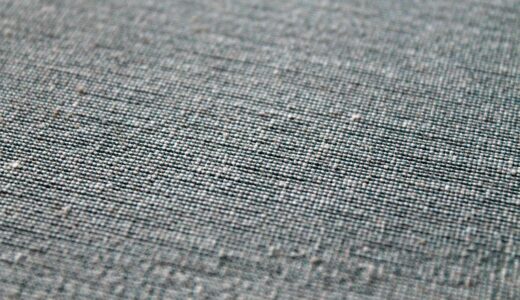
A buyer-side guide to fabric weaving types for apparel, home textile, uniform, and export orders. Compare plain weave, twill, satin, sateen, dobby, and jacquard with practical checks before bulk production.

Plain woven textile is still a reliable choice for shirts, home goods, linings, bags, and many technical base fabrics. This guide covers the weave structure, fiber options, sourcing checks, and market data buyers should…
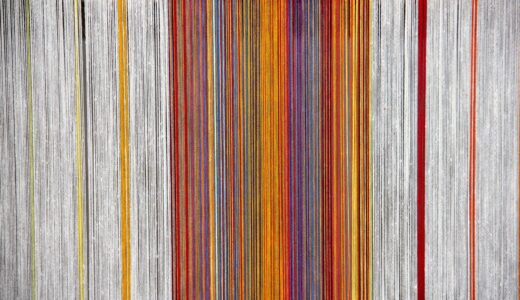
Twill weave is a common woven structure with diagonal ribs, stable drape, and solid wear resistance. This guide looks at how buyers can choose twill fabric for apparel, workwear, uniforms, and home textiles.

A hands-on sourcing guide for choosing ripstop fabric by the yard by fiber, weight, finish, testing, and real end use for bags, apparel, covers, and outdoor gear.

Ripstop nylon is a light woven fabric with a grid yarn structure that helps control tearing. This guide looks at denier, finish, test data, and sourcing points for real textile orders.
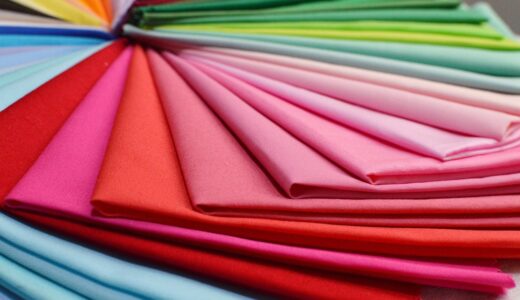
Ripstop cloth uses a reinforced woven grid to slow down tears while keeping the fabric light enough for outdoor gear, workwear, bags, and other textile orders.

Ripstop material is a reinforced woven fabric used to slow tear spread without adding too much weight. This guide looks at fibers, tests, finishes, product use, and sourcing checks for textile buyers.
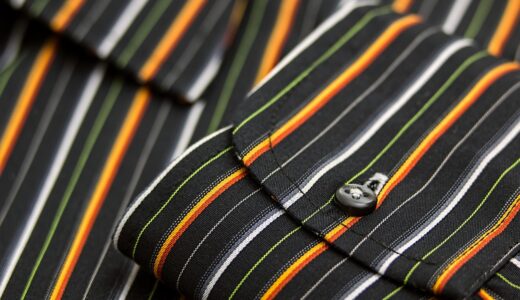
A practical buyer’s guide to ripstop fabric, with notes on weave structure, fiber choice, testing, coatings, and sourcing checks for durable textile orders.
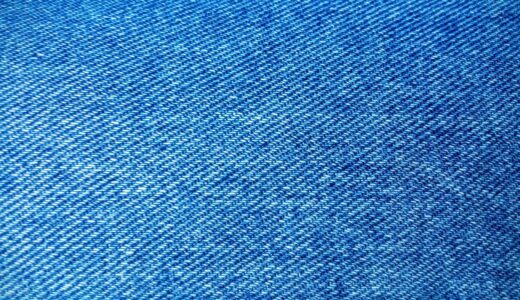
Plain, twill, and satin are the three basic weave structures used in most woven fabrics. This article looks at how each one affects hand feel, strength, drape, cost, and daily sourcing decisions.